 Free shipping on orders over £29,85
  Shipping Tracking!


 Google
 Facebook
← Back to How do you apply liquid resin on plastic?
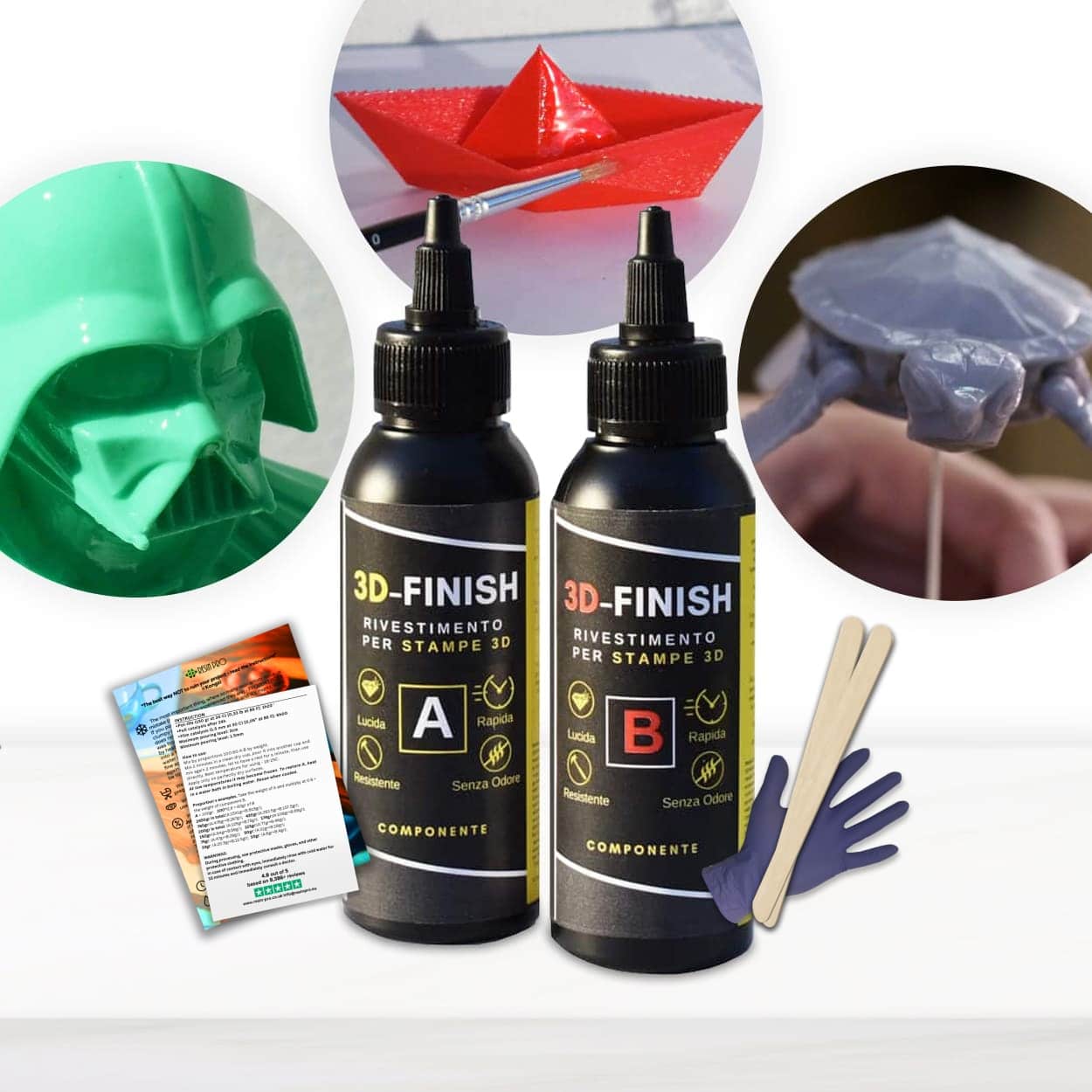
If your resin is failing to bond to plastic, it is typically a sign of surface contamination or inadequate preparation. Proper cleaning and preparation are essential for creating a reliable adhesive bond between liquid resin and plastic surfaces.
Surface Cleanliness: The Key to Good Adhesion
Dust, oils, or remnants of release agents left on plastic surfaces can compromise resin sticking performance. Always begin by thoroughly cleaning your plastic parts. A suitable cleaner such as a technical degreaser or high-purity isopropyl alcohol helps to remove grease, silicone residues, and fine particles. Once cleaned, try to handle the surface only while wearing gloves to avoid introducing new contaminants.
Surface Preparation: Maximising Resin Grip
Some plastics, especially those with glossy or highly polished finishes, may benefit from gentle abrasion. Lightly sanding the plastic with fine-grit sandpaper creates subtle surface roughness to improve mechanical grip for the resin coating. Make sure to remove sanding dust before applying resin. For projects needing a seamless and smooth finish on 3D printed parts, try a dedicated product such as “3D Finish” Fast Coating Epoxy Resin formulated for excellent plastic adhesion.
When This Matters Most
Proper surface cleaning and preparation are crucial for projects where durability, appearance, and a smooth finish are priorities—such as in 3D print finishing, bonding, or functional repairs. Skipping these steps can result in weak bonds, uneven coating, or peeling resin, especially when coating plastics like PLA or ABS.
Related products
Related guides
Careful preparation is the foundation for strong resin-to-plastic bonds. For more tips and step-by-step instructions, see our main guide on how to apply liquid resin on plastic.