 Free shipping on orders over £29,85
  Shipping Tracking!


 Google
 Facebook
← Back to how to make resin sculptures
Deciding between epoxy and polyurethane resin is a key step when making resin sculptures. Each resin type offers different strengths, curing behaviours, and ideal uses, so choosing wisely will help you achieve the desired result for your artwork.
Epoxy Resin for Thick, Clear Castings
Epoxy resin is favoured for sculptural projects where clarity and thickness matter most. Its slower curing time allows for larger or deeper pours, giving air bubbles time to rise and escape, resulting in a remarkable transparent finish. If your goal is to create a large, solid piece or a sculpture that highlights colour clarity and depth, an epoxy such as EpoxyTable 5-Five is a good choice. Epoxy is ideal for items up to around 5cm thick, offering good UV stability and a durable end result.
Polyurethane Resin for Fine Detail and Fast Results
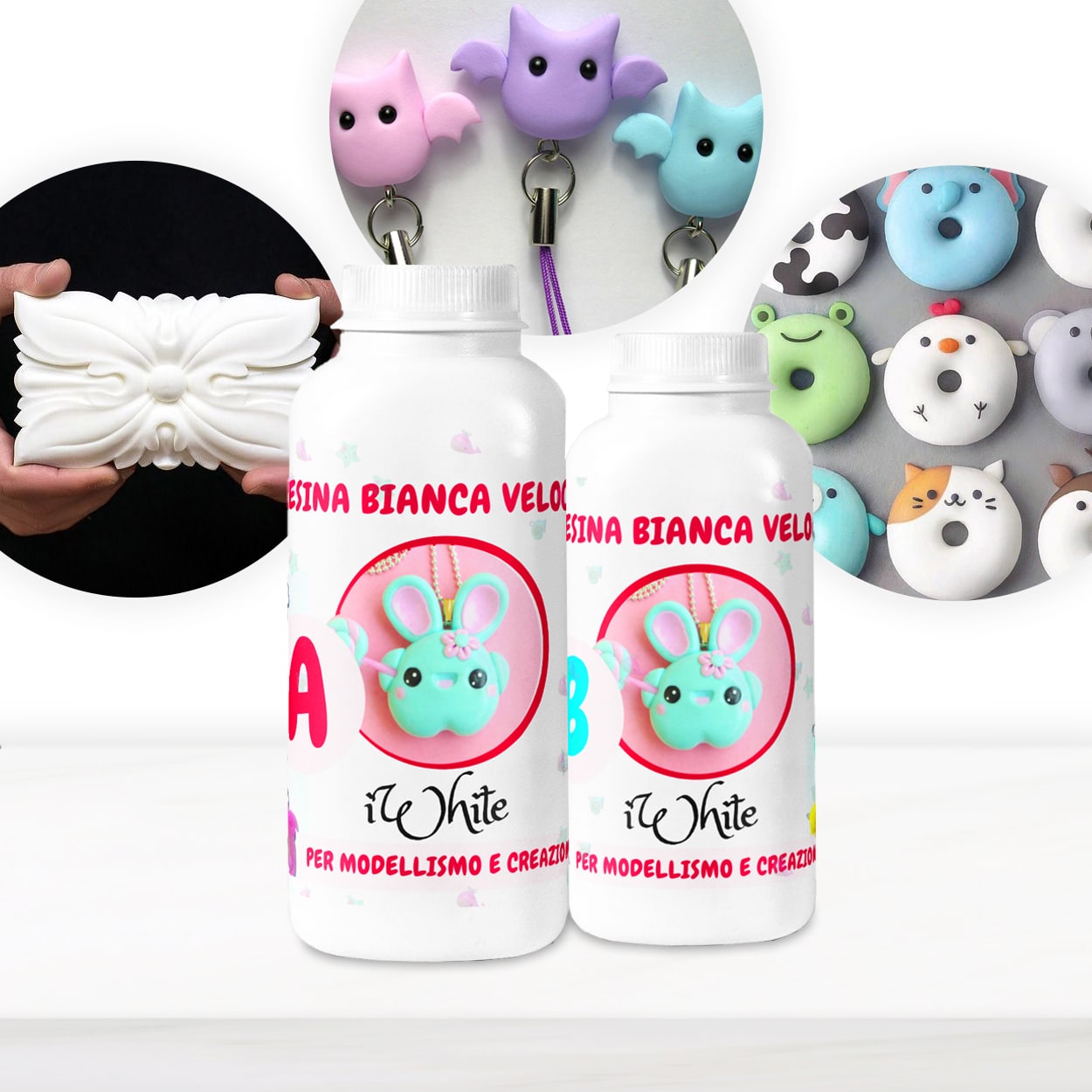
Polyurethane resin is known for its rapid curing properties and ability to accurately capture fine details. It’s typically used for smaller sculptures, models, and rapid prototyping. Polyurethane like “IWhite” flows easily into moulds and sets quickly—often within 30 minutes—making it particularly well suited for intricate work or when fast demoulding is needed. These resins are also colourable and can be painted once cured, giving flexibility for creators who want to finish or decorate their pieces.
When This Matters: Project Size and Finish
- Choose epoxy for large, thick sculptures with a clear or coloured finish.
- Choose polyurethane for smaller, more detailed works or when rapid turnaround is required.
Both types should be poured into a suitable silicone mould, such as those made with Pure Mould silicone rubber, for best results.
Related products
Related guides
Picking the right resin for your sculpture casting depends on the size, finish, and detailing you want. For more in-depth advice and step-by-step guidance, explore our main guide on how to make resin sculptures.