 Free shipping on orders over £29,85
  Shipping Tracking!


 Google
 Facebook
how to make resin sculptures
Step-by-step process for creative and durable resin sculptures
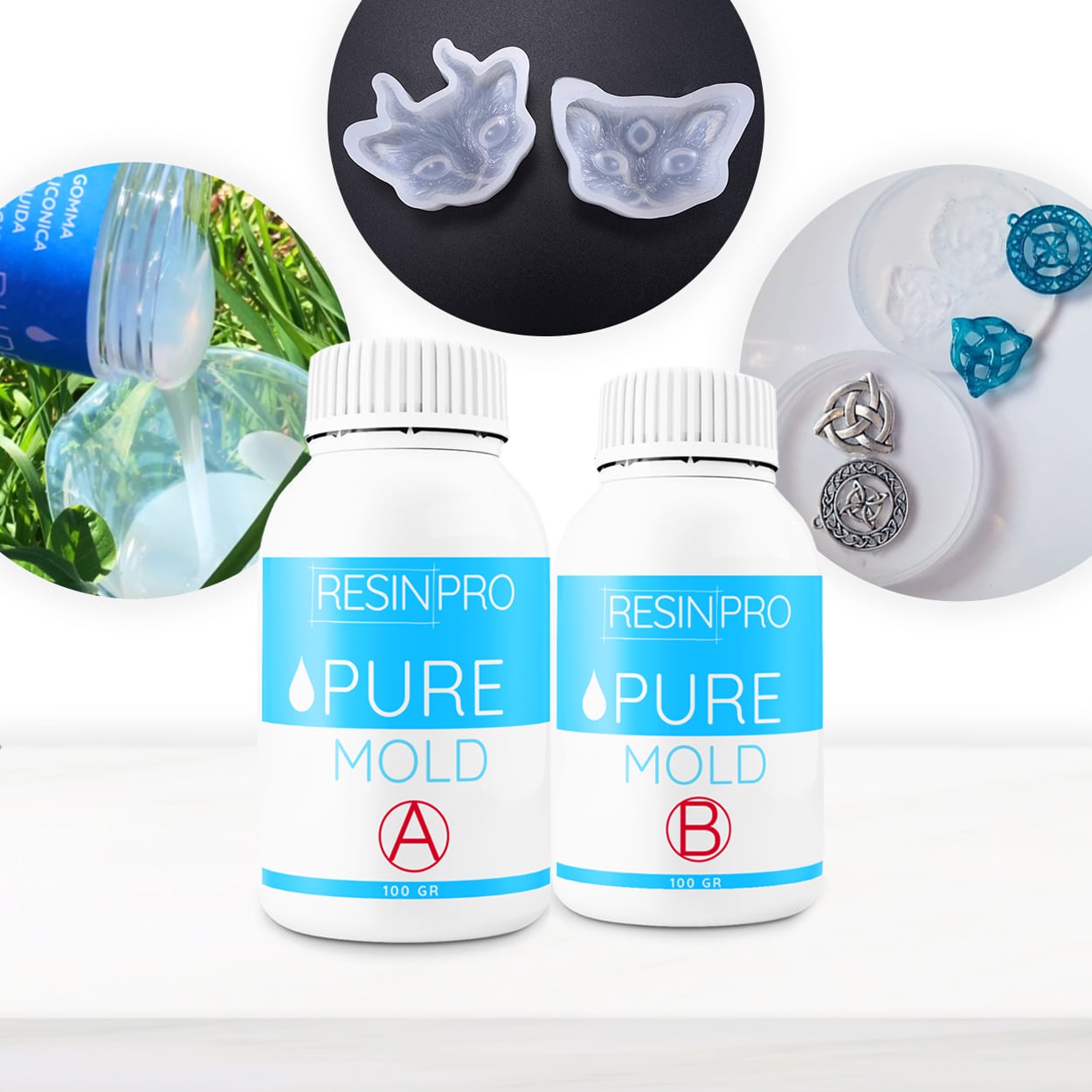

Resin sculpture making lets you combine creativity and technical skill to create unique art pieces, figures, or functional forms. Whether you’re an artist or enthusiast, this guide covers every stage of the process, including how to set up, which materials to use, essential safety tips, and common mistakes to avoid.
What You’ll Need
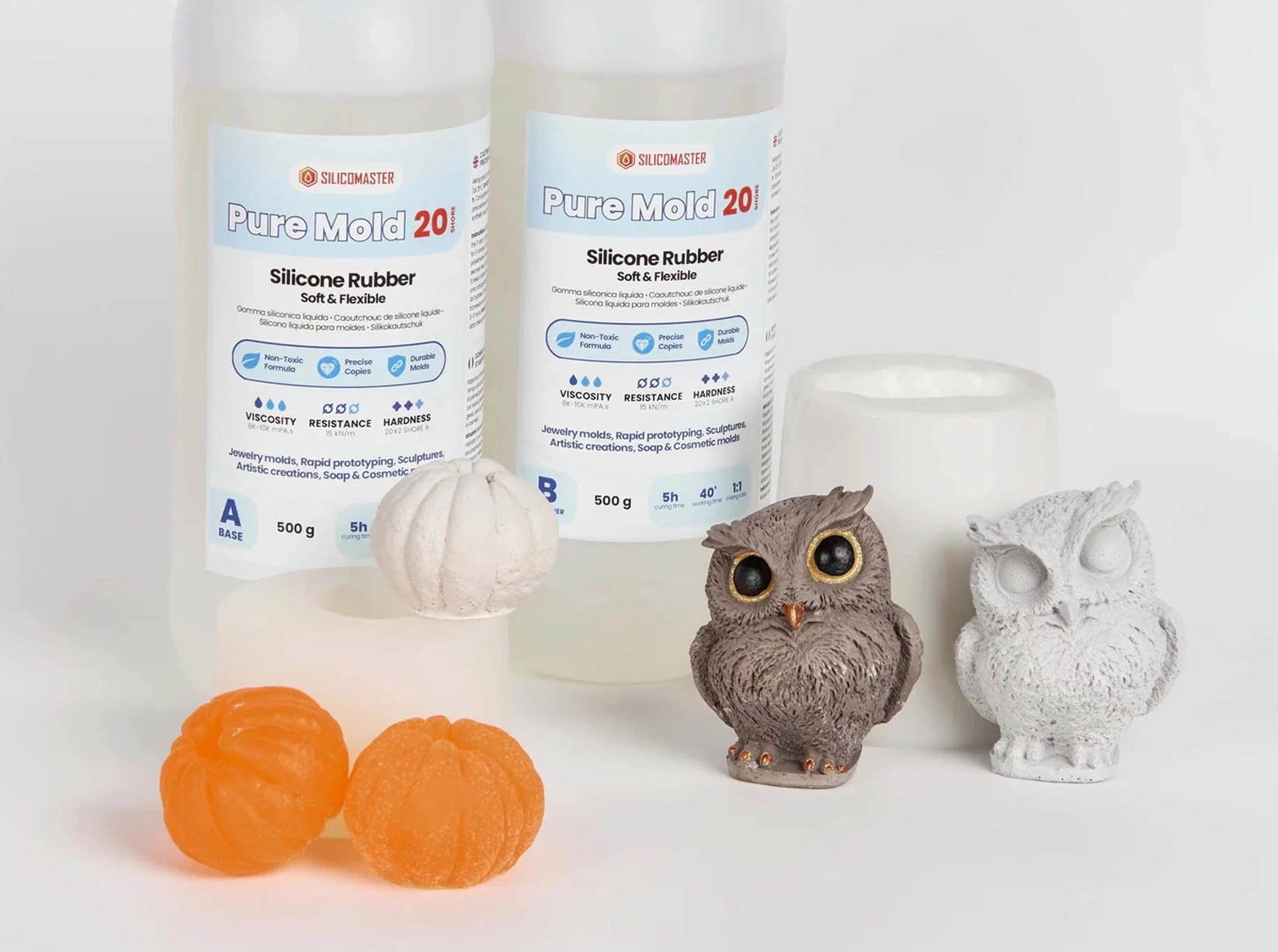
- “Pure Mould” – Translucent Liquid Silicone Rubber for Mould Making – Ideal for creating detailed, reusable moulds for resin casting.
- “Epoxytable 10-Ten” – Deep Pour Epoxy Resin for Tables, Up to 10cm Casting – Suitable for larger, thick sculptures requiring deep pours.
- “EpoxyTable 5-Five” – Deep Pour Epoxy Resin for Tables and Large Projects – Up to 5cm – Good for medium-sized sculptures and projects up to 5cm thick.
- “IWhite” – Polyurethane Casting Resin – White, Fast-Curing Two-Part System – Best for small, highly detailed pieces and rapid prototyping.
- Mixing containers, measuring cups, weighing scales
- Personal protective equipment (gloves, respirator, goggles)
- Stir sticks, disposable pipettes, release spray (if needed)
- Sandpaper, finishing tools, and paints (for post-cure work)
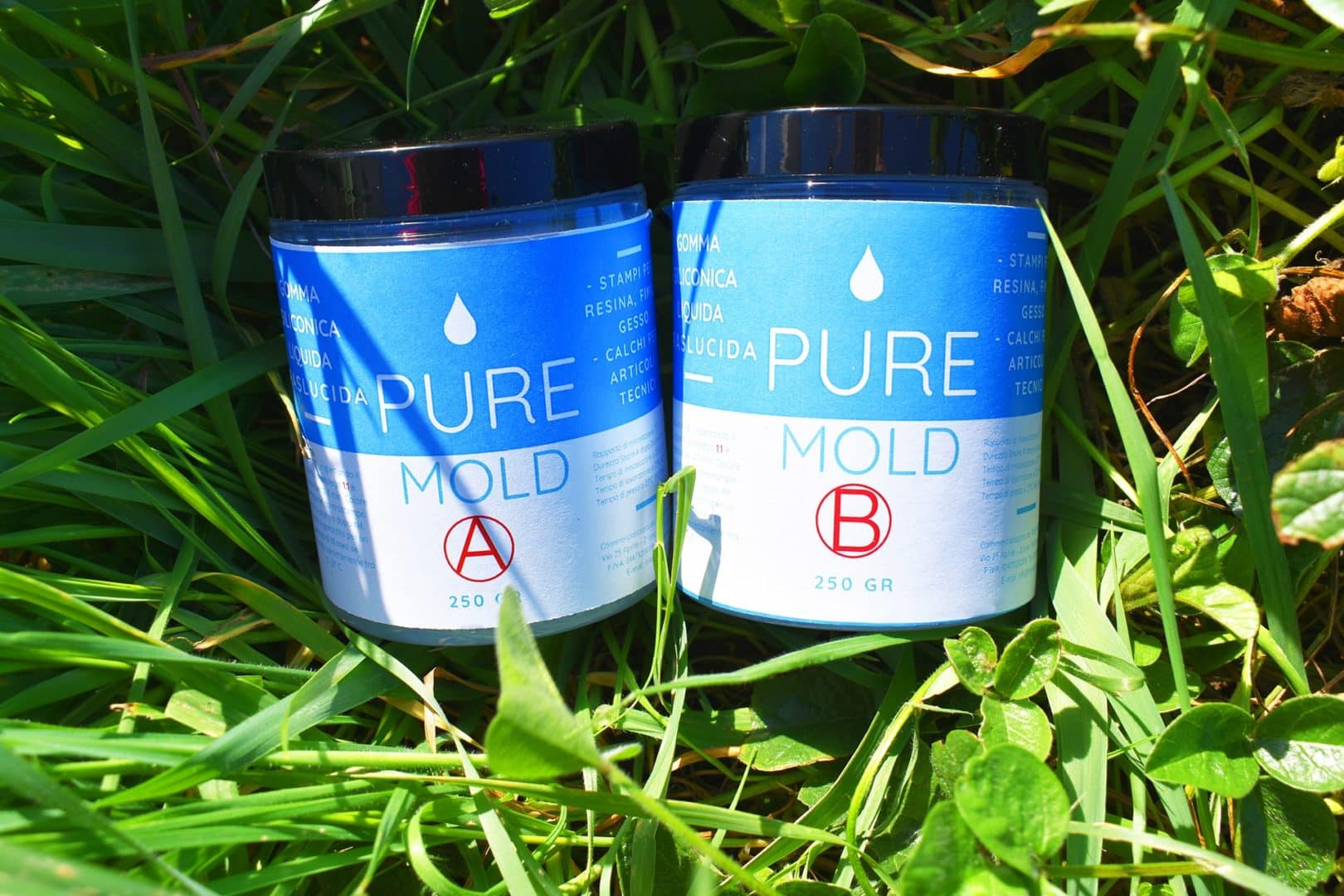
See the Essentials for Resin Sculpture Crafting
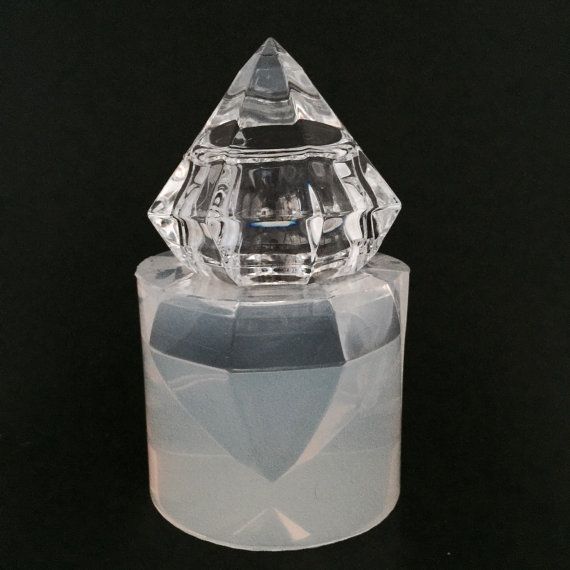
Explore finished resin sculptures, silicone mould making, and casting materials close up. Notice the clarity and versatility achieved using professional resins and translucent silicone for perfectly formed, repeatable results.
Step 1: Prepare Your Workspace and Materials
Set up a clean, dust-free space with good ventilation and easy access to all your materials. Lay out protective sheeting to catch spills and ensure you have all safety equipment ready. Always work in a well-ventilated area and wear gloves and a respirator, particularly when handling liquid resins and hardeners.
Gather all your measuring and mixing tools. As resin and hardener mixing ratios must be precise, having accurate digital scales or marked cups is essential. Organise your workspace so nothing distracts you during the working time, as some resins cure quickly and do not allow time for error.
Step 2: Make or Prepare Your Mould
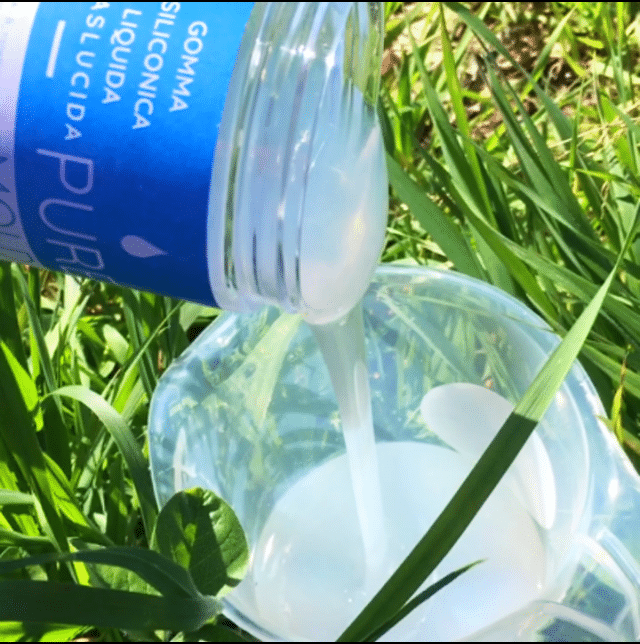
The quality of your finished sculpture depends heavily on the mould. To create your own, pour a suitable silicone rubber over your original model inside a secure, well-sealed container. “Pure Mould” – Translucent Liquid Silicone Rubber for Mould Making is ideal, as it offers a 1:1 mixing ratio, excellent transparency, and durability for repeated use. Let the silicone cure as directed, ensuring the mould stays undisturbed.
If using a pre-made mould, inspect for damage and apply release spray if needed. Prepare moulds with care to avoid leaks or unwanted markings. Good transparency lets you monitor fill level and bubble formation in real time.
Step 3: Mix and Pour the Resin
Choose the correct resin for your project’s size and complexity. For large, thick pieces, a deep-pour epoxy such as “Epoxytable 10-Ten” – Deep Pour Epoxy Resin minimises heat build-up and bubbles. For medium-sized sculptures, “EpoxyTable 5-Five” is suitable up to 5cm thick. Small, highly detailed items benefit from rapid-setting polyurethane like “IWhite” – Polyurethane Casting Resin, which captures fine features and cures rapidly.
Mix the resin and hardener in the specified ratio, stirring gently to reduce air bubbles. Measure and mix resins accurately to ensure full cure and a strong final piece. Pour the mixed resin slowly into the mould, filling from the lowest point and allowing time for bubbles to rise and escape. Tapping the mould gently can help release trapped bubbles.
Step 4: Curing and Demoulding
Leave your filled mould undisturbed for the recommended curing time. Avoid moving or knocking the mould, as vibration can introduce defects. Different resins require different times: polyurethane cures rapidly (as fast as 30 minutes for “IWhite”), deep pour epoxies may take several hours to days for thick pieces. Check manufacturer guidelines for precise timing.
Allow resins to cure fully before demoulding to prevent distortion, fingerprint marks, or surface blemishes. Use gentle pressure and, if needed, mild release aids to free the sculpture without damaging the surface. Friable castings or sharp details require particular care to avoid snapping as you remove them.
Step 5: Finishing Touches and Decoration
Once demoulded, inspect your piece for sharp edges, bubbles, or minor imperfections. Use fine sandpaper to smooth surfaces, and files or rotary tools for detail work as needed. Cleaning resin residue with appropriate solvents can also help before painting or sealing.
If you wish to colour or decorate the sculpture, prime the resin and use acrylics, stains, or varnishes for your desired effect. Some resins may be coloured during pouring, particularly polyurethane systems. Clean up spills immediately with appropriate solvents and dispose of any waste material safely.
Tips, Common Mistakes, and Troubleshooting
Careful preparation prevents most resin sculpting issues. Avoid under-mixing resins, which leads to sticky or soft areas that never fully set. Use only compatible mould materials, since resins can react with some plastics or rubbers. Trapped moisture or dust causes bubbles or surface irregularities, so always keep your workspace and tools clean and dry.
For deep sculptures, build up in layers if necessary to prevent overheating or cracking. Keep finished sculptures away from direct sunlight until fully cured to prevent warping or yellowing. If you experience persistent troubles, review mixing ratios, curing environment, and product suitability for your exact project type.
Project Results and Troubleshooting Examples
View outcomes from various resin types and learn to identify common mistakes such as bubbles, improper curing, or mould marks. See how proper technique ensures professional-quality resin sculptures every time.
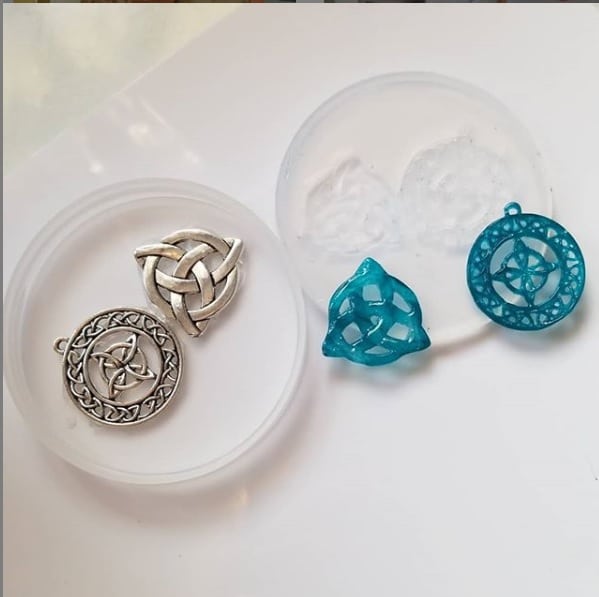
- "Pure Mould" – Translucent Liquid Silicone Rubber for Mould MakingPrice range: £22.85 through £158.85"Pure Mould" silicone rubber is translucent, fast curing, and suited for making detailed moulds compatible with various casting materials.
- “Epoxytable 10-Ten” – Deep Pour Epoxy Resin for Tables, Up to 10cm CastingPrice range: £33.85 through £334.85“Epoxytable 10-Ten” is an epoxy resin designed for deep pours up to 10cm, suitable for resin sculpture making under the how to make resin sculptures…
 "EpoxyTable 5-Five" – Deep Pour Epoxy Resin for Tables and Large Projects – Up to 5cmPrice range: £16.85 through £1,099.85"EpoxyTable 5-Five" is designed for deep pouring and large projects, suitable for creating tables and artistic resin sculptures.
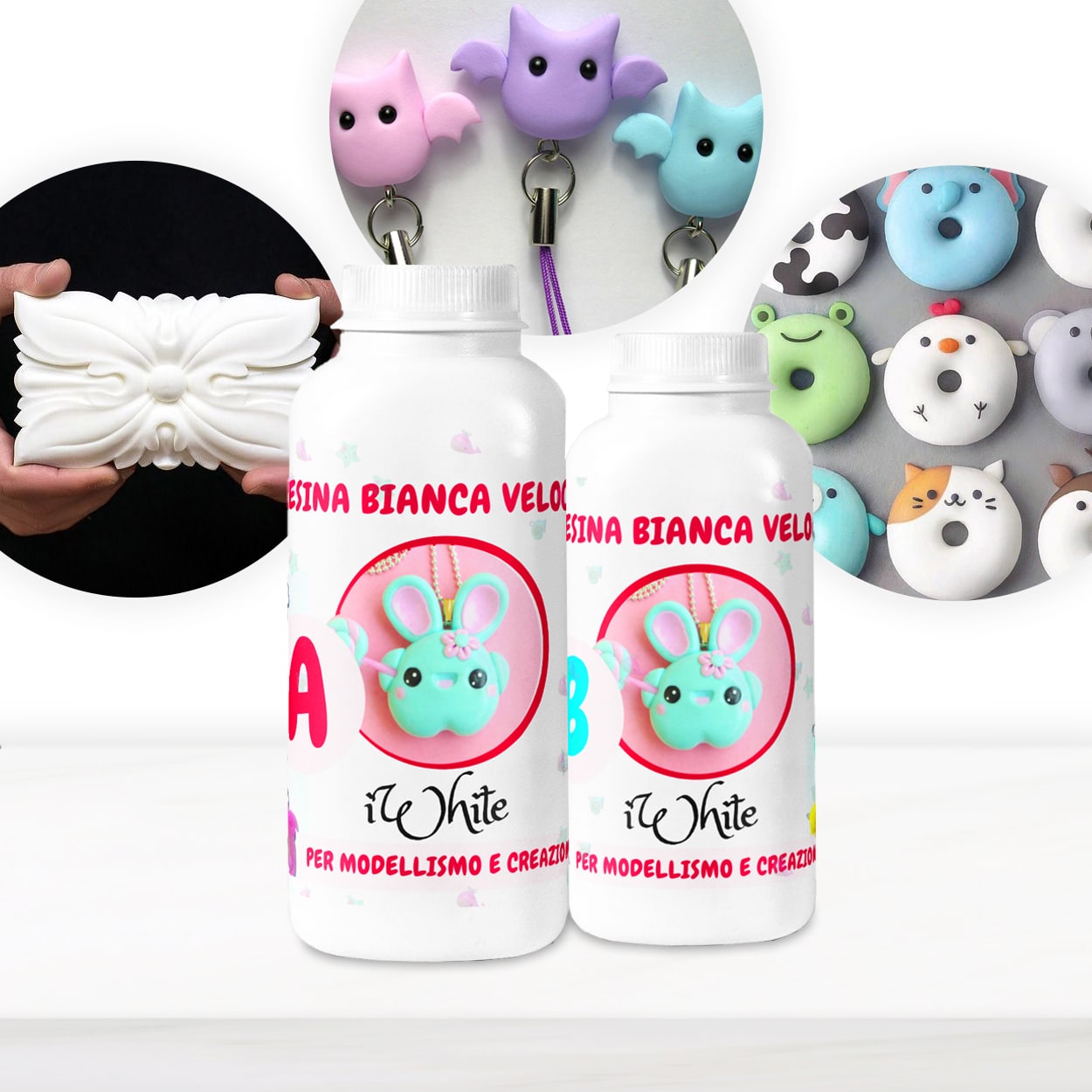 “IWhite” – Polyurethane Casting Resin – White, Fast-Curing Two-Part SystemPrice range: £22.85 through £34.85“IWhite” is a fast-curing polyurethane resin designed for rapid casting and detailed model making in resin sculpture projects.
Frequently Asked Questions
How do I choose between epoxy and polyurethane resin for sculpture making?
Epoxy is best for thick, clear sculptures, while polyurethane offers rapid curing and finer detail reproduction for smaller pieces.
What silicone is suitable for making moulds for resin sculptures?
Use platinum-based translucent silicone rubber like Pure Mould for best durability, dimensional stability, and visibility during casting.
What safety precautions should I take when making resin sculptures?
Always wear gloves and a respirator, work in a well-ventilated area, and keep resins away from skin and eyes.
How can I prevent bubbles forming in my resin sculpture?
Mix slowly to avoid air entrapment, pour in thin streams, and tap the mould to help bubbles escape before curing.
How long should I wait before demoulding my resin sculpture?
Wait until the resin is fully cured, as specified by the manufacturer; rushing can damage the finish or deform the piece.
Can I paint my resin sculpture once it's cured?
Yes, fully cured resin can be sanded and painted with acrylics or decorated with a range of artistic finishes.