 Free shipping on orders over £29,85
  Shipping Tracking!


 Google
 Facebook
← Back to How much catalyst should be added to the resin?

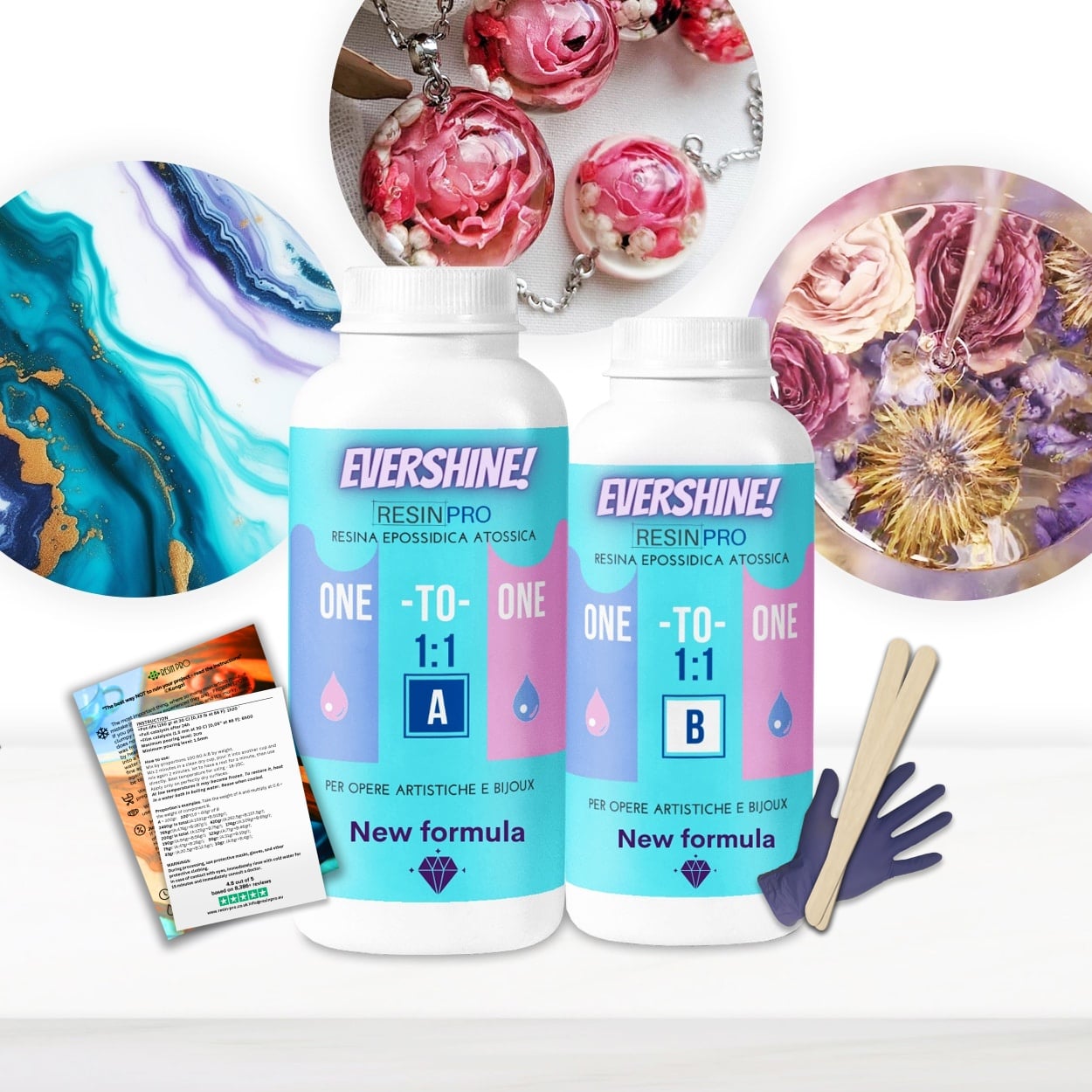
Selecting the correct resin type and mixing ratio is essential whether you’re crafting delicate jewellery or pouring thick resin for tables and large artworks. Each project demands a resin matched to its depth and complexity.
Choosing Resins for Thick Casting
Deep casting projects, such as river tables and artistic blocks, require specialised resins that can be poured in thick layers without overheating. These deep pour resins are usually formulated for slower curing and lower exothermic (heat-producing) reaction, allowing safe pours up to 10cm. Look for resins like “Epoxytable 10-Ten”, designed specifically for such demanding applications. Typical mixing ratios here are around 4:1 (resin to hardener), providing a slower catalyst reaction and ample working time so you can achieve crystal-clear, bubble-free results on large projects.
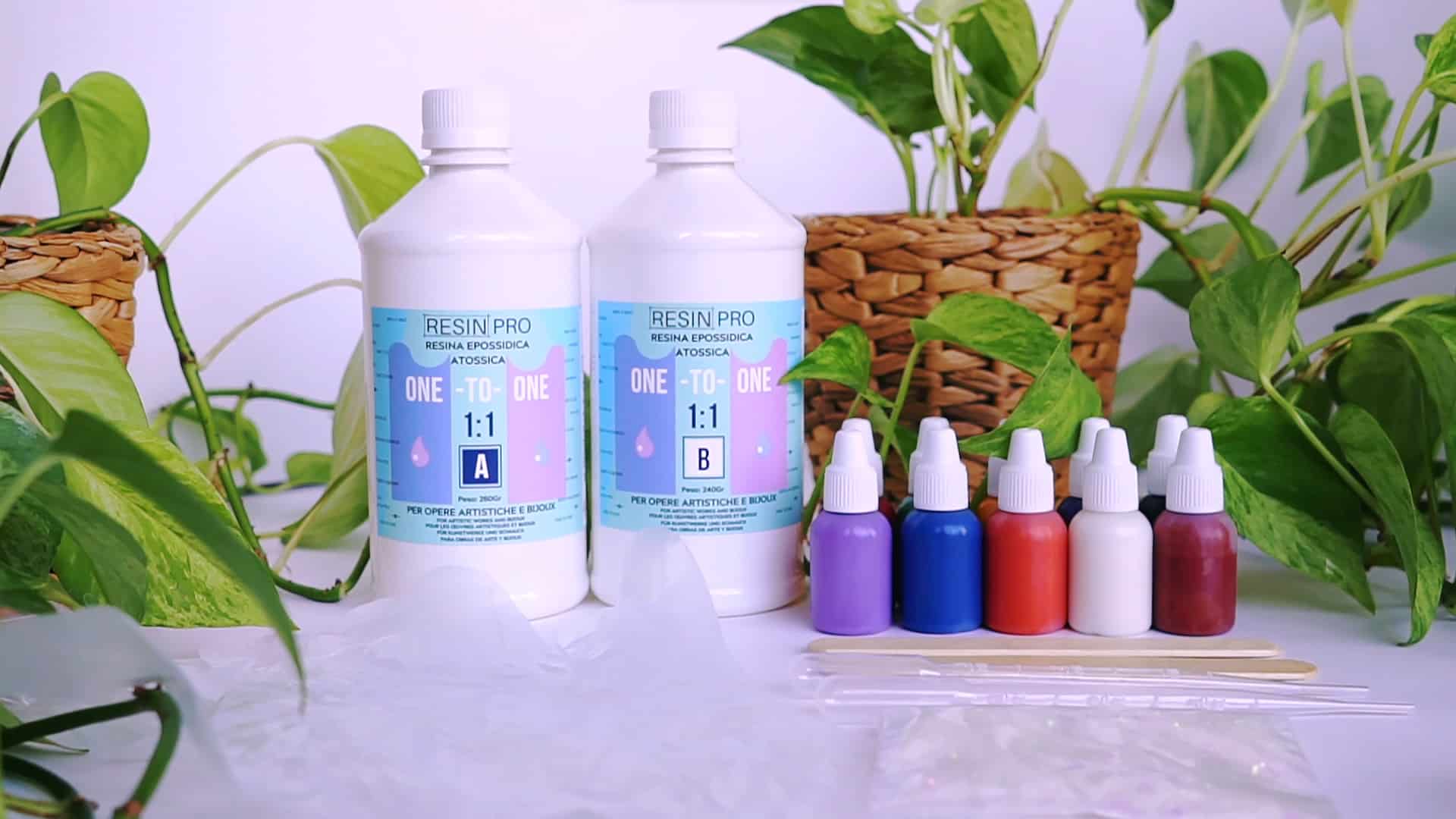
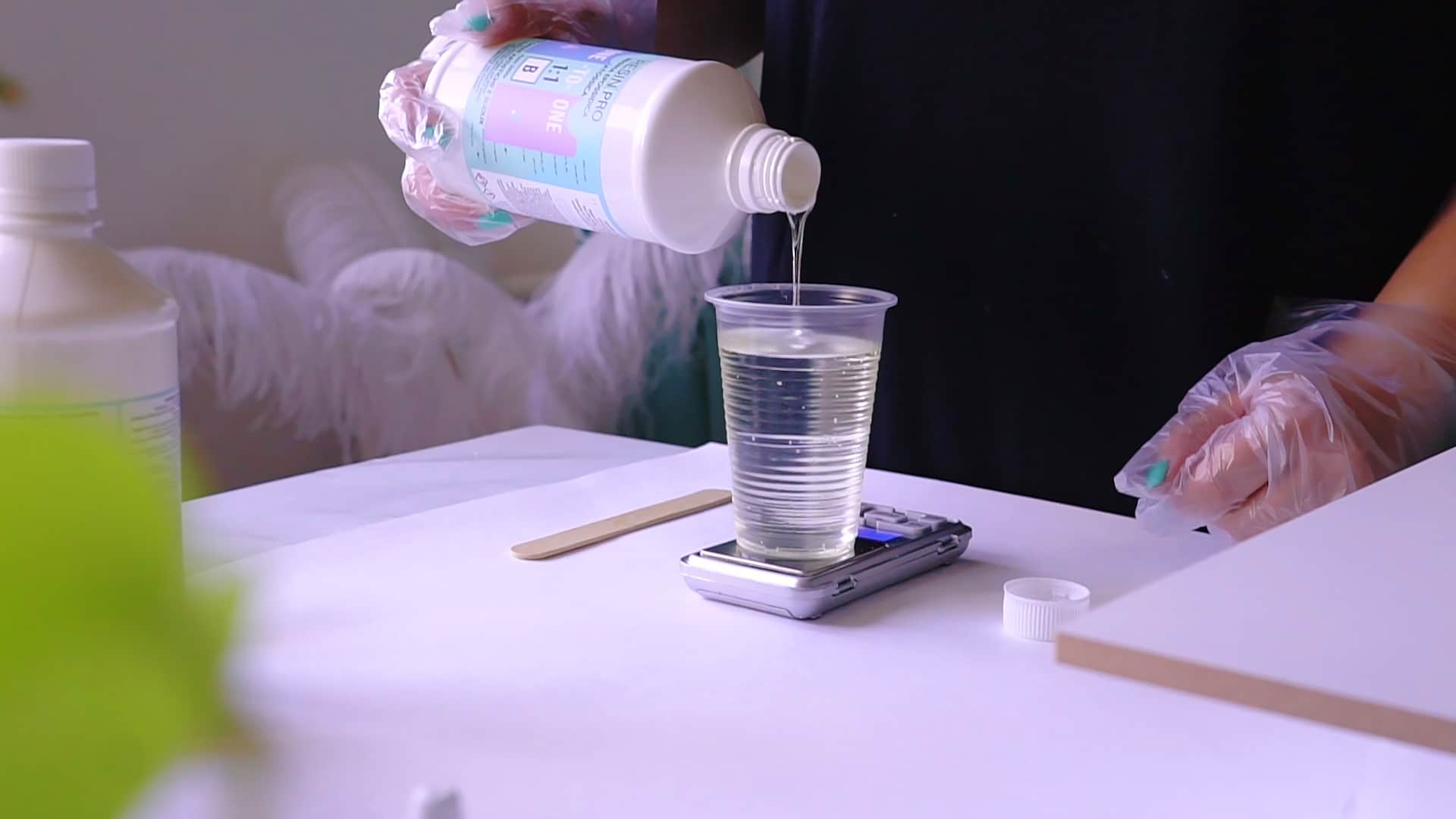
Resin Options and Mixing Ratios for Jewellery
Jewellery making calls for a faster-curing resin that flows well into moulds and offers a durable, glossy finish. Common choices include 1:1 or 2:1 mixing ratio resins, which set reliably and reduce the risk of errors in measurement. Products such as One-2-One and ICreation provide user-friendly mixing instructions and are better suited for small, intricate work. The higher catalyst proportion means they cure more rapidly, ideal when quick demoulding and high surface quality are priorities.
When Mixing Ratio Matters Most
Using the wrong type or ratio of resin for your project can cause overheating in deep pours or incomplete curing in jewellery. Always follow the manufacturer’s specific instructions for each resin, measuring by weight or volume as indicated, to ensure both safety and longevity of your creation.

Related products
Related guides
By choosing the right resin type and mixing ratio for your specific project—whether it’s a thick table pour or a fine jewellery piece—you’ll achieve the best possible results. For more insights, visit our guide on how much catalyst should be added to the resin.