 Free shipping on orders over £29,85
  Shipping Tracking!


 Google
 Facebook
← Back to Which permeable flooring should I install for vehicles?
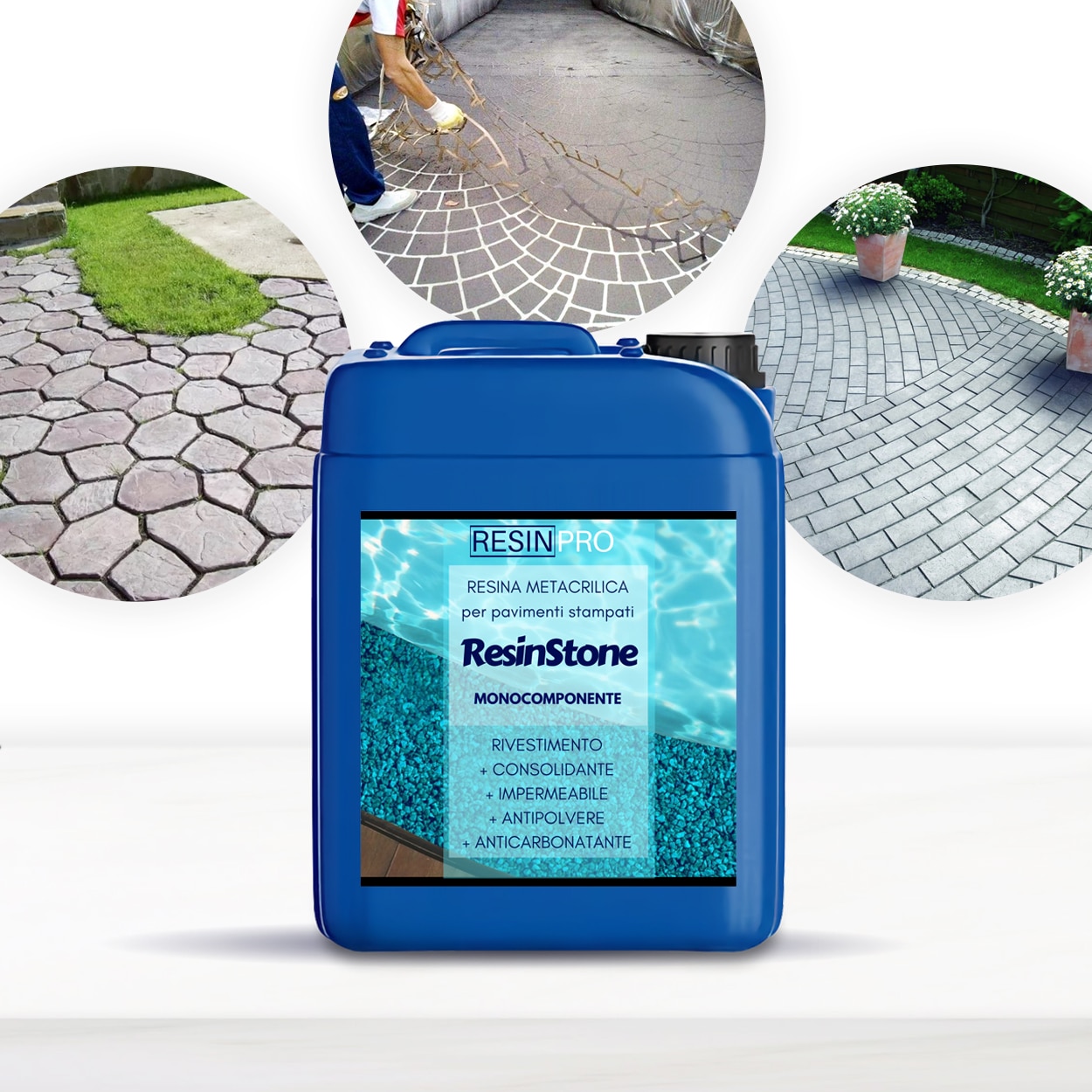
Not all bases are ideal for every resin flooring solution. If you’re considering Resinstone for your floor or driveway, it’s important to know which surfaces suit the product and which should be avoided.
Resinstone’s Surface Compatibility
Resinstone is designed specifically for absorbent concrete. This type of base allows the resin to penetrate and create a reliable bond, resulting in a robust and long-lasting finish. If your project involves plain, clean concrete with open pores, Resinstone offers an excellent choice for sealing and protecting the surface, especially in areas exposed to vehicles or weather.
Surfaces to Avoid
Do not apply Resinstone on loose gravel, compacted stone, or non-absorbent substrates such as old tiles or sealed concrete. On these bases, the resin cannot adhere properly, leading to poor performance or failure of the finish. For gravel or stony areas, opt for systems designed for binding aggregates, like Flowstone permeable floor kit for mixed-colour pebbles, or Polirock polyurethane binder for clear results on white stones. These alternatives provide effective drainage and durability without the risks associated with wrong substrate selection.
When This Matters
Correctly matching the flooring solution to your substrate is crucial if you want a surface that lasts—especially for driveways, parking areas, or paths exposed to vehicles. Using Resinstone on the wrong base may result in flaking or lack of adhesion, so always check that your base is absorbent concrete before proceeding.
Related products
Related guides
Knowing which surfaces are not suitable for Resinstone helps ensure your permeable flooring delivers the durability and appearance you expect. For advice on the best permeable floor for vehicles, see our full guide on which permeable flooring to install.