 Free shipping on orders over £29,85
  Shipping Tracking!


 Google
 Facebook
← Back to How do you mix bifasic resin?

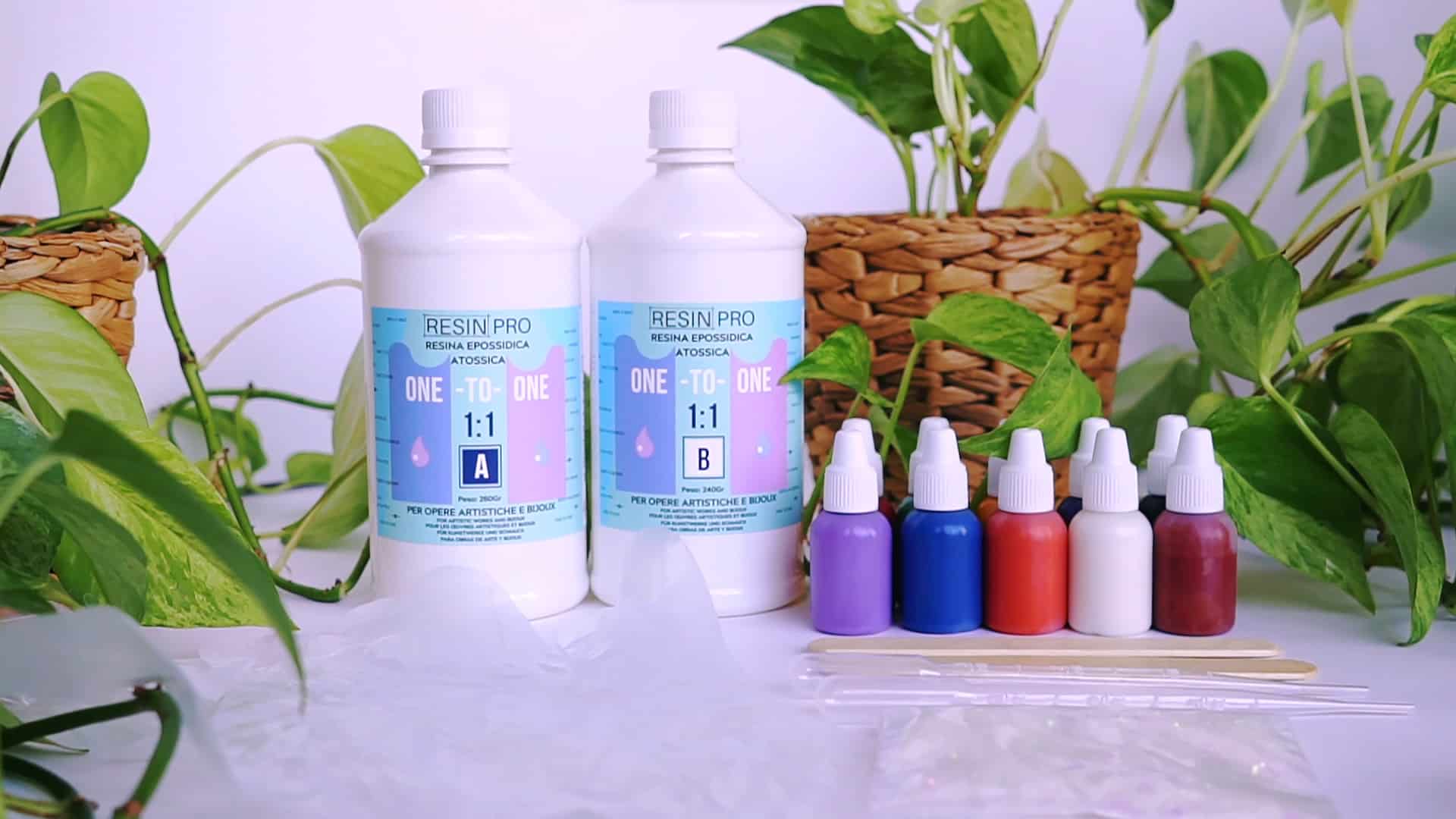
Room temperature is an important factor when working with bifasic (two-part) epoxy resin. Controlling this variable helps you achieve a smooth finish and proper curing for your resin-crafted pieces, from jewellery to castings.
How Temperature Affects Resin Curing
Bifasic resins cure through a chemical reaction that is sensitive to temperature. Lower room temperatures tend to slow the curing process, potentially leaving resin tacky or extending the time before demoulding. Conversely, very warm conditions may speed up curing but could also introduce bubbles or uneven curing if not monitored.
- Ideal curing usually occurs between 20–25°C (68–77°F).
- Below 18°C, expect a notably longer curing time.
- Very high temperatures (above 28°C) can cause the resin to thicken or cure too rapidly.
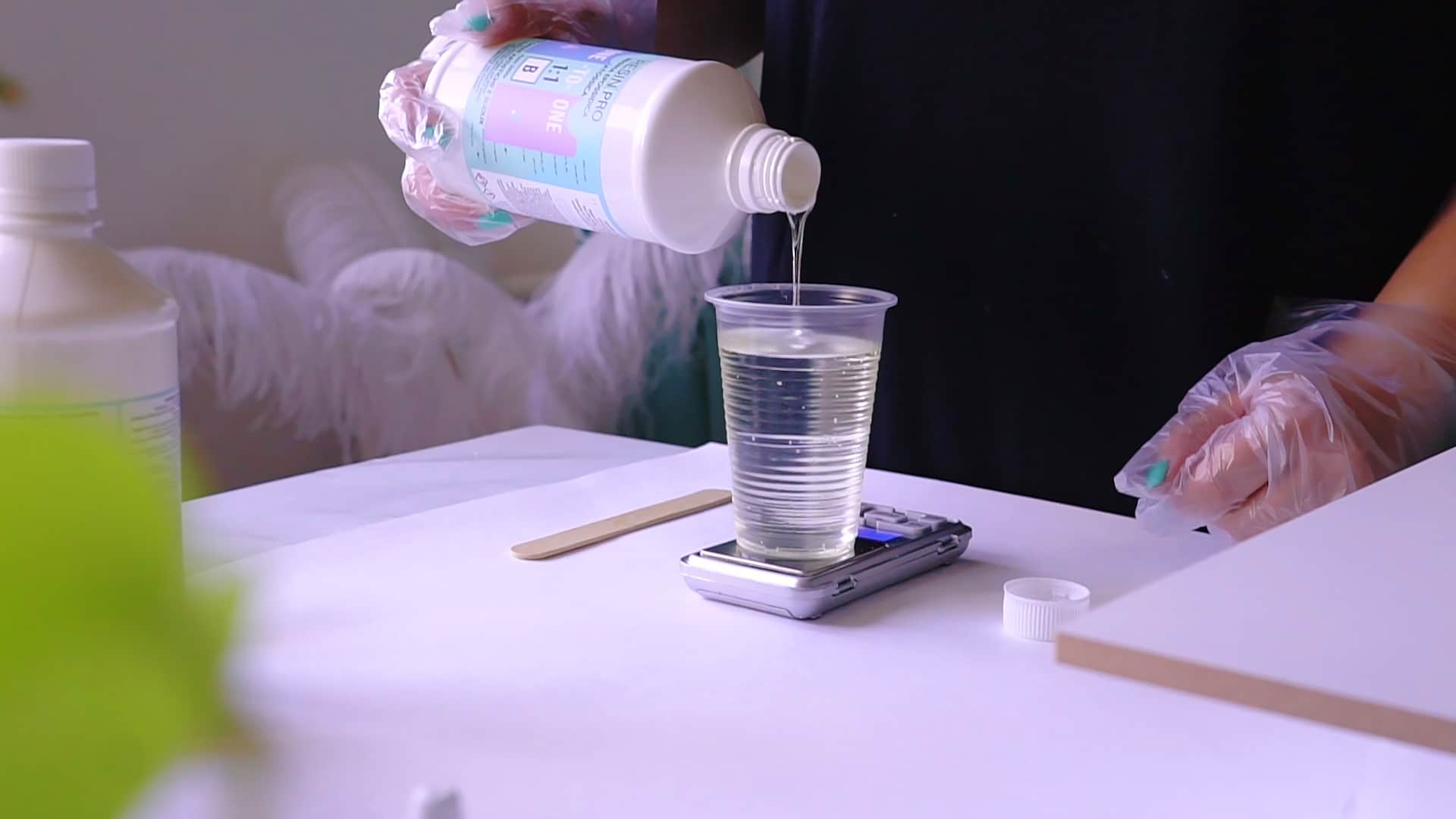

Ensuring Reliable Curing
For consistent results, mix your epoxy resin in a space where you can control the temperature. If your workspace is cooler, you might use a small heater or wait for a naturally warmer day to pour. Warmer rooms help achieve a hard, glossy finish, especially when using products like the “One-2-One” Epoxy Resin which are particularly approachable for beginners. Avoid cold, damp spaces, which can cause cloudiness and slow reaction times.
When This Matters Most
Room temperature is especially important for larger projects or when timing is critical—such as when using moulds, layering colours, or embedding objects. If you’re aiming for a flawless finish, stable temperature helps maintain clarity and reduces the risk of surface imperfections.
Related products
Related guides
Being mindful of room temperature is essential for successful resin crafting. For more tips and to master mixing techniques, revisit our main guide: How do you mix bifasic resin?