 Free shipping on orders over £29,85
  Shipping Tracking!


 Google
 Facebook
← Back to How to cut a silicone rubber mold?

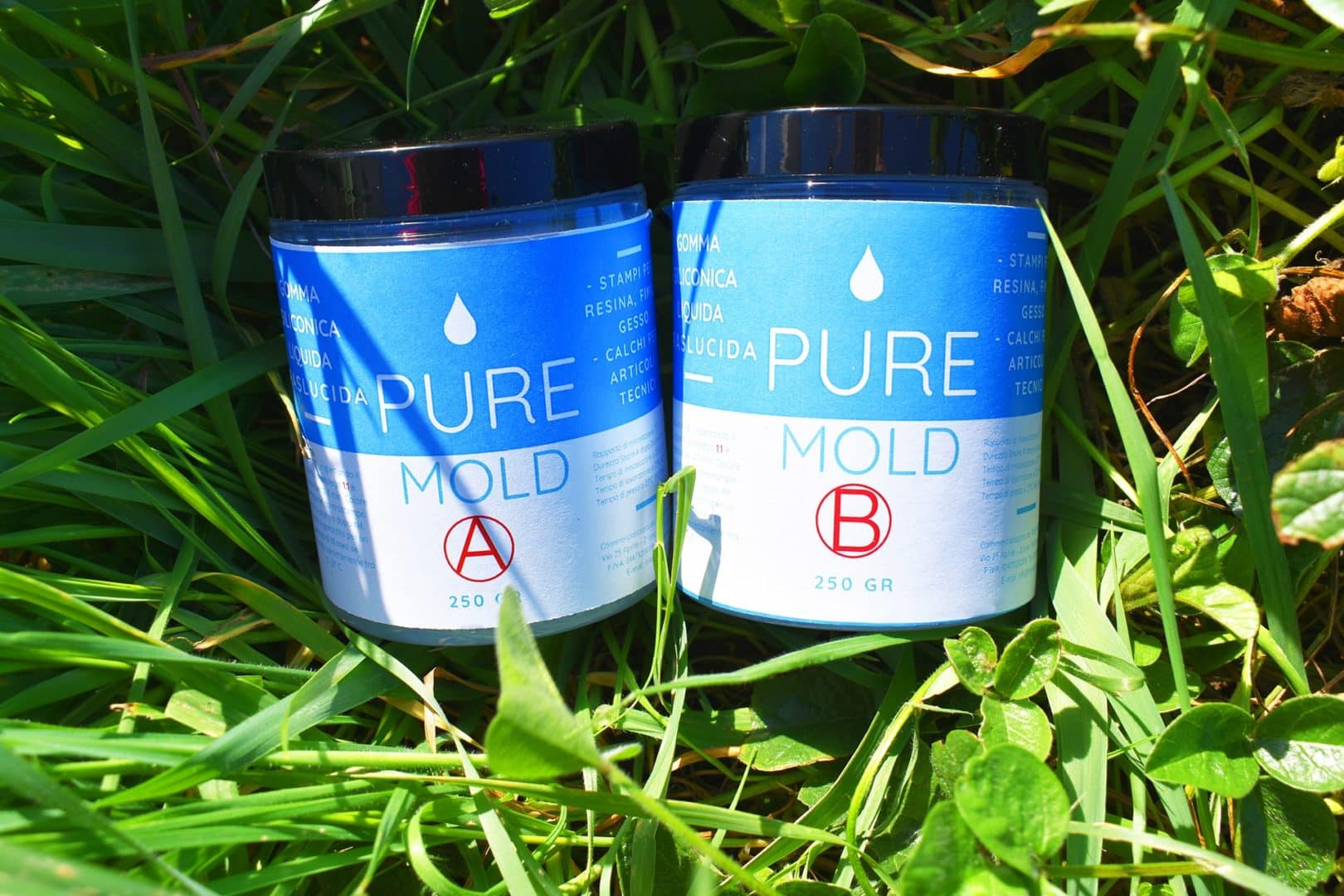
Cutting silicone moulds accurately is vital to preserve both the mould and your safety. If you’re preparing to open or trim a silicone rubber mould, using safe cutting techniques is essential to avoid mishaps and unnecessary waste.
Choosing the Right Tools
A sharp craft knife or scalpel is the best option for cutting silicone moulds. The sharper the blade, the less force you’ll need, which minimises the risk of slips or jagged edges. Always ensure your cutting tool is clean and dry so it moves smoothly through the silicone.
- Use a fresh, sharp blade for clean lines
- Consider a cutting mat to protect your work surface
- Keep blades away from your body at all times
Making Safe and Precise Cuts
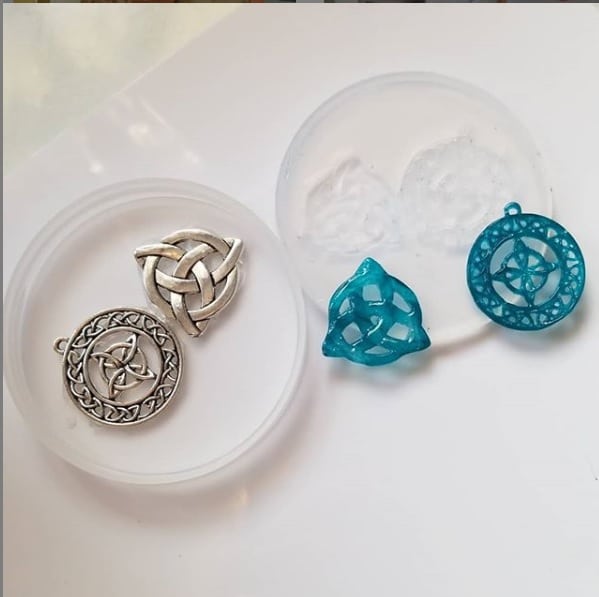
Begin by planning the cut on your mould—mark guidelines if possible. It’s safer to make several shallow passes with your blade, rather than trying to slice through in one go. This approach gives you better control and reduces the risk of accidental slips or tearing the mould.
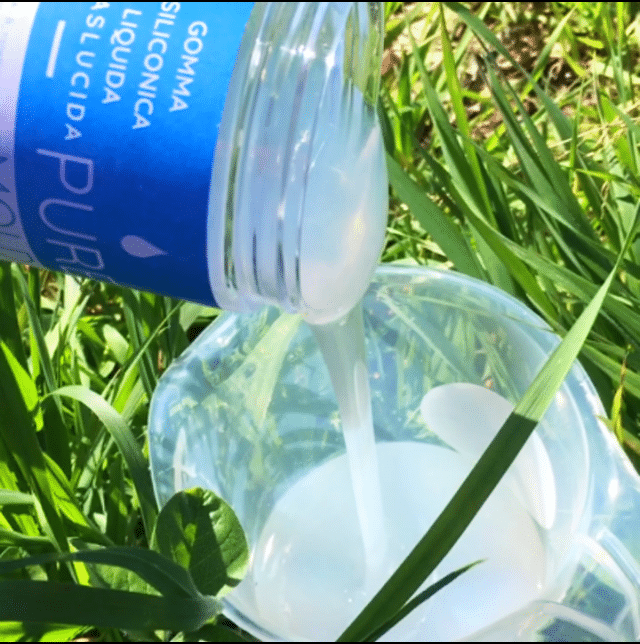
Never force the blade. Take your time and work slowly, keeping your hands steady and out of the cutting path. For situations where visibility is key, using a translucent silicone like Pure Mould can help you trace your lines more accurately.
When Safety Really Matters
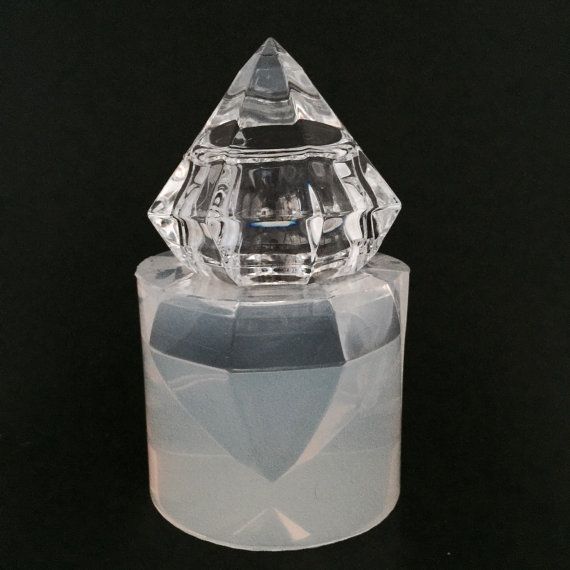
Extra caution is required if you’re cutting around detailed patterns or near fine undercuts, as these areas are more prone to damage. For projects demanding repeated precision, selecting a high-quality, durable silicone mould helps maintain performance over time and withstands careful cutting when needed.
Related products
Related guides
By adopting careful techniques, you’ll be able to cut silicone moulds safely and effectively for various casting projects. For more practical advice and advanced mould-making tips, take a look at our main guide on how to cut a silicone rubber mould.