 Free shipping on orders over £29,85
  Shipping Tracking!


 Google
 Facebook
← Back to Where to buy glue-on resin cabochons?
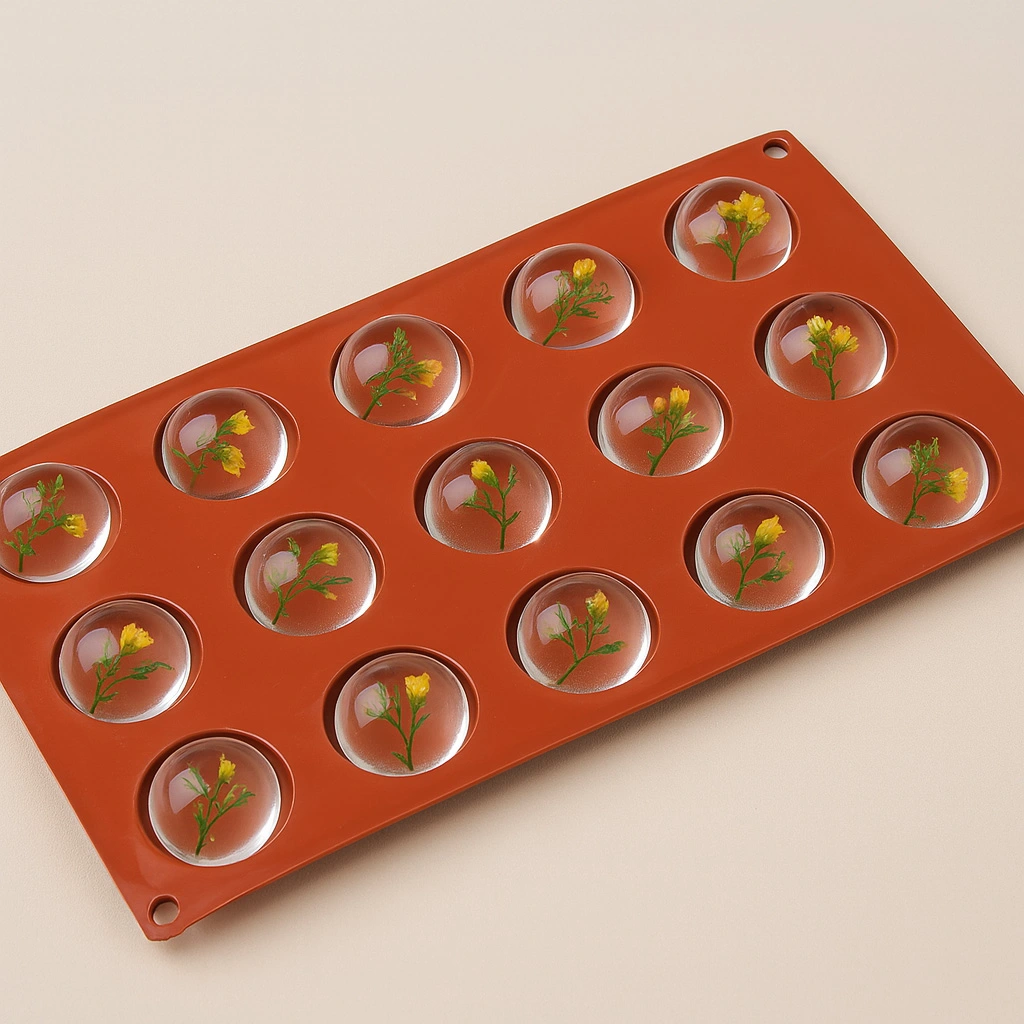

Moulding your own resin cabochons at home gives you complete creative freedom for jewellery and crafts, but it’s important to prioritise safety and quality along the way.
Choosing the Right Mould and Resin
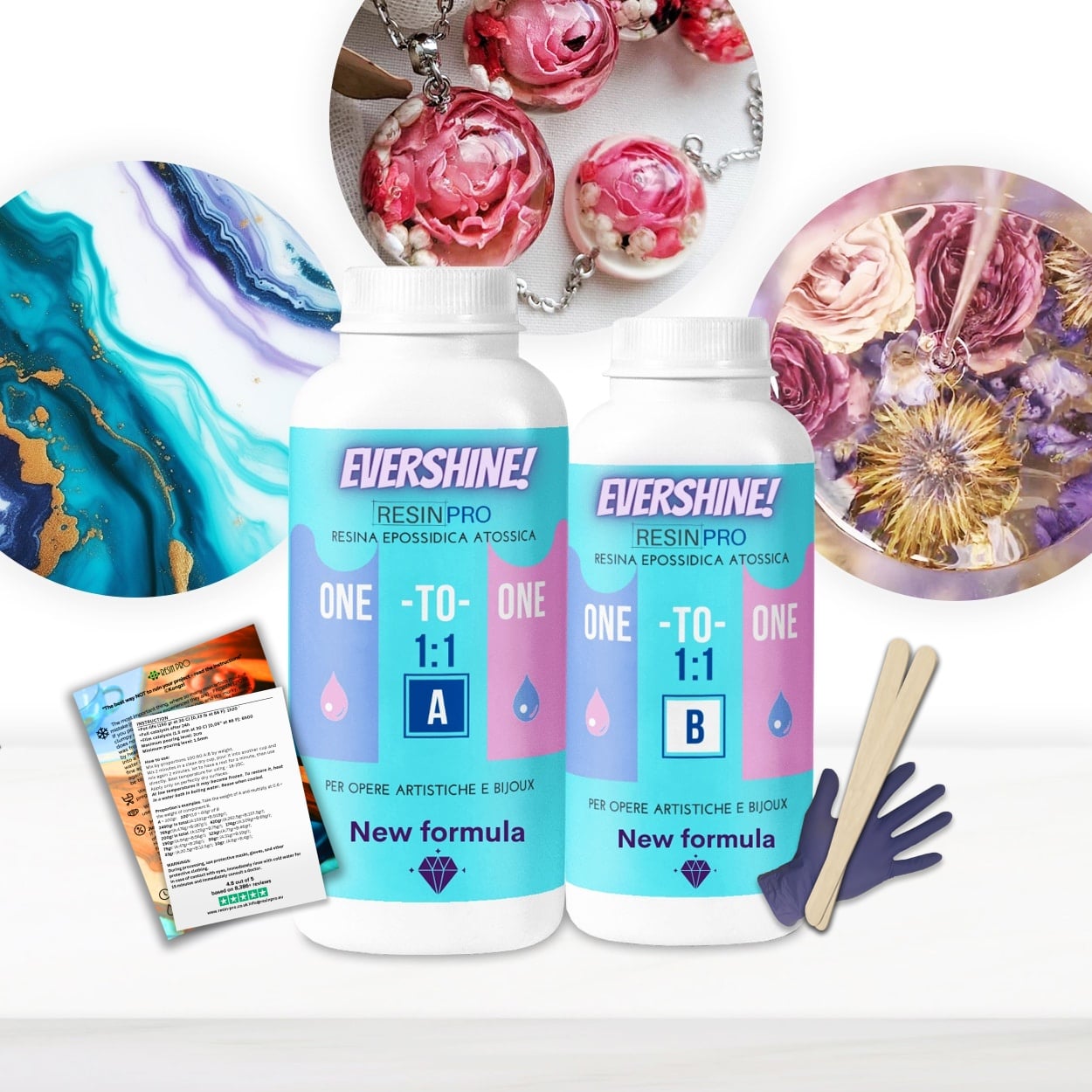
A silicone mould is the safest and most user-friendly option for cabochon making as it’s flexible and doesn’t require a release agent. Moulds like the “Cabochon-15” silicone mould offer easy, shiny results and can be used with various casting materials. Select a resin with good transparency and correct viscosity; options such as “One-2-One” epoxy resin are ideal for beginners as they offer a straightforward 1:1 by volume mixing ratio. For more detailed or intricate pieces, a long-working-time resin like “Liquidissima” helps ensure bubble-free, flawless results.


Safe Moulding Techniques
Always wear protective gloves and work in a well-ventilated area while handling resin. Carefully follow the manufacturer’s mixing instructions for your chosen resin, ensuring you mix thoroughly but gently to minimise bubbles. Once poured, leave the cabochon to cure as advised—typically, it’s best to demould within 12 hours to avoid sticking.
Practical Tips for Success
- Have all your materials and workspace ready before you start mixing resin.
- Use silicone tools for easy clean-up.
- Cover your piece while curing to prevent dust or lint from settling on the surface.
- If adding dyes or inclusions, use them sparingly to avoid affecting the cure or clarity.
Related products
Related guides
By following safe practices and selecting the right materials, you’ll create professional-looking cabochons at home. Discover more about glue-on resin cabochons and related tips on our main guide.