 Free shipping on orders over £29,85
  Shipping Tracking!


 Google
 Facebook
← Back to Where to Buy Silicone Resin for Minnowing


Shore hardness is a critical factor when selecting silicone for mould making. It determines how soft or firm your finished mould will be, directly affecting usability and the kinds of objects you can cast.
Softer Shores for Flexible Moulds
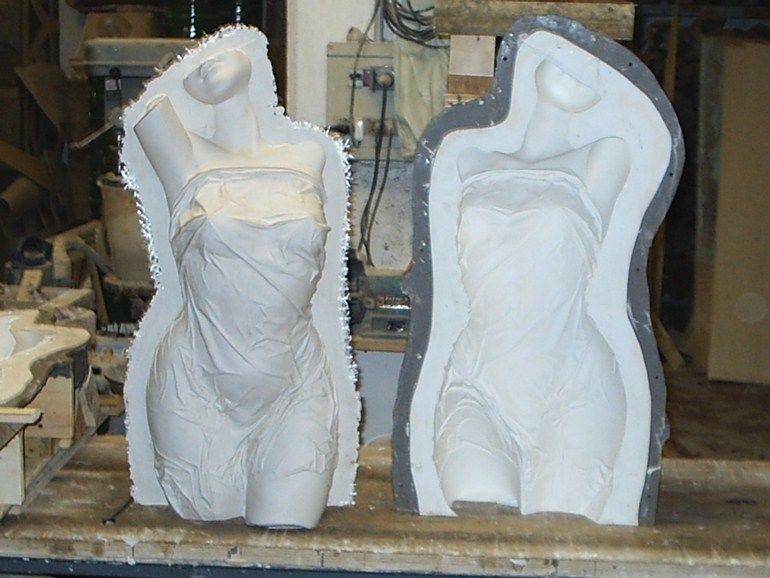
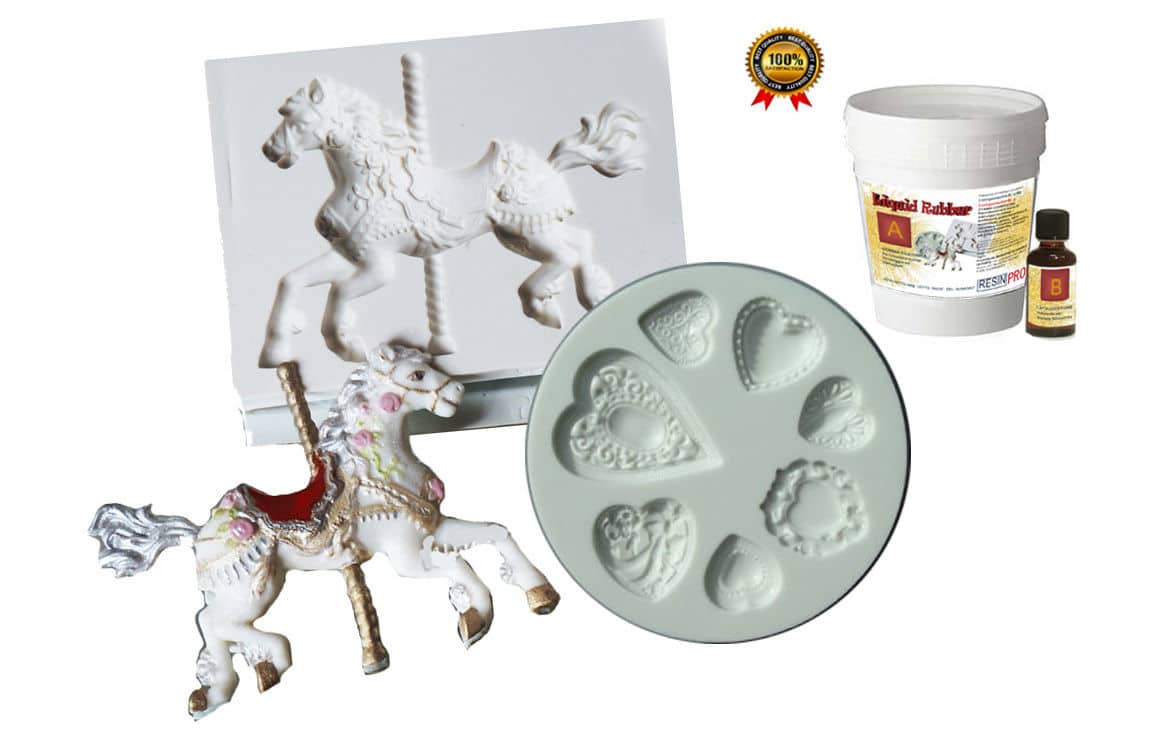
Lower shore hardness (e.g., Shore A 5–20) silicone remains highly flexible, making it ideal for capturing intricate details and undercuts. These softer moulds are excellent for projects where the cast item may be awkward to remove or where flexibility is essential for freeing delicate pieces. If you frequently cast jewellery, figurines, or complex shapes, a low shore silicone such as the “Liquid Mould” – Casting Liquid Silicone Rubber, 5-40 Shores offers a suitable solution.
Harder Shores for Durability and Stability
Choosing a higher shore hardness (e.g., Shore A 30 and above) results in a firmer mould that holds its shape well, especially useful for repeated demoulding and for supporting larger or more solid objects during casting. Harder moulds provide better resistance against deformation, making them suitable for technical, architectural or industrial parts as well as for larger production runs. Consider a product like “Liquid Mould” – Casting Liquid Silicone Rubber, 15 Shores 20.8 kg if you need more rigidity.
When This Matters Most
The right shore hardness really impacts your workflow if your project involves multiple castings, detailed features, or a mix of both. Working with resin, wax, or even concrete? Check your design and removal needs carefully to select the best fit – flexibility for tricky shapes, firmness for repeat accuracy.

Related products
Related guides
Selecting the correct shore hardness makes all the difference in mould making success. For more insight on sourcing reliable silicone resin, visit our main guide on where to buy silicone resin for minnowing.