 Free shipping on orders over £29,85
  Shipping Tracking!


 Google
 Facebook
← Back to How are resin cabochons made?
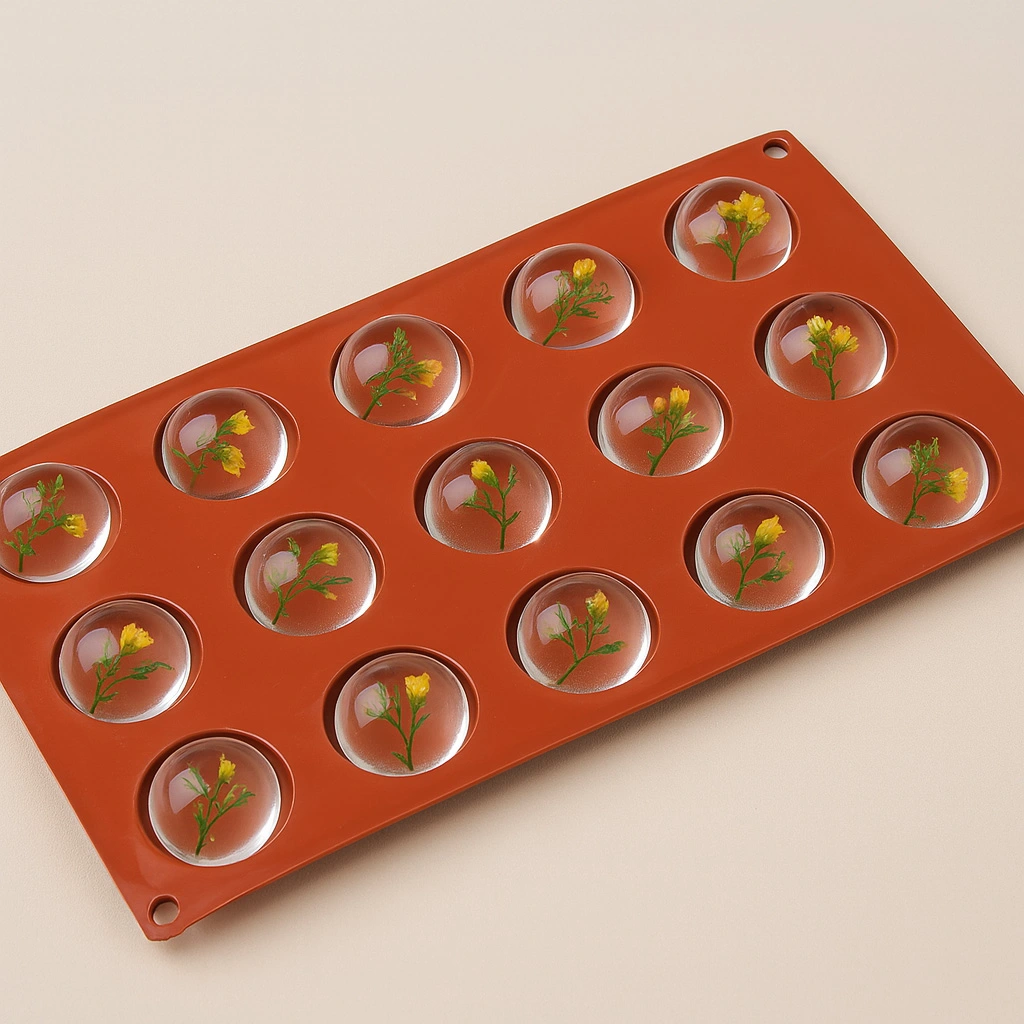
Polishing finished resin cabochons can help you achieve a slick, glassy effect that really brings your creations to life. Whether polishing is necessary depends on how your cabochons come out of the mould and the finish you prefer.
When to Consider Polishing
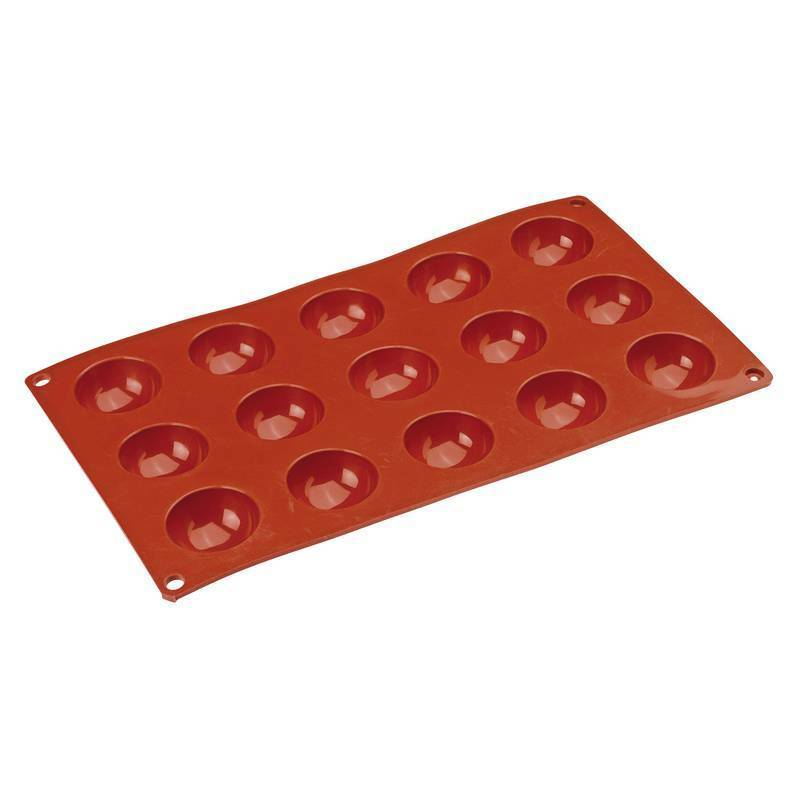
If the surface of your cabochon isn’t as glossy as you’d like, polishing can make a marked improvement. Slight imperfections, dullness, or faint marks from the mould are common reasons to give your piece a gentle buff. However, many high-quality silicone moulds, such as the Cabochon-15 mould, are designed to produce shiny, smooth finishes right out of the mould, reducing or even eliminating the need for extra polishing.

How to Polish Resin Cabochons
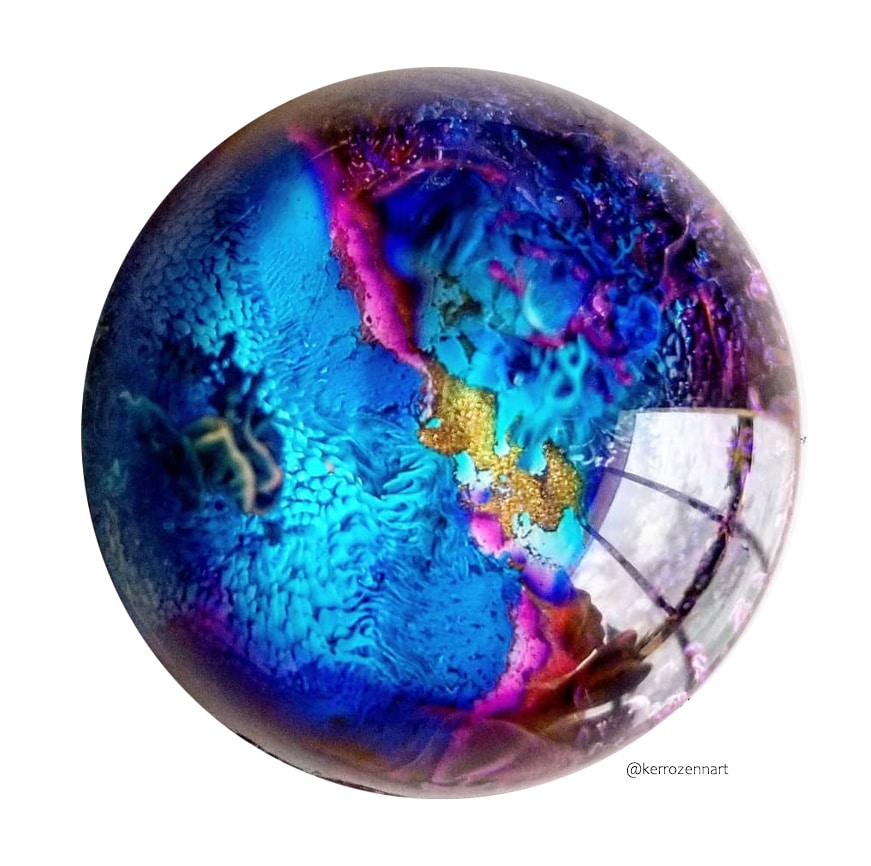
For cabochons that need a shine boost, use a soft cloth and a mild polishing compound suitable for resin. Apply light pressure and work in circular motions to avoid scratching. If your cabochon has sharp edges or drips, carefully sand those areas with fine-grit sandpaper first, then finish with polish for a lustrous look.
- Always test your polish on a small area first.
- Keep movements gentle to prevent accidental damage.
- A good resin polish can also help mask tiny surface marks.
Practical Tips for a Glossy Finish
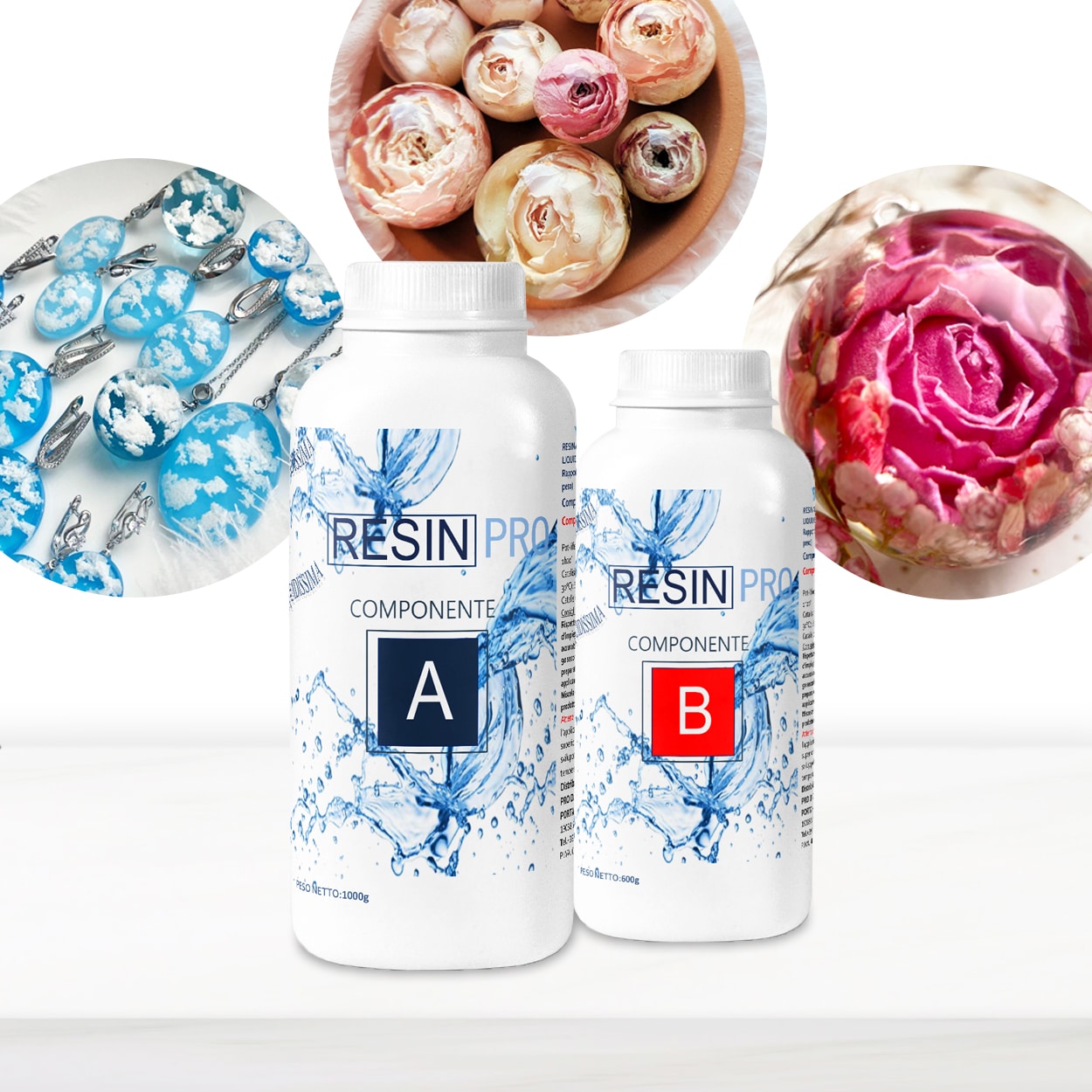
To minimise polishing, start with a quality resin like Liquidissima or One-2-One, both designed for a high-gloss, clear result. Ensure your moulds are clean and free of residue before pouring. De-mould your pieces carefully to avoid marks that would require extra finishing later.
Related products
Related guides
Deciding whether to polish comes down to the mould and resin you use, as well as your desired effect. For more on the process, visit our main guide on how resin cabochons are made.