 Free shipping on orders over £29,85
  Shipping Tracking!


 Google
 Facebook
← Back to How do you paint resin components for a motorcycle?
If you want a paint finish on resin motorcycle parts that not only looks flawless but also lasts, sanding between coats is a key step. Below, discover why this process matters and how to approach it for optimal results.
Why Sand Between Coats?
Lightly sanding between paint layers on resin components removes small imperfections and prepares the surface for the next coat. This helps the new layer of paint grip better, improving both adhesion and the overall smoothness of the final finish. A smooth finish isn’t just about looks—a well-prepped surface can also hold up better to the rigours of daily motorcycle use.
How to Sand Between Paint Layers
Always allow each coat of paint to dry thoroughly before sanding. Use a fine grit sandpaper—for example, around 800 to 1200 grit—to lightly smooth the surface. Avoid pressing too hard to prevent damaging the paint or underlying resin. Wipe down the part with a clean, lint-free cloth to remove dust before applying your next coat.
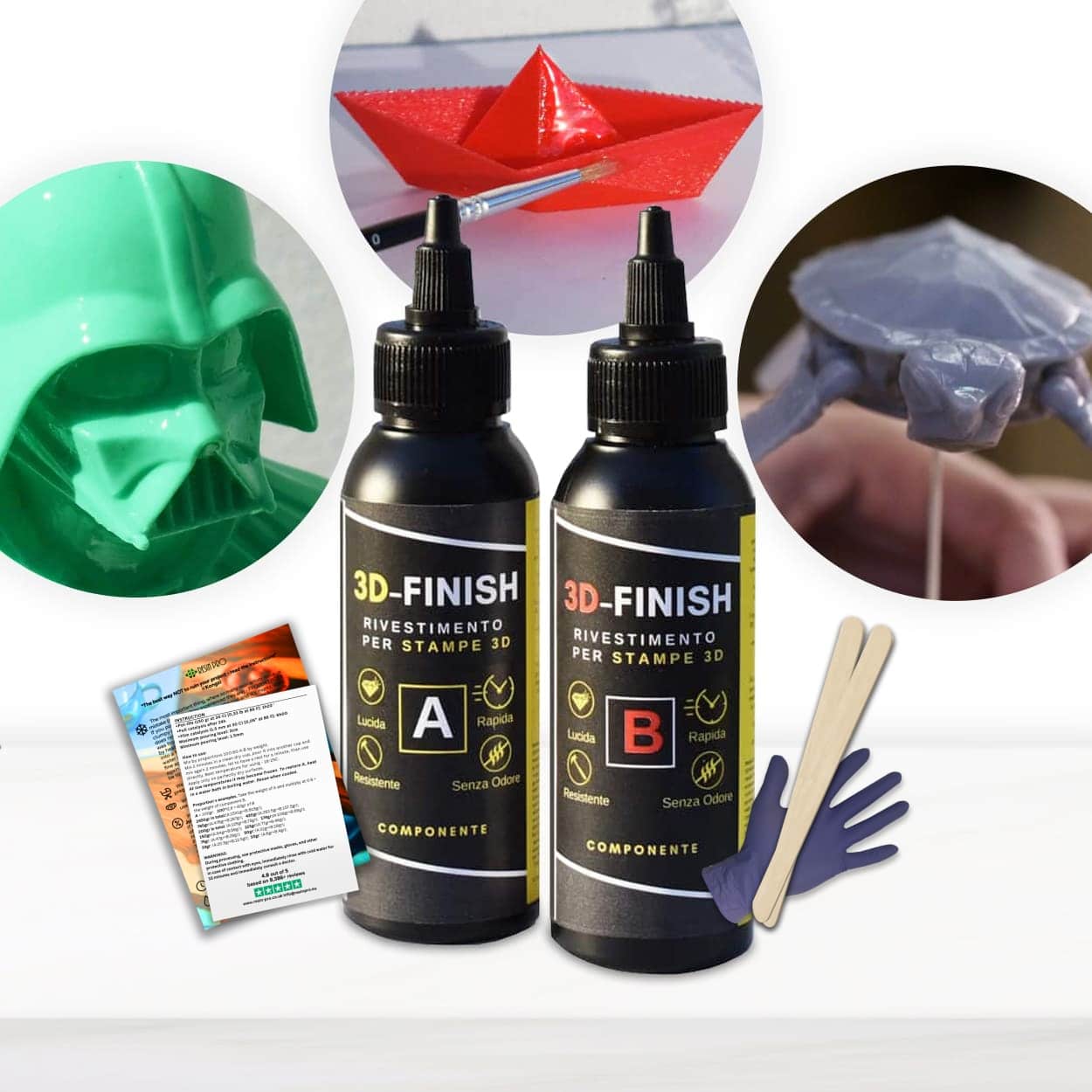
For best results, products like 3D Finish Fast Coating Epoxy Resin can create a surface that’s polishable and ideal for painting, offering a great starting point before even reaching for your paint and sandpaper.
When Is Sanding Between Coats Especially Important?
Sanding between coats is particularly valuable if you notice unevenness, small dust inclusions or want a mirror-like finish. On parts that are highly visible or prone to scratches, such as tank covers or side panels, careful sanding can make all the difference.
Related products
Related guides
Carefully sanding between paint coats ensures your resin motorcycle components look and perform their best. For more tips on achieving a professional result, see our main guide: How do you paint resin components for a motorcycle?