 Free shipping on orders over £29,85
  Shipping Tracking!


 Google
 Facebook
← Back to How many kilograms are needed to pour 7 litres of silicone rubber?
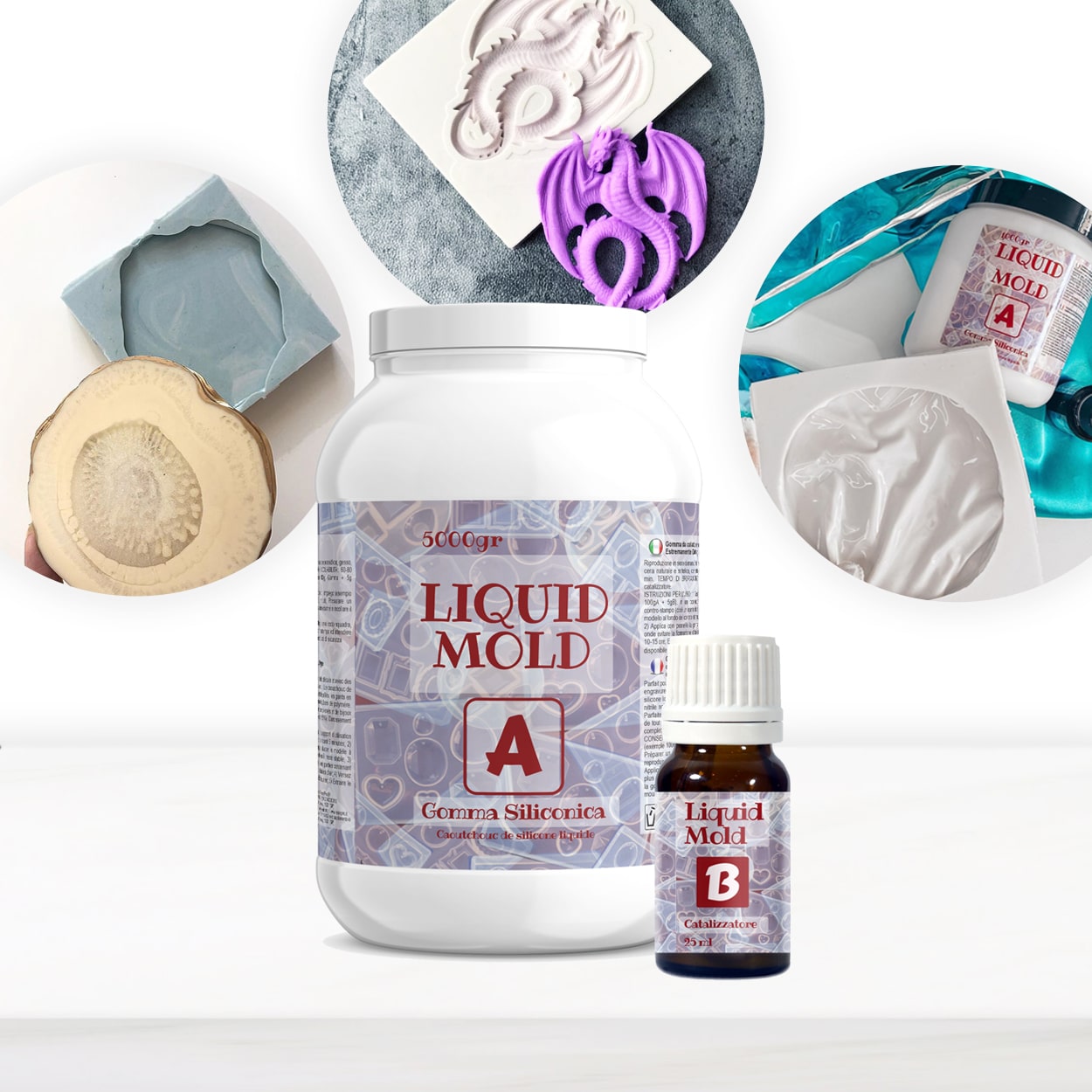
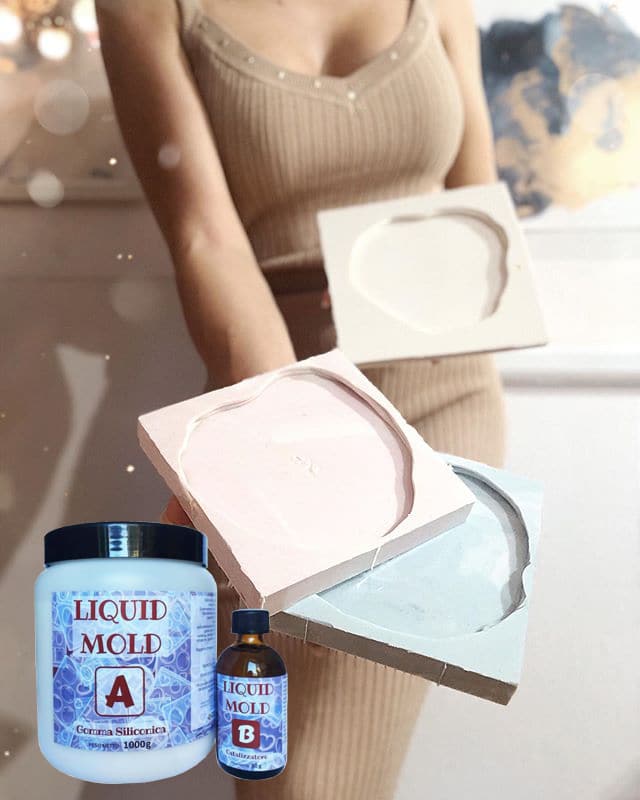
Looking to get the most out of your silicone rubber after opening? Proper storage is crucial to prolong its shelf life, prevent contamination and ensure trouble-free casting with each use.
Keep Containers Airtight and Clean
After opening your silicone rubber, always reseal the containers tightly. Air exposure invites moisture and dust, which can spoil the mix or affect curing performance. Make sure the rim and lid are clean before sealing. If available, transfer any remaining silicone to smaller, airtight containers to minimise air space inside.

Store in a Cool, Dry Place
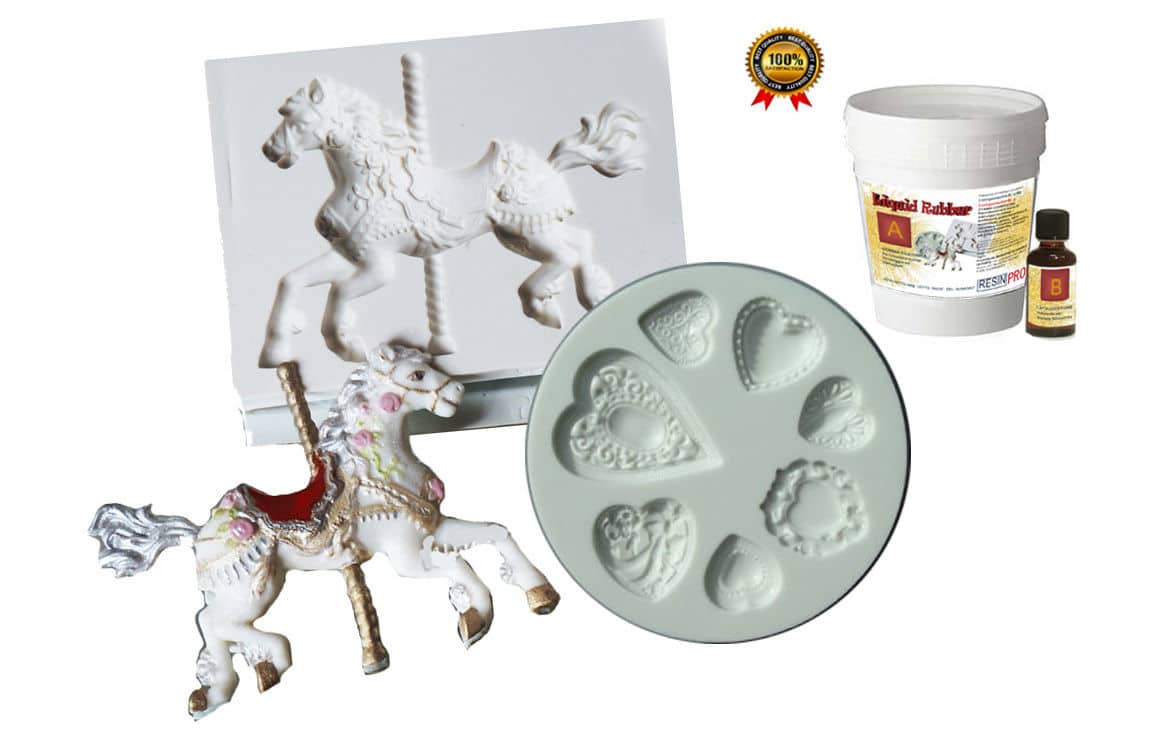
Silicone rubber components should be kept out of direct sunlight and away from heat sources or damp. A stable, temperate environment—such as a cupboard or storage room—will help maintain product quality. High heat, cold or humidity can shorten shelf life or cause separation in two-part systems like the Liquid Mould Casting Liquid Silicone Rubber.
Practical Steps for Everyday Use
- Label opened containers with the date, so you know how fresh the material is each time you use it.
- Avoid dipping used mixing tools back into the original packaging, as this introduces contaminants. Use a clean scoop for each portion.
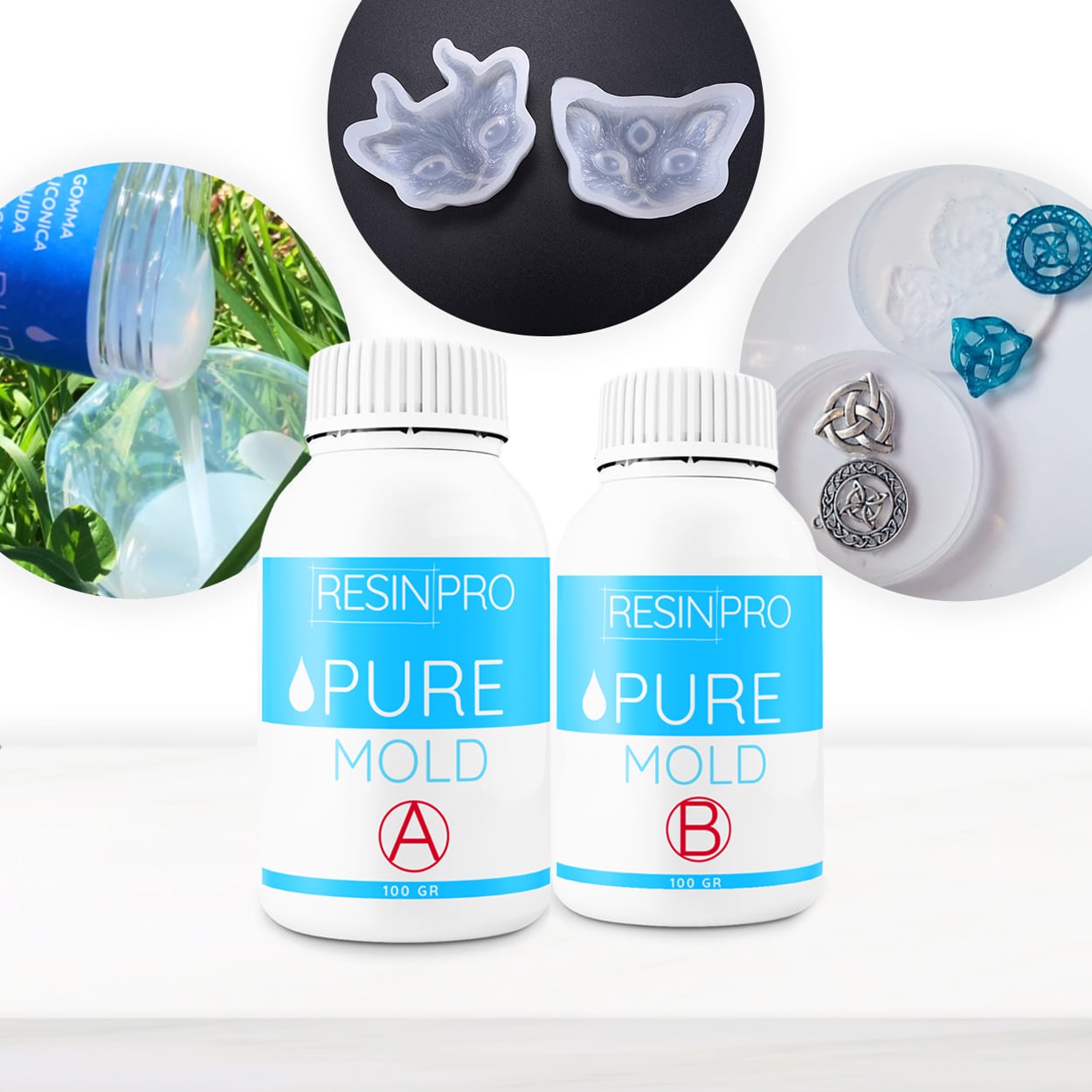
- If the silicone comes in two parts, consider storing each component in its own clearly marked container to prevent accidental mixing or cross-contamination.
When This Matters
If you regularly make detailed or repeat moulds, consistent storage keeps your silicone rubber reliable from project to project. Proper care reduces waste, saving you money and effort in the long run.
Related products
Related guides
With just a few careful storage habits, your silicone rubber remains ready for quality casting work whenever inspiration strikes. For more on usage tips or materials, visit our main silicone casting FAQ to continue exploring.