 Free shipping on orders over £29,85
  Shipping Tracking!


 Google
 Facebook
← Back to How were Fischer anchors fixed before resins?


When it comes to anchoring and structural bonding, selecting the right adhesive is essential. Epoxy glues and polyester resins are two popular choices, each offering unique strengths and application benefits.
Comparing Strength and Setting Times
Epoxy glue is known for its rapid setting ability—often achieving a solid bond within just five minutes. This quick cure is ideal when time is of the essence, yet you still require maximum mechanical strength. Polyester resin, while not as fast to set, provides robust structural bonding that stands up well to the elements and offers reliable water resistance. The choice often comes down to your need for immediate strength versus long-term environmental durability.
Choosing the Right Adhesive for Anchoring
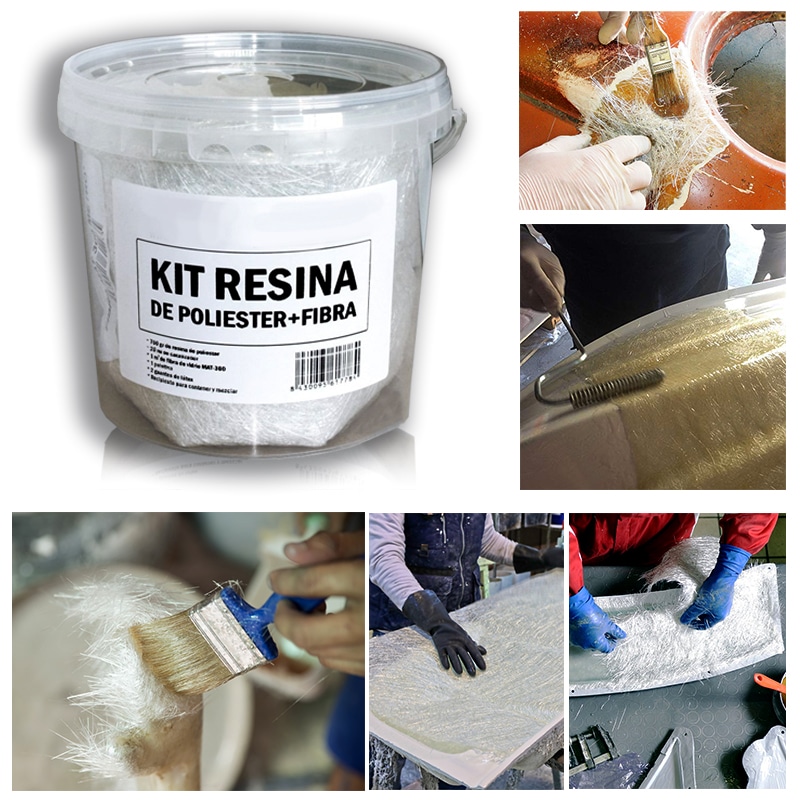
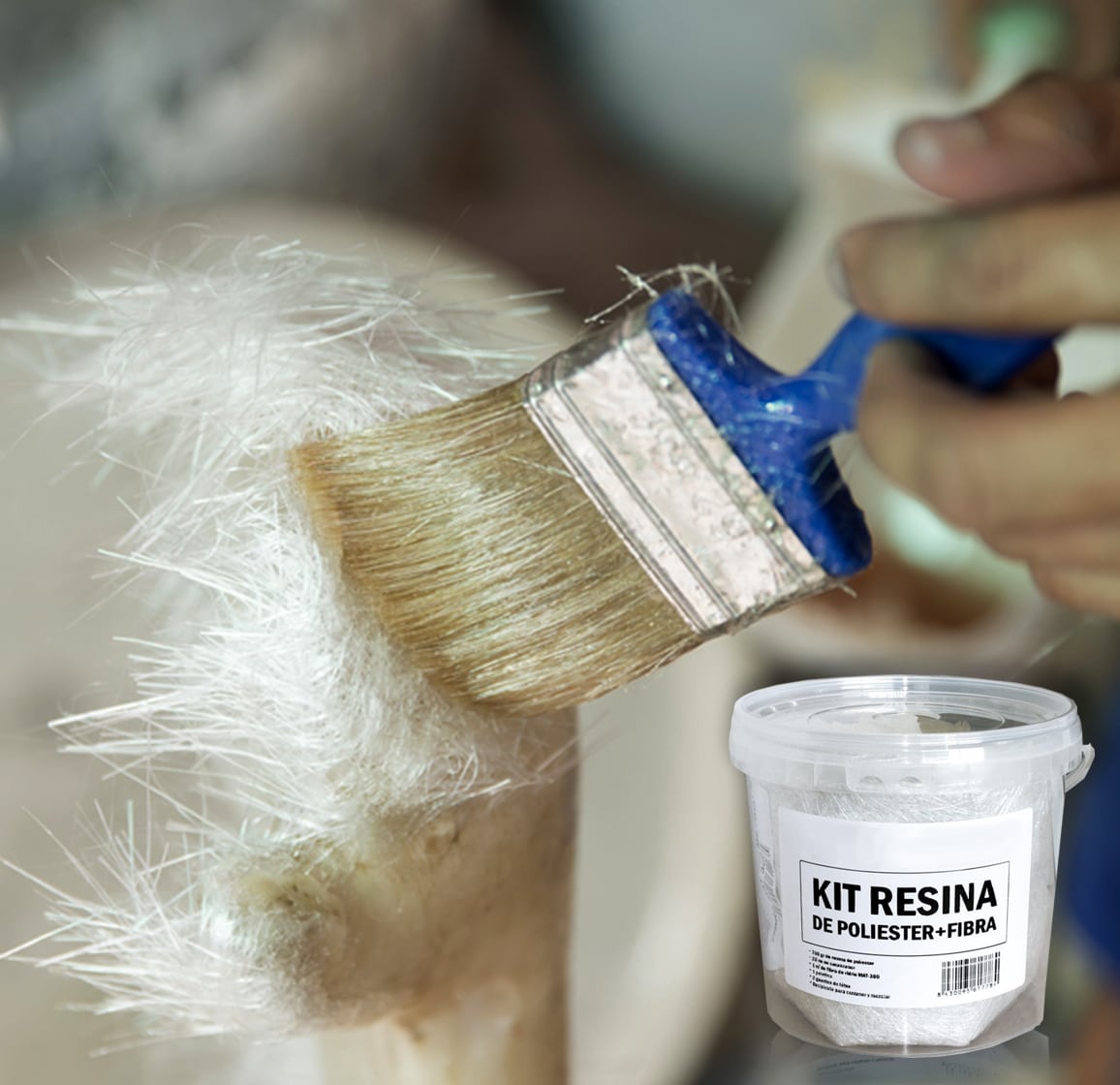
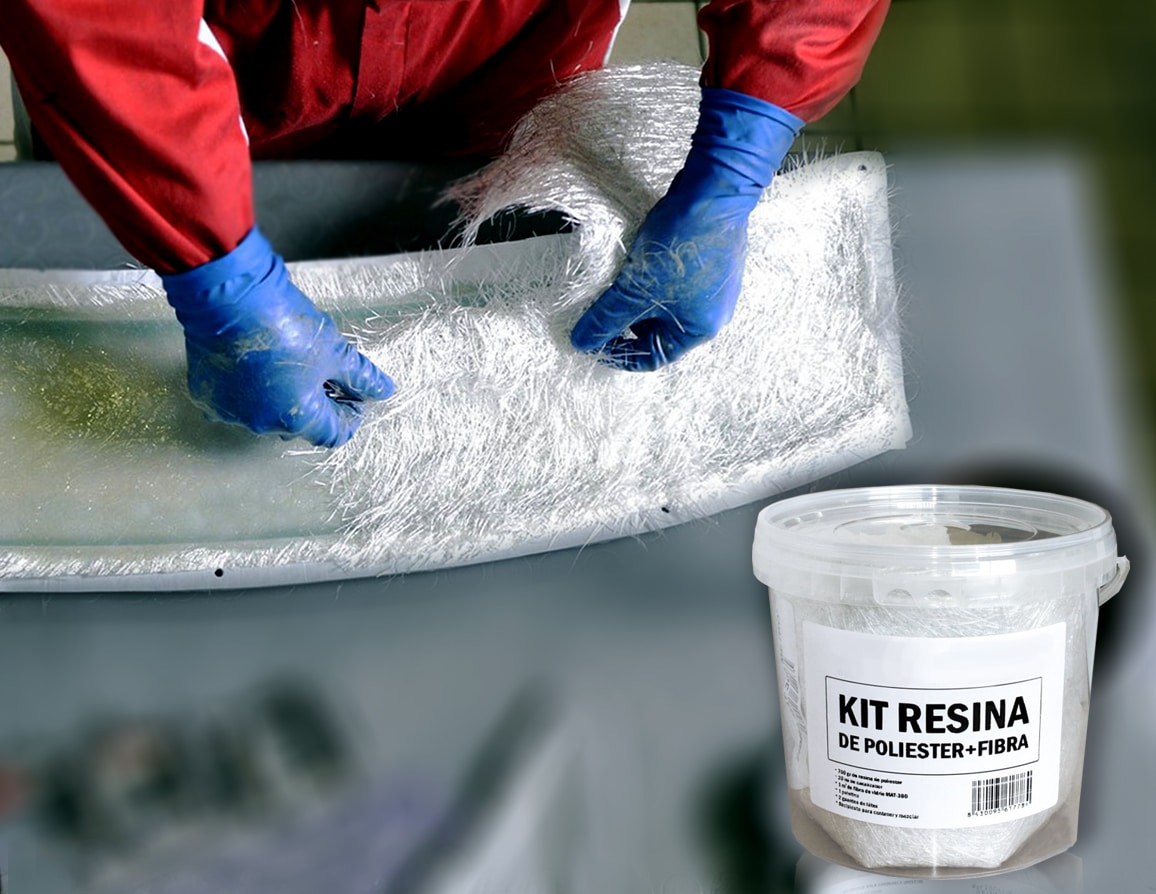
For many rapid repair scenarios, such as emergency anchor fixes or when working with metals and rigid plastics, a fast-setting product like the FixExpress Epoxy Glue is a top option. Its strong mechanical grip and quick drying nature make it valuable for both professional and DIY jobs. On the other hand, polyester resin products, like the Resin Fibreglass Repair Kit, are ideal for broader structural applications where a fully waterproof and durable bond is essential, such as on boats or swimming pools.
When Does the Difference Matter?
The gap between epoxy glue and polyester resin becomes most noticeable when timing or environmental exposure plays a role. If you need instant strength and the ability to work across different materials, epoxy glue leads. For larger repairs or environments exposed to moisture, polyester resin’s weather-resistant qualities can be a decisive factor.
Related products
Related guides
Understanding the respective strengths of epoxy glue and polyester resin ensures your anchor fixings deliver lasting results. For further insight into adhesive solutions for traditional and modern fixings, explore our full guide on how Fischer anchors were fixed before resins.