 Free shipping on orders over £29,85
  Shipping Tracking!


 Google
 Facebook
← Back to How much can I make with 1 kg of resin?
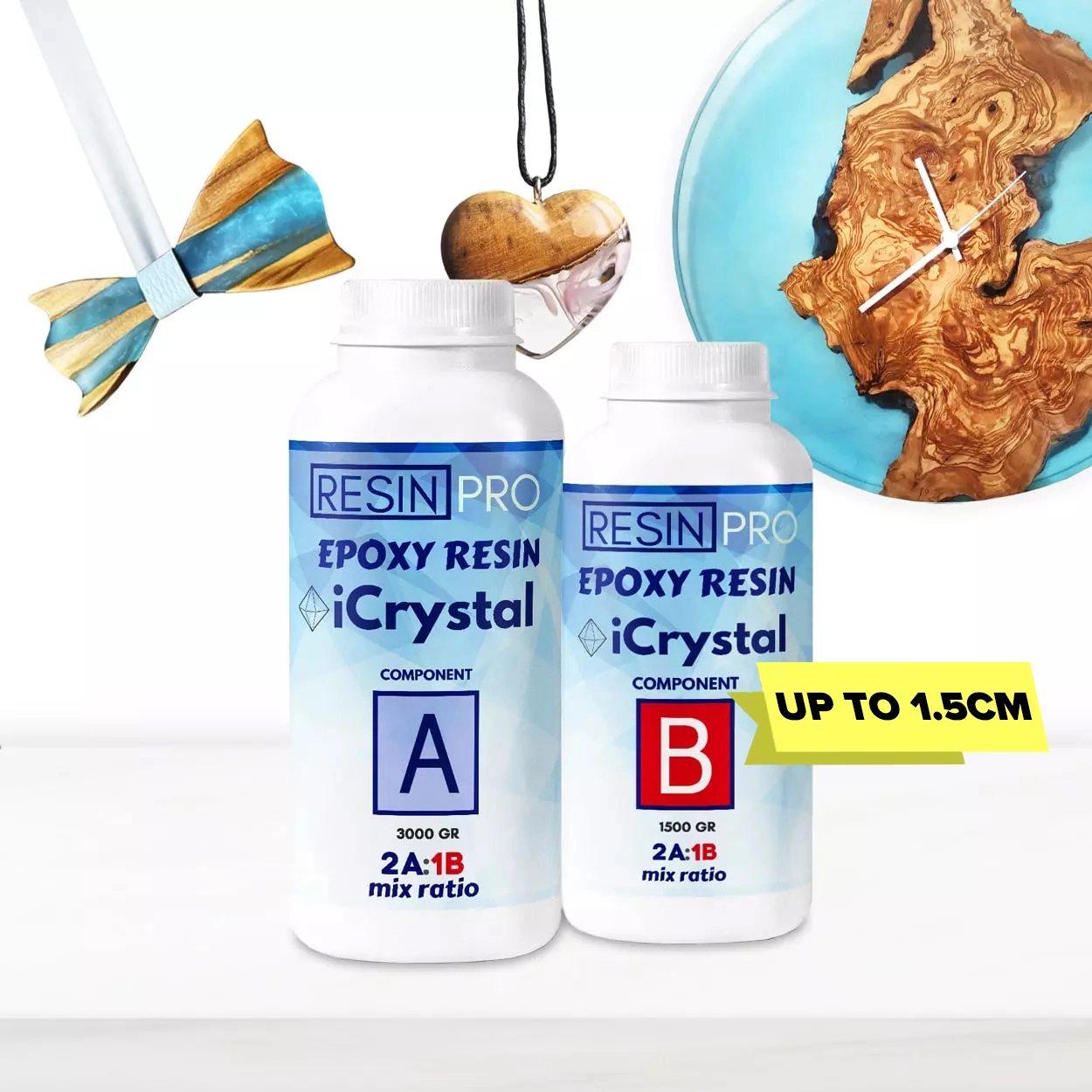

When working with epoxy resin, the recommended maximum layer thickness per pour is crucial for achieving optimal clarity and durability. For many popular resins, 1.5cm is the advised upper limit. Here’s how to get the best out of your resin projects at this thickness.
Why Layer Thickness Matters
Pouring resin in layers thicker than the specified limit can cause overheating, bubbles, or incomplete curing. Sticking to 1.5cm at a time helps ensure your piece cures evenly, remains crystal clear, and develops a professional finish. Using a resin like “Icrystal” Clear Epoxy Resin is ideal for this approach, as it’s specifically formulated for applications up to 1.5cm per pour and offers excellent clarity and odourless results.
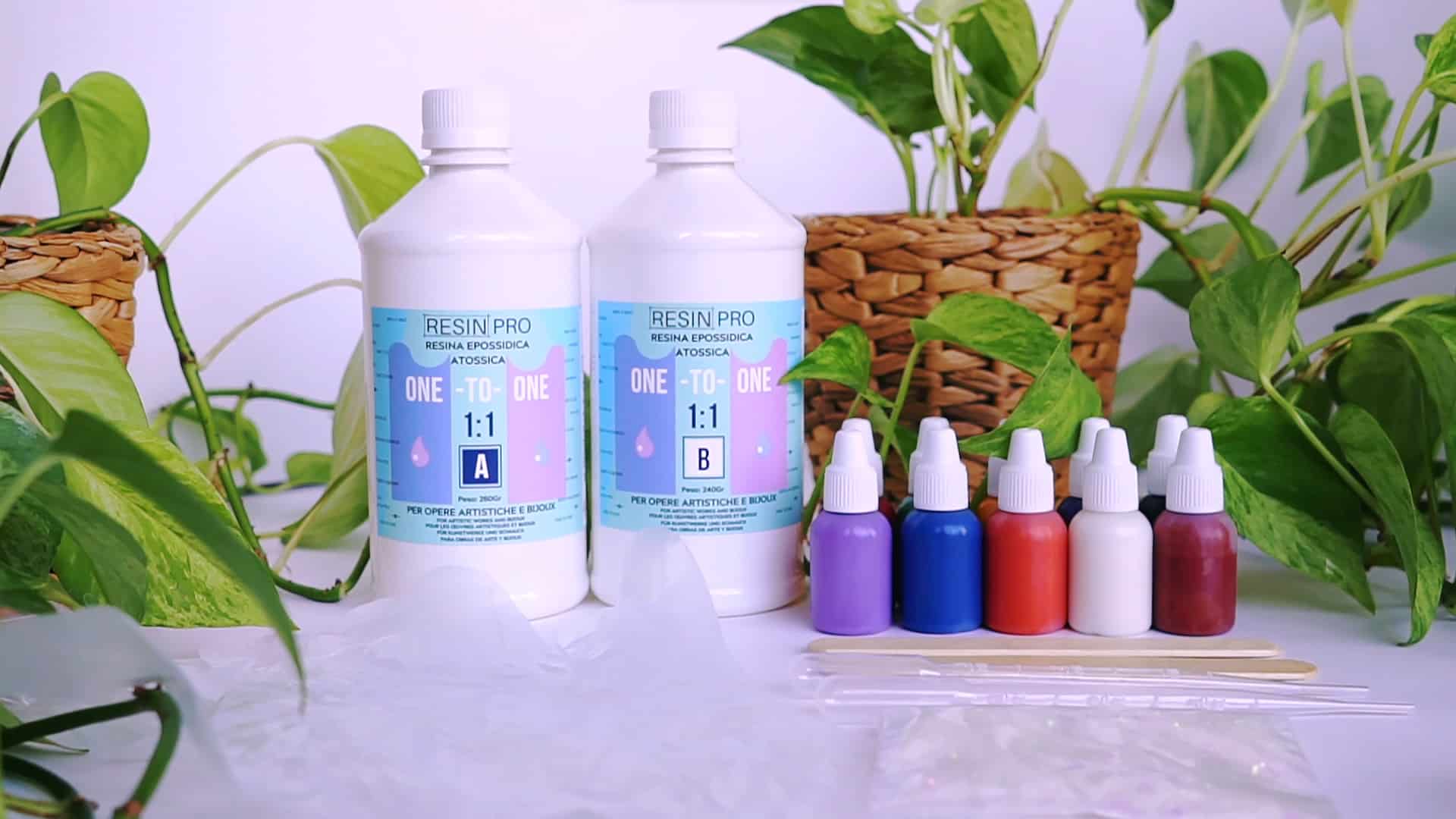
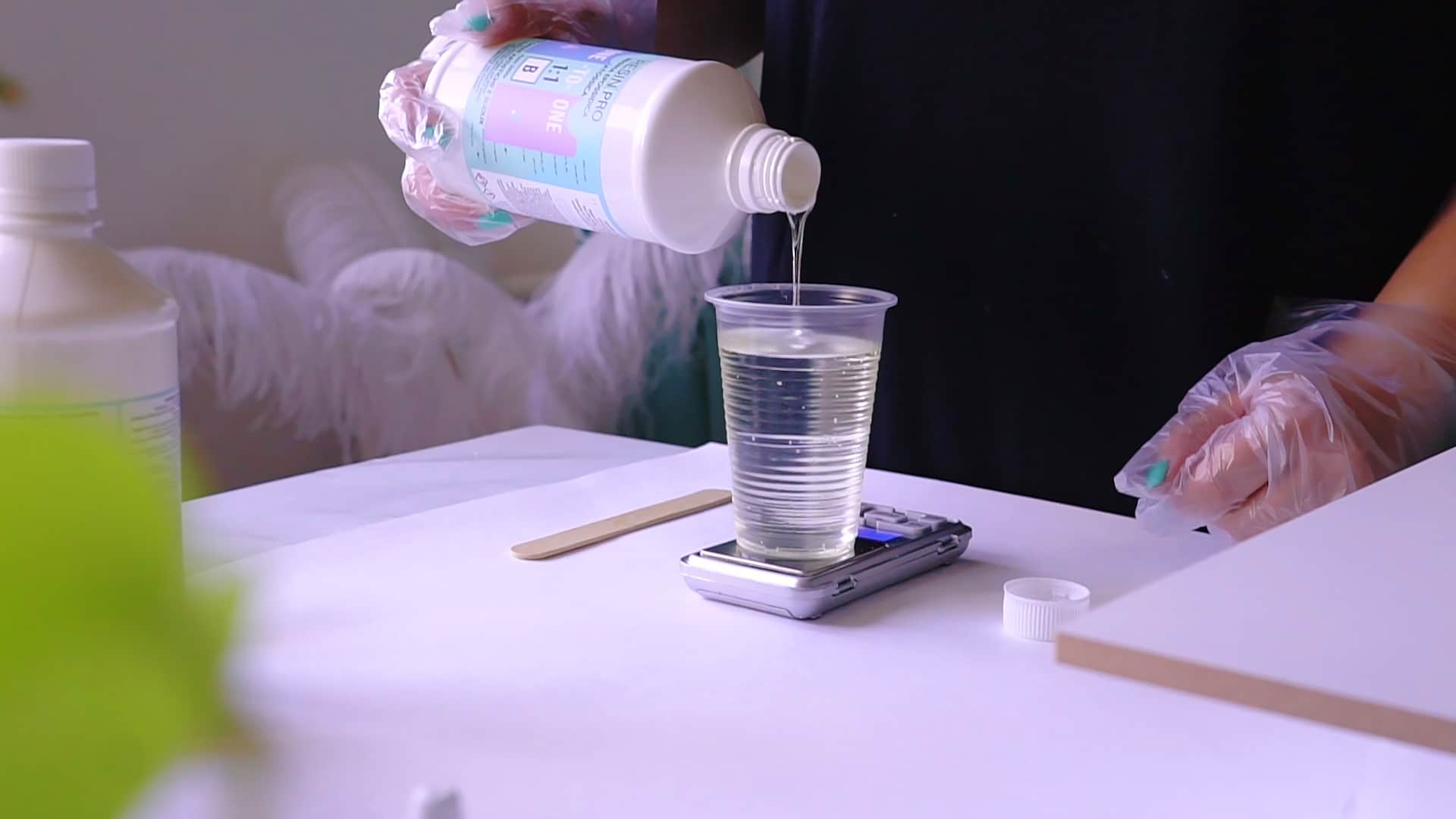
Tips for Pouring Multiple Layers
- Allow each 1.5cm layer to fully cure per the manufacturer’s instructions before adding the next.
- If you need depth beyond 1.5cm, build up your project with several pours rather than attempting one thick layer.
- Lightly sand between layers if needed to improve adhesion and blend any boundaries.
When This Matters Most
This limitation is especially important for table coatings, artistic pieces, jewellery, and any surface where clarity and a flawless finish are priorities. For very intricate moulds or pieces needing high scratch resistance, choosing a product like “Liquidissima” Epoxy Resin for Jewellery may also be beneficial, but remember that its ideal pour depth is 1cm per layer.

Related products
Related guides
Sticking to pours of up to 1.5cm helps you get professional, reliable results across a wide range of resin crafts. For more on working out quantities and getting the most from your resin kits, see our main guide on how much you can make with 1 kg of resin.