 Free shipping on orders over £29,85
  Shipping Tracking!


 Google
 Facebook
← Back to What is non-toxic epoxy paint called?

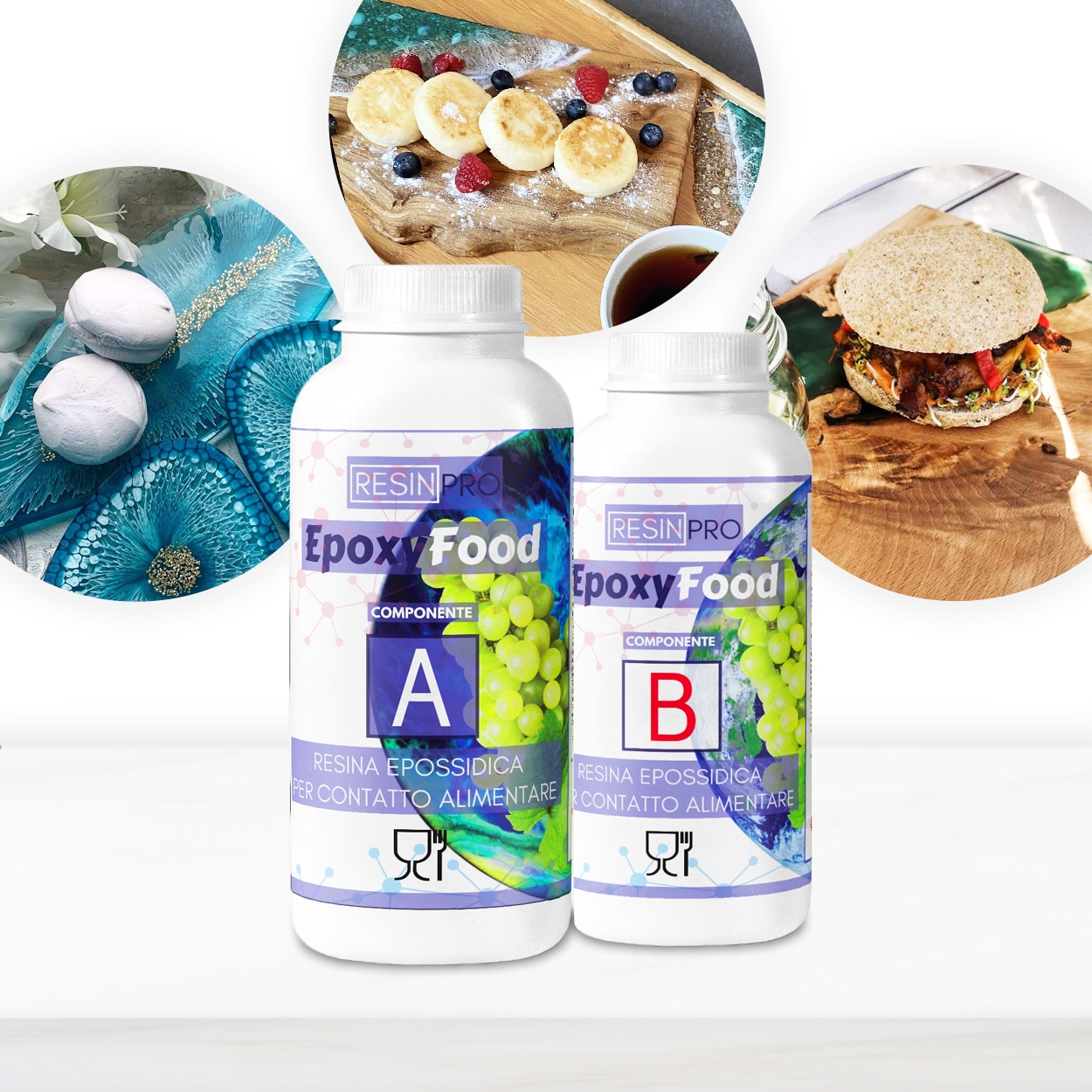
Achieving a long-lasting, durable finish with non-toxic epoxy products relies on excellent adhesion to the underlying surface. Proper adhesion ensures not just a smooth result, but also extends the life of your coating or artwork.
Why Adhesion Matters in Epoxy Projects
Superior adhesion creates a strong bond between your substrate—whether it’s concrete, timber, tile, or art projects—and the epoxy layer. This bond is vital to prevent peeling, bubbling, or premature wear, especially on floors, kitchen surfaces, or decorative panels. Non-toxic epoxies, such as water-based primers, are designed to offer both safety and high bonding strength for indoor use, free from harmful odours.
Preparation for Maximum Bond Strength
Preparation is the foundation for adhesion. Always clean and dry the surface—removing dust, grease, or previous coatings. For floors, use a primer such as Epoxyprimer Universal Water-Based Floor Primer to promote even adhesion on concrete, screed, tiles, or timber. When working with art projects, ensure that your base is free from oil or wax before pouring clear resin.
Choosing the Right Non-Toxic Epoxy for Your Project
Select an epoxy product that matches the application. Water-based primers are ideal for floors and large surfaces, while medium-viscosity clear resins like “Art Pro” are recommended for artistic coatings. For detailed castings or woodworking, a multipurpose clear resin such as “Trasparente” offers reliable adhesion and a glossy finish. Always follow mixing ratios specified by the manufacturer for best bonding results.

When This Matters Most
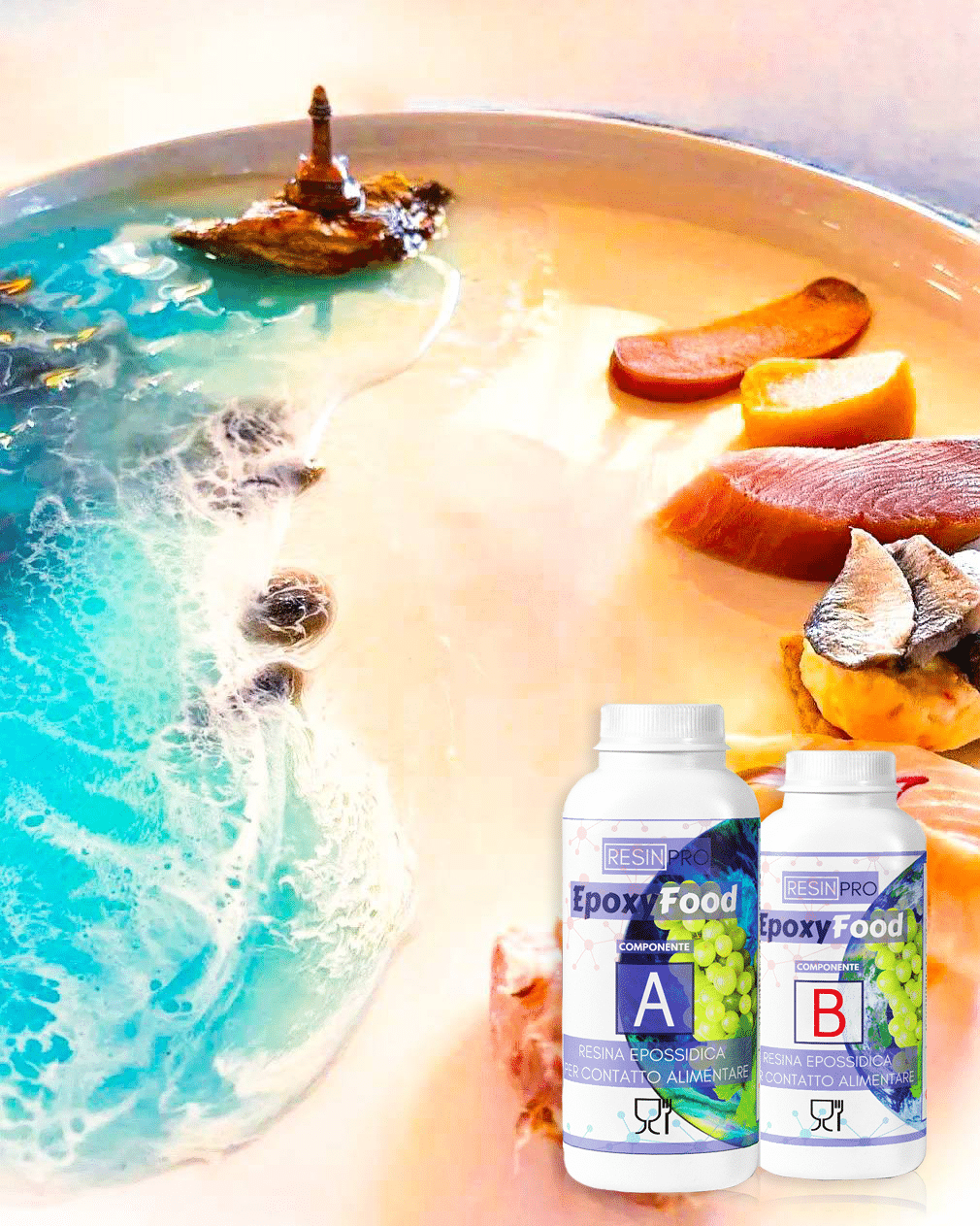
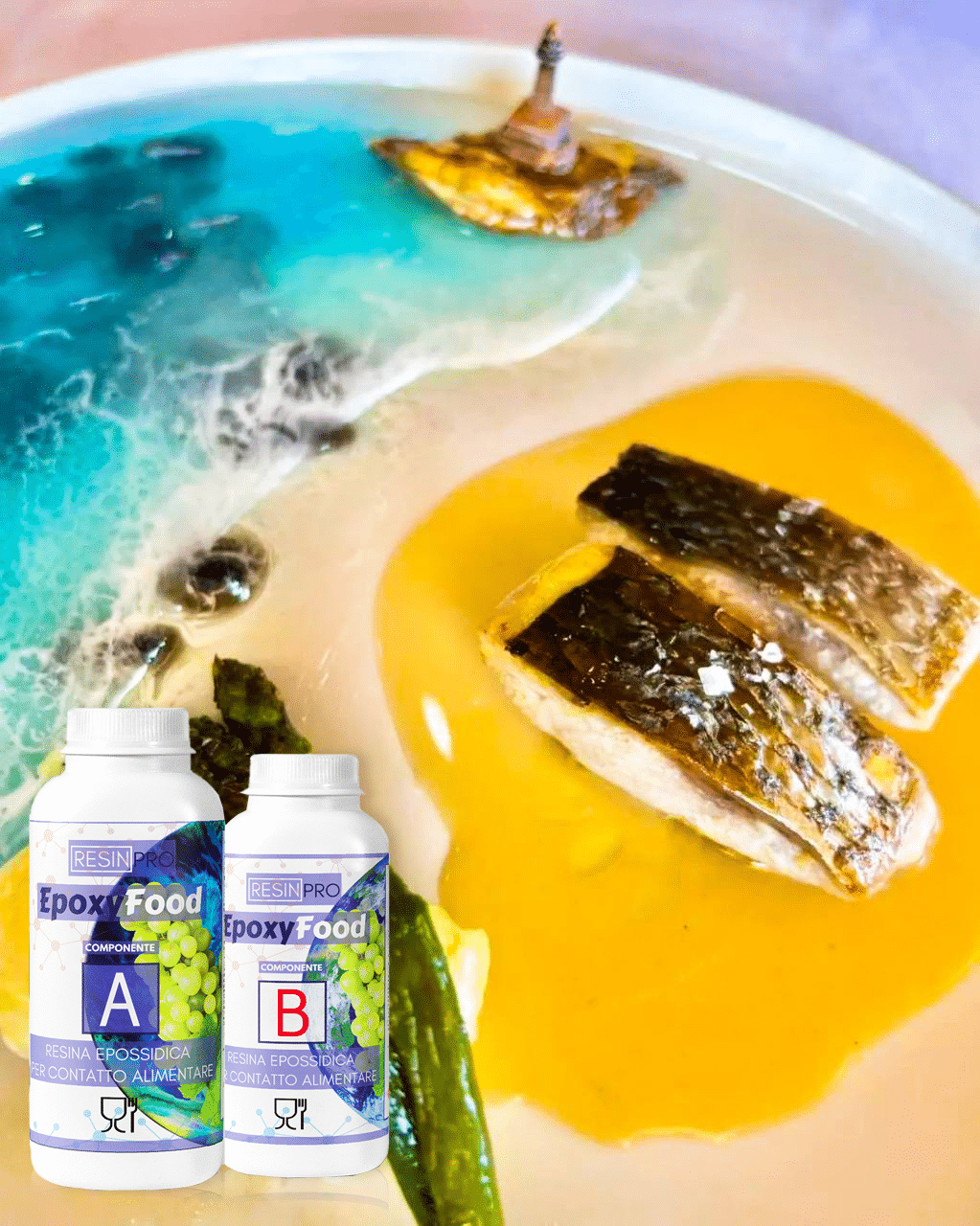
Superior adhesion is especially important in high-traffic areas, in food-safe applications, and where surfaces are regularly cleaned or exposed to moisture. Correct primer and resin selection helps avoid costly repairs and ensures your finish looks great for years.
Related products
Related guides
Focusing on adhesion when using non-toxic epoxy paints and primers ensures your surface or artwork remains stunning and durable. Explore more about non-toxic epoxy options and their applications on our main What is non-toxic epoxy paint called? hub.