 Free shipping on orders over £29,85
  Shipping Tracking!


 Google
 Facebook
How durable is a resin floor?
Compare resin flooring durability for indoor and outdoor use.
If you are considering a resin floor for your home, driveway, or business premises, understanding the durability of different resin systems is key to making the right choice. This page compares the longevity, protective qualities, and resistance of top-rated resin solutions, helping you select the best fit for concrete, tiles, driveways and more.
Different Resin Floor Products and Their Durability
Resin flooring can range from robust one-component sealants for concrete to multi-layer systems designed for outdoor or high-traffic environments. Durability depends on factors such as the resin type (e.g. methacrylic, polyurethane, epoxy), surface preparation, and environmental exposure. For example, single-component products offer fast, user-friendly protection, while two-component polyurethane and epoxy systems provide outstanding abrasion, weather, and chemical resistance. Systems designed for permeability add longevity by preventing water pooling and freeze-thaw damage. Choosing the right resin product ensures a floor that stands up to wear and weather year after year.

Real-world Durability in Action
See how resin floors withstand daily wear and exposure, from busy home driveways to public walkways. Their mechanical resistance and weatherproof qualities make them stand out for both professionals and DIYers tackling UK climates.
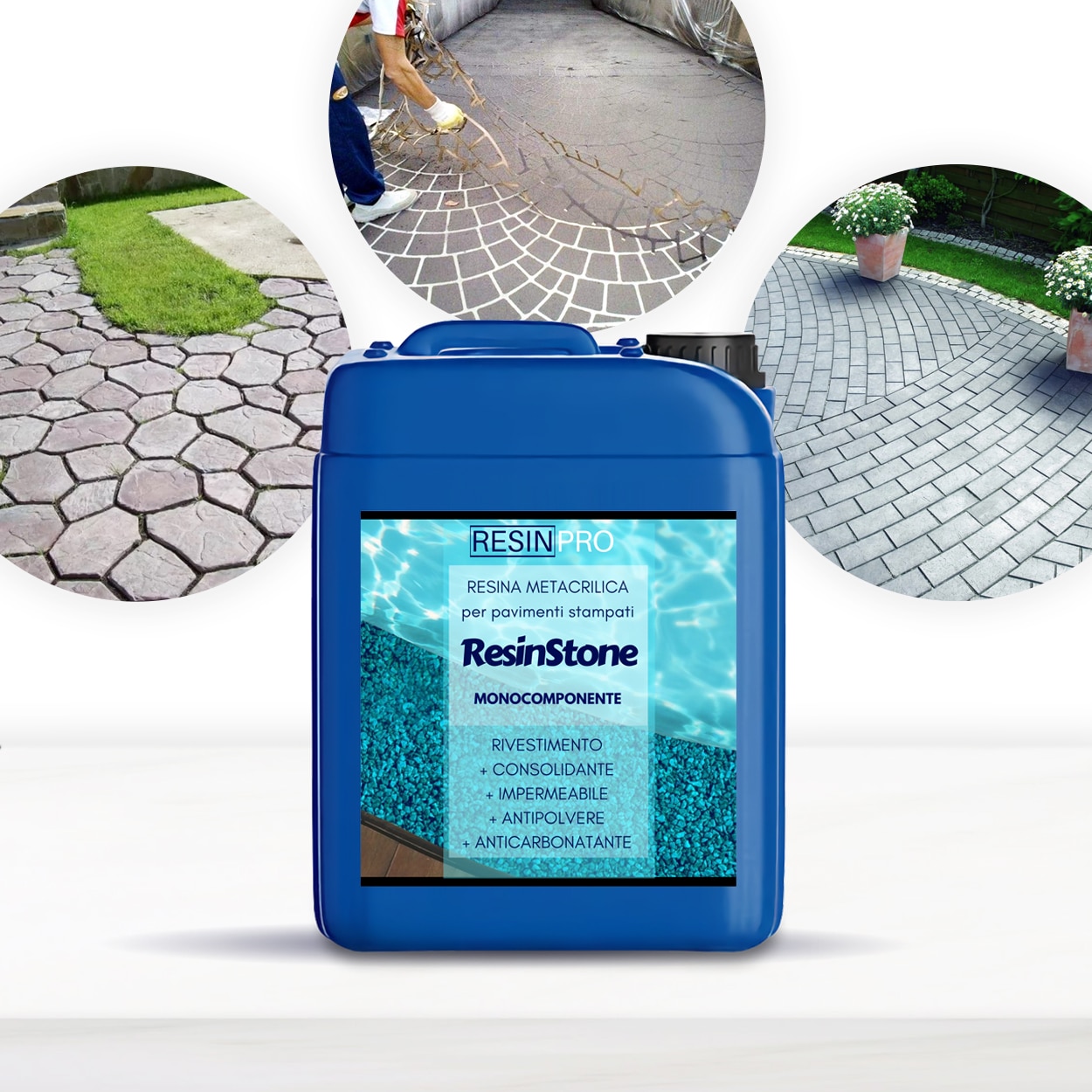
“Resinstone” – One-Component Methacrylic Resin for Concrete Floors and Driveways
“Resinstone” – One-Component Methacrylic Resin for Concrete Floors and Driveways is specially made for sealing and protecting concrete floors and driveways—ideal for garages, patios, and outdoor paths. It offers Durable protection by deeply penetrating absorbent surfaces, providing a Waterproof yet breathable barrier that blocks moisture while letting the floor breathe. With superior mechanical resistance, it stands up to scratches, UV rays, oils, and changing weather. One of the standout features is its quick drying time—ready for use in less than 12 hours, making it excellent for both professionals and DIYers.
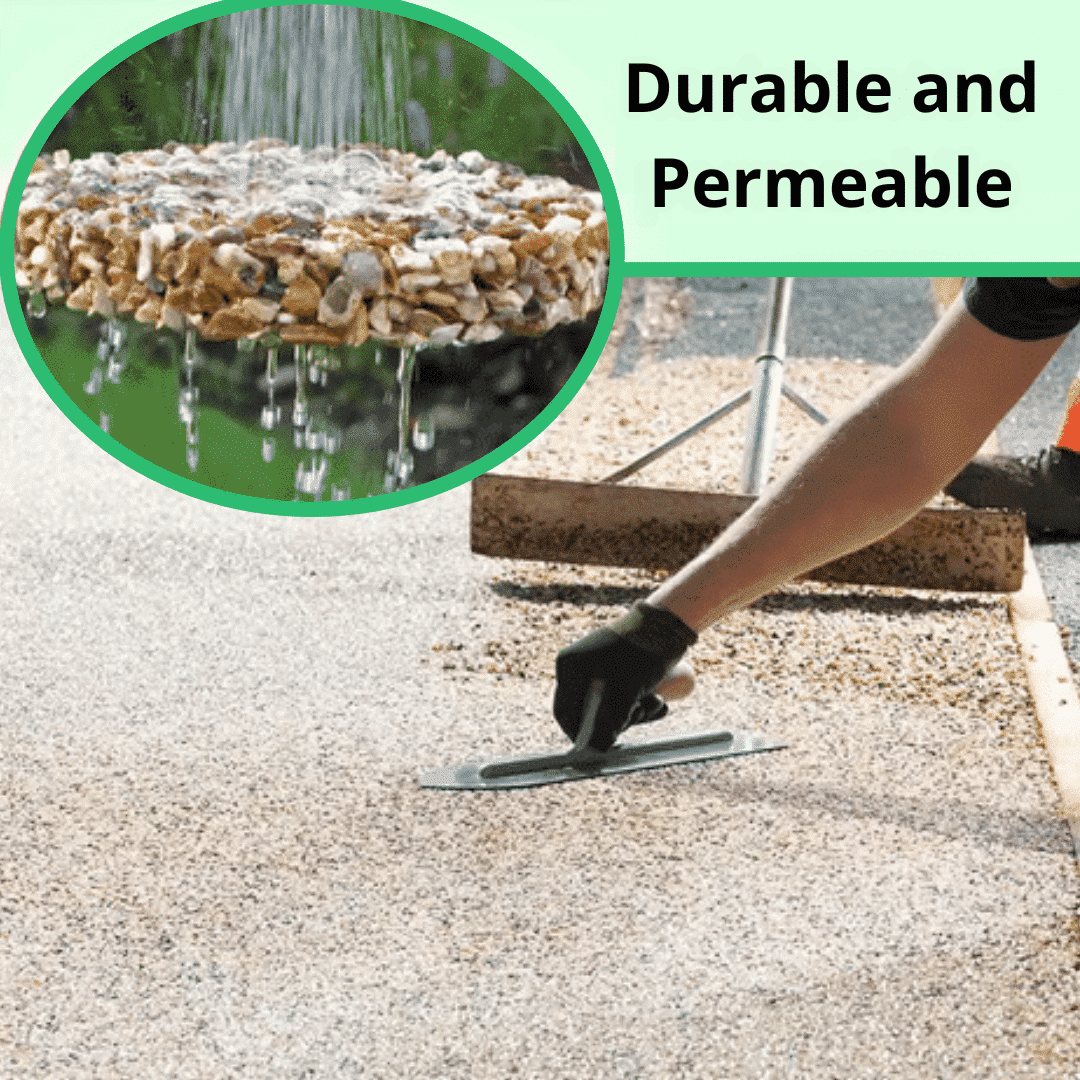
“Flowstone” – Complete Permeable Floor Kit with Pebbles and Resin
If you want long-lasting, water-draining surfaces for driveways, paths, or patios, “Flowstone” – Complete Permeable Floor Kit with Pebbles and Resin offers a truly durable and practical solution. The system uses a resin binder (epoxy for coloured pebbles, polyurethane for white stones) to create a continuous, non-slip, weatherproof, and Permeable solution that allows water through the floor—preventing puddles, flooding, and frost damage. Its robust design makes it perfect for UK climates, handling both frequent rain and regular vehicle or foot traffic.
“Prolux” – PU Coating for Tiles, Concrete, Plastic, and Metal
For flooring in high-traffic or demanding areas, “Prolux” – PU coating for tiles, concrete, plastic and metal – suitable for driveable surfaces provides Advanced protection. This two-component polyurethane system creates a highly durable, UV-resistant, and abrasion-proof finish. Suitable for outdoor parking spots, warehouses and prepared steel floors, it is certified to EN 1504-2 standards and resists staining and yellowing from sunlight. The finish is available in a wide choice of colours, gloss or satin, and can be made anti-slip for extra safety.
“Epoxyprimer” – Universal Water-Based Two-Component Epoxy Floor Primer
While not a topcoat itself, “Epoxyprimer” – Universal Water-Based Two-Component Epoxy Floor Primer is essential for enhancing the durability of your resin floor. It provides Superior adhesion and prepares the substrate, ensuring that resin coatings grip securely to concrete, tiles, wood or screed. Its Eco-friendly & odourless nature makes it ideal for safe indoor use. This primer reduces the risk of delamination or peeling over time, setting the stage for a long-lasting, problem-free resin floor.
What Impacts Resin Floor Durability?
Several factors affect resin floor longevity. Correct surface preparation—using a primer such as Epoxyprimer—is crucial to avoid adhesion failures. Other important considerations include choosing the product (methacrylic, polyurethane, or epoxy) suited to the intended use and environment, taking into account UV exposure, chemical contact, expected foot or vehicle traffic, and whether water drainage is needed. Applying resin in suitable temperature and humidity conditions maximises curing and longevity. Lastly, proper maintenance, such as prompt cleaning of spills and regular visual checks for wear, ensures your resin floor performs for years.
Optimising Longevity for Your Resin Floor
Expert installers recommend pairing Epoxyprimer with compatible resin topcoats and allowing correct cure times. This builds a robust, reliable flooring system tailored for your chosen space.
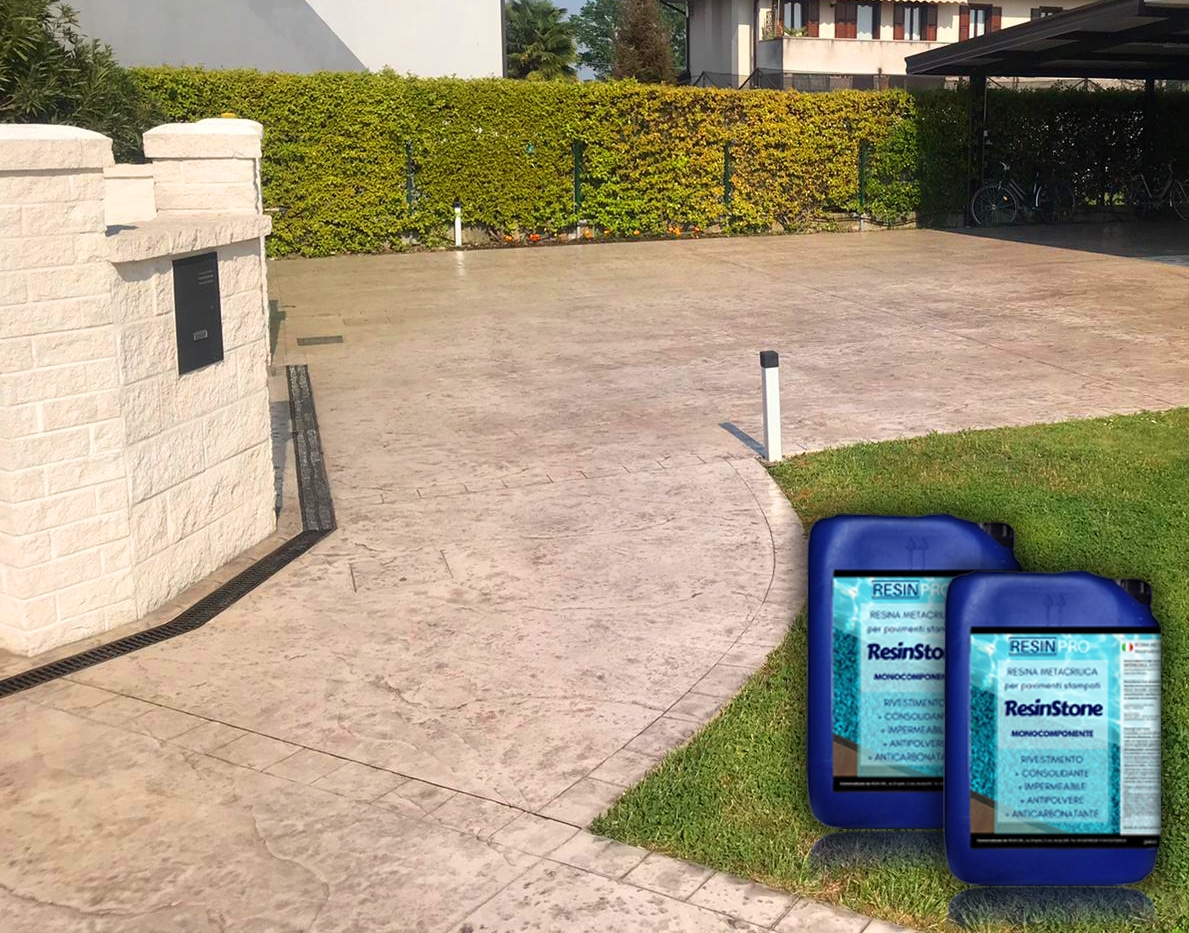
- "Resinstone" – One-Component Methacrylic Resin for Concrete Floors and DrivewaysPrice range: £36.71 through £336.48"Resinstone" is a one-component methacrylic resin designed for sealing concrete floors and driveways, suitable for durable, moisture-resistant…
- "Flowstone" – Complete Permeable Floor Kit with Pebbles and ResinPrice range: £49.95 through £3,915.45A durable, permeable pebble and resin kit for driveways, footpaths, and patios designed for UK climates, with simple application guidance.
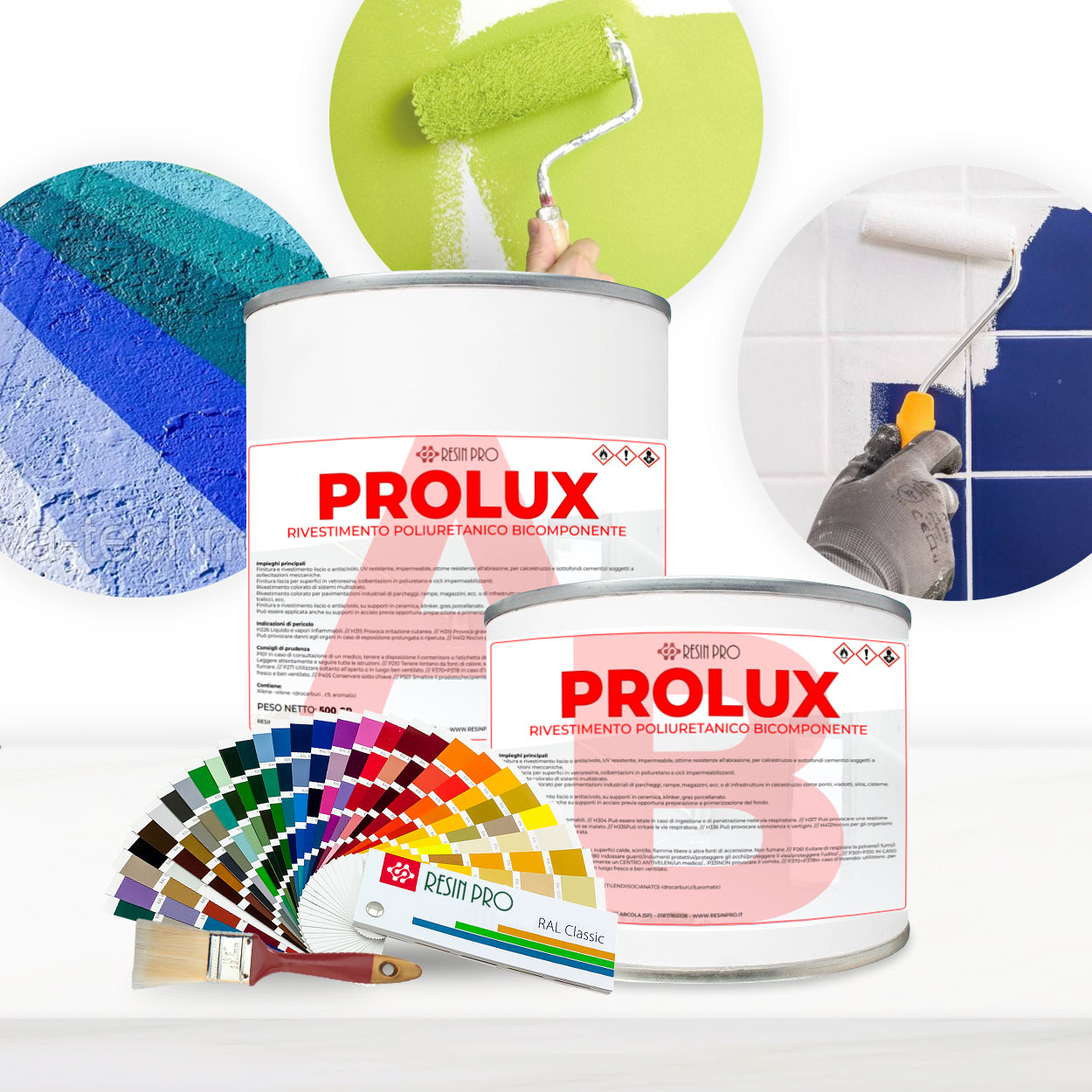 "Prolux" – PU coating for tiles, concrete, plastic and metal – suitable for driveable surfacesPrice range: £44.85 through £494.85"Prolux" offers a tough polyurethane finish with resistance to wear, suitable for floors and various surfaces in line with durability considerations.
 "Epoxyprimer" – Universal Water-Based Two-Component Epoxy Floor PrimerPrice range: £156.45 through £286.45Epoxyprimer is a water-based two-component epoxy floor primer designed for reliable adhesion and durable resin floors.
Frequently Asked Questions
Does a resin floor withstand weather and foot traffic?
Yes, modern resin floors are designed for high durability, handling daily use, footfall and weather in both indoor and outdoor environments.
What is the best type of resin for driveways?
Permeable resin systems with polyurethane or low-yellowing epoxy binders are best for driveways as they resist traffic, weather, and water pooling.
How do I maintain the durability of my resin floor?
Regular cleaning, prompt removal of chemical spills, and visual inspections protect your resin floor's finish and lifespan.
Do I need a primer for my resin floor?
Using a primer greatly improves adhesion, prevents peeling, and prolongs the durability of resin coatings on concrete, tiles, or screed.
What is the difference between methacrylic, polyurethane, and epoxy resin?
Methacrylic resins provide quick-drying concrete sealing, while polyurethane and epoxy offer advanced abrasion and chemical resistance for driveable or industrial floors.
Will resin floors yellow with outdoor exposure?
High-quality polyurethane and low-yellowing epoxy resins reduce yellowing and maintain colour even in outdoor, sun-exposed applications.