 Free shipping on orders over £29,85
  Shipping Tracking!


 Google
 Facebook
← Back to How do you resin-coat a walking surface?

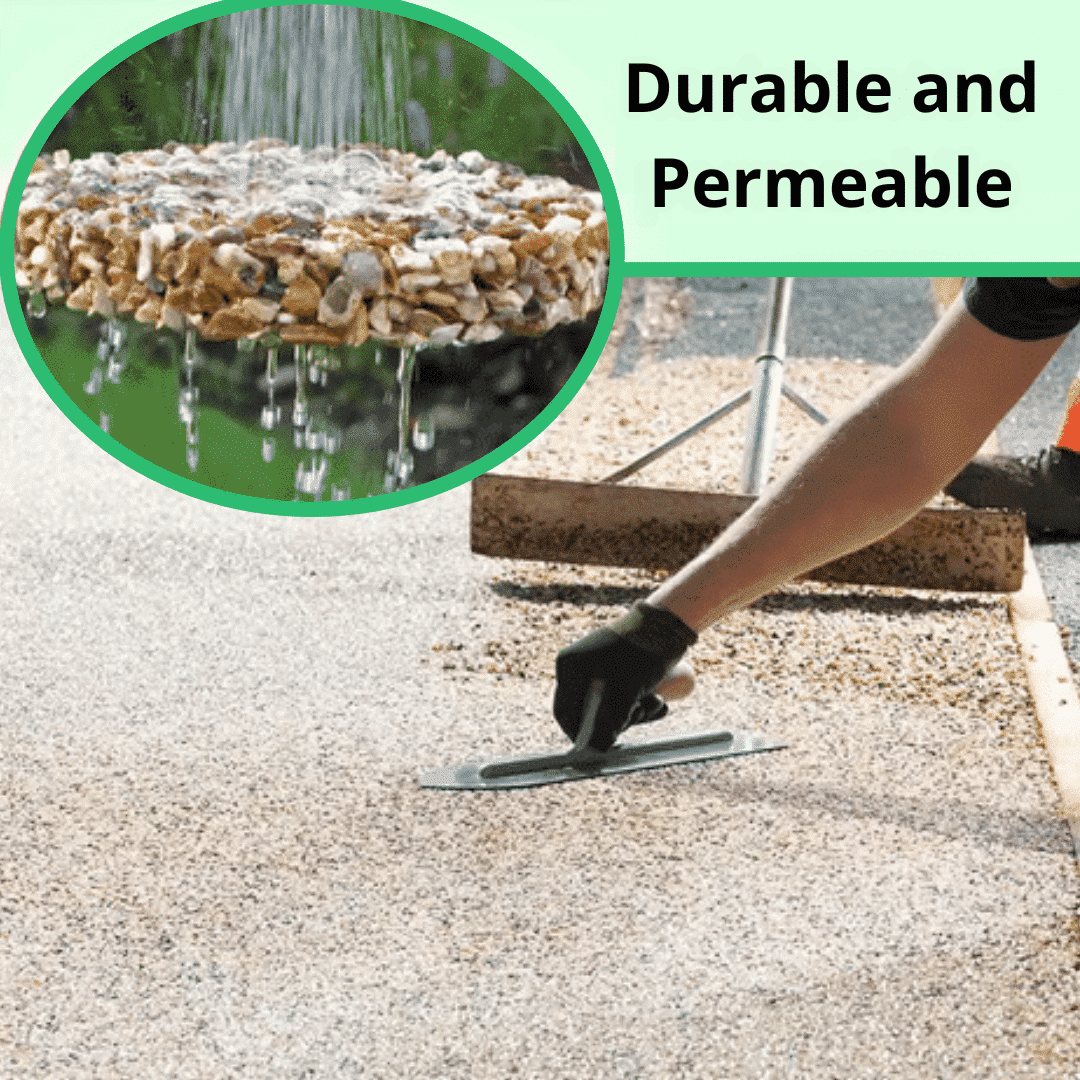
Properly preparing a surface is the key to achieving a long-lasting, attractive resin finish. Whether you’re working on concrete, timber, tiles or screed, attention to detail during preparation will maximise adhesion and the durability of your resin coating.
Cleaning and Assessing the Substrate
Begin by thoroughly cleaning the entire area. Remove all dust, dirt, oils, moss and any loose or flaking materials. Any contamination can interfere with how well the resin bonds, potentially leading to delamination or a patchy appearance. If the substrate is damp or shows signs of rising moisture, allow it to dry fully before proceeding. For outdoor spaces, ensure the surface is both stable and free from cracks or movement, as instability can compromise the resin finish.
Choosing and Applying the Right Primer
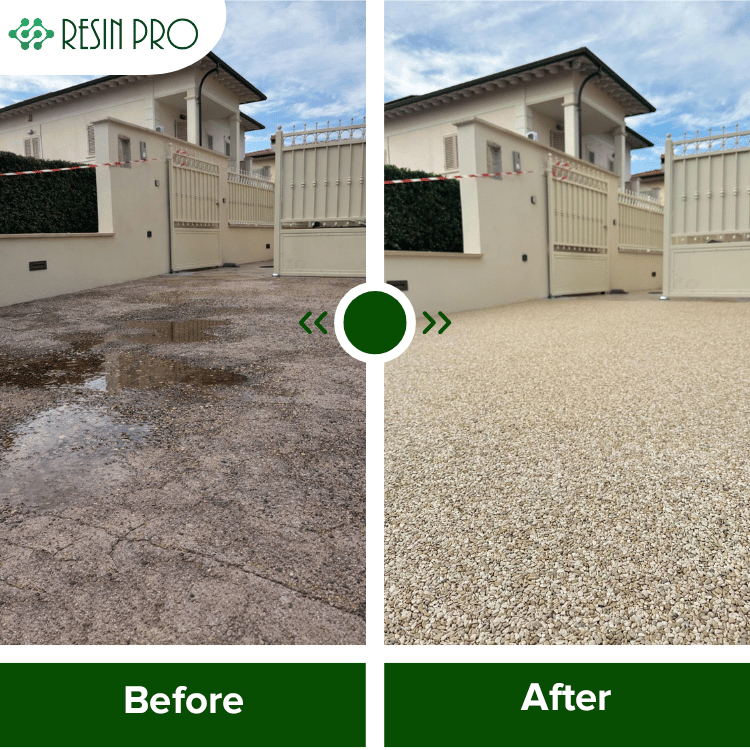
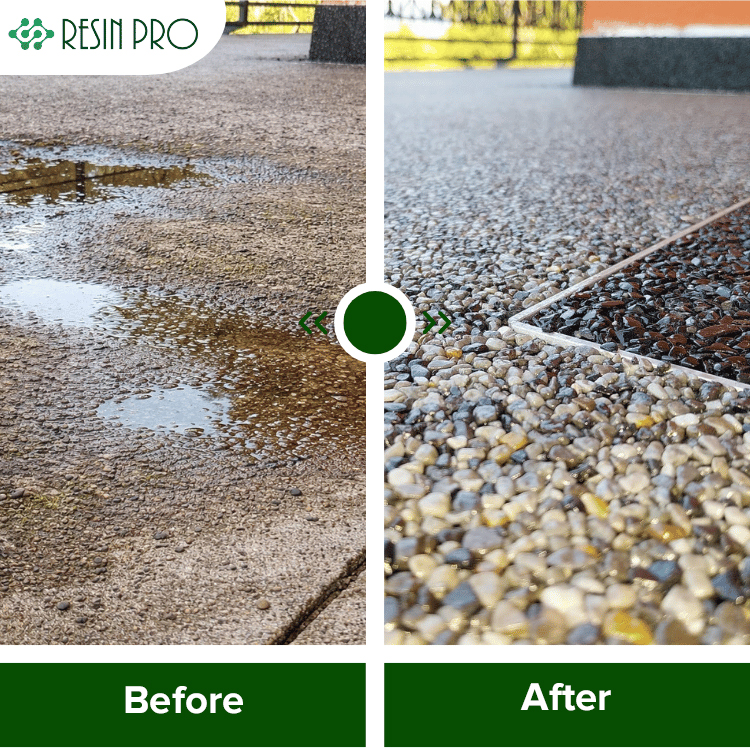
Priming is an important step to help the resin adhere securely and create a reliable base. A versatile option such as Epoxyprimer is suitable for concrete, screed, tiles, and timber, and can be rolled, brushed or applied with a spatula for an even finish. Follow the product guidance for curing times—typically 24 to 48 hours—before applying the resin layer. Primers not only promote adhesion but also help even out absorbency and seal any micro-porosity in the base material.
When Careful Preparation Matters Most
Meticulous surface preparation is especially crucial in high-traffic areas like driveways or paths, and where weather exposure increases the risk of water ingress. Any shortcut at this stage can quickly lead to visible flaws or premature wear on your resin-coated walking surface.
Related products
Related guides
Preparing your surface with care forms the essential foundation for any successful resin-coating project. For a step-by-step guide on the full resin-coating process, return to our main page on how to resin-coat a walking surface.