 Free shipping on orders over £29,85
  Shipping Tracking!


 Google
 Facebook
← Back to What are the main thermoplastic and thermosetting resins?
Thermosetting resins are a fundamental group of materials widely used in casting, moulding, and repair due to their excellent durability and stability once cured. Unlike thermoplastics, these resins form permanent bonds through their chemical reaction, making them ideal for robust or high-detail projects.
What Are Thermosetting Resins?
Thermosetting resins start as liquid or paste materials that, when combined with a hardener or catalyst, undergo an irreversible chemical reaction. Once set, these materials cannot be melted or reshaped by heat. Key examples include polyurethane, polyester, epoxy, and silicone resins. Each of these is designed to deliver strong, stable, and heat-resistant results once fully cured.
Common Types and Practical Uses
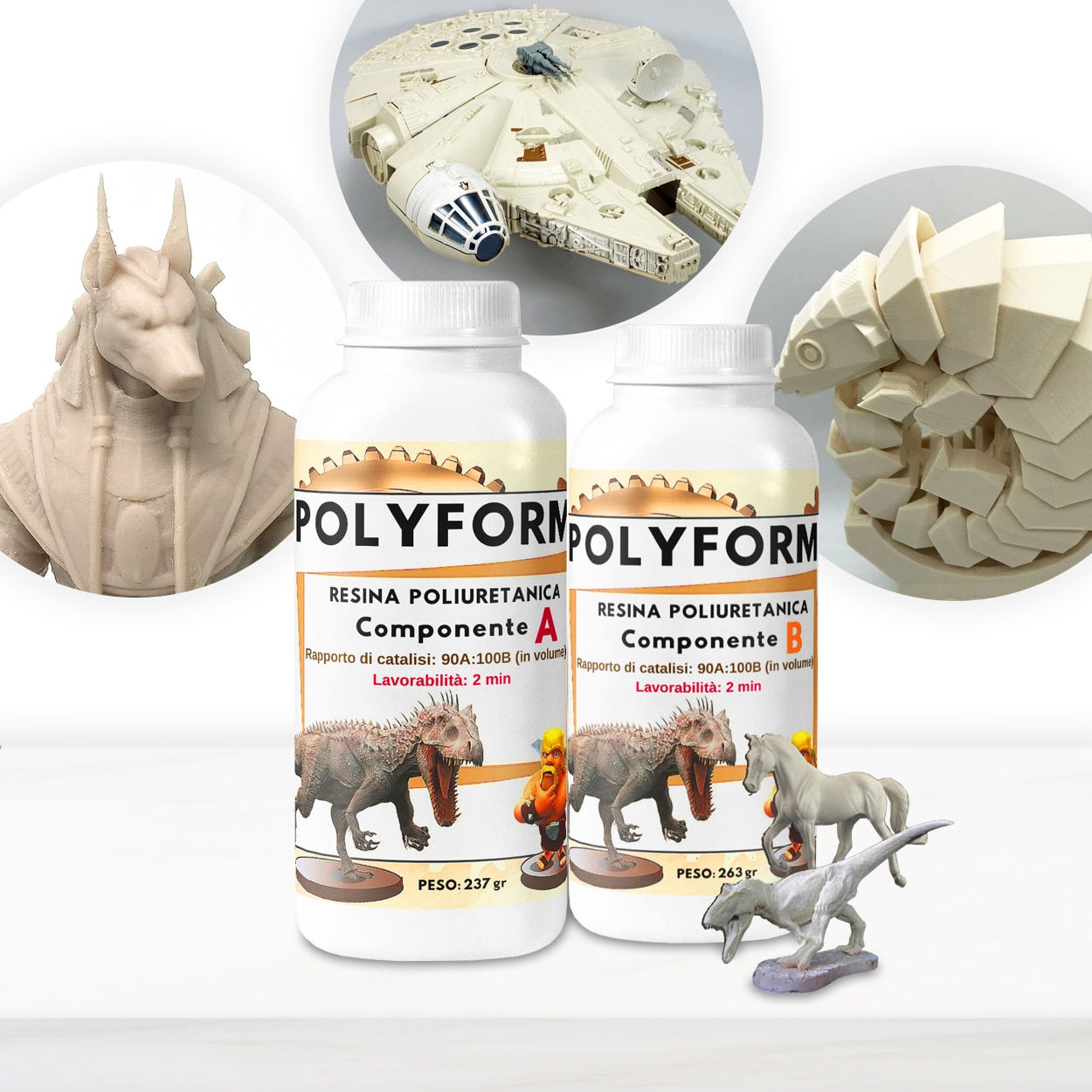
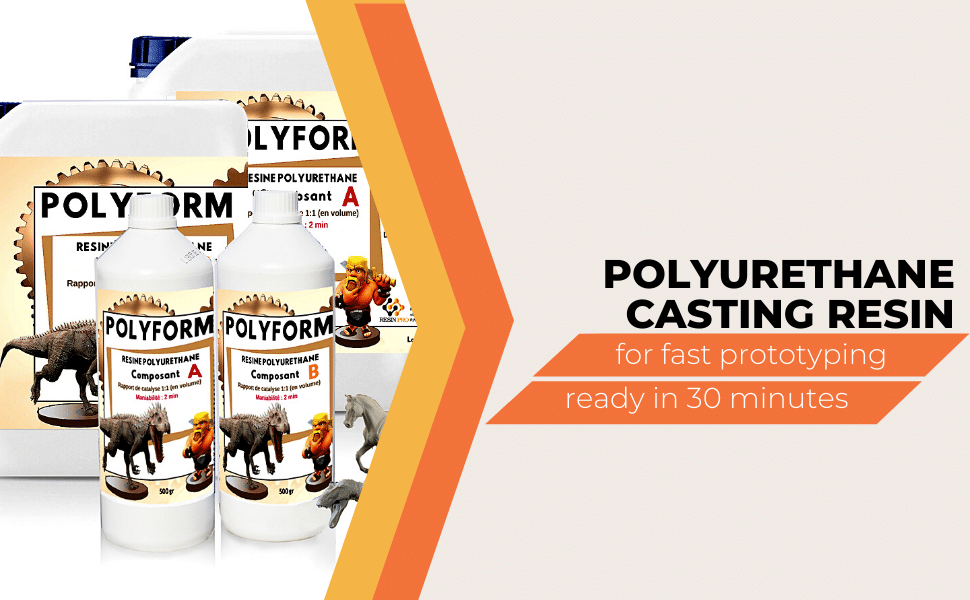
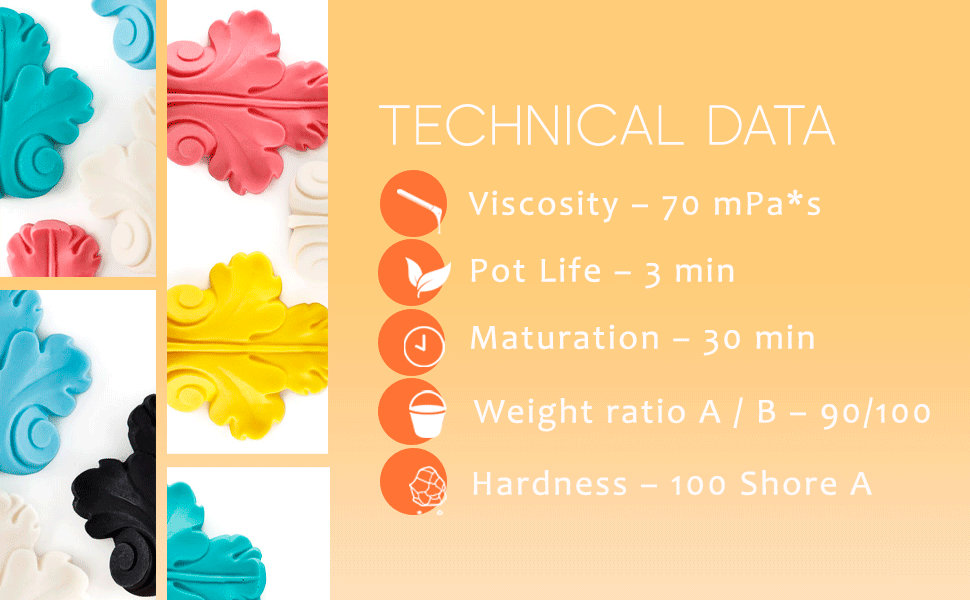
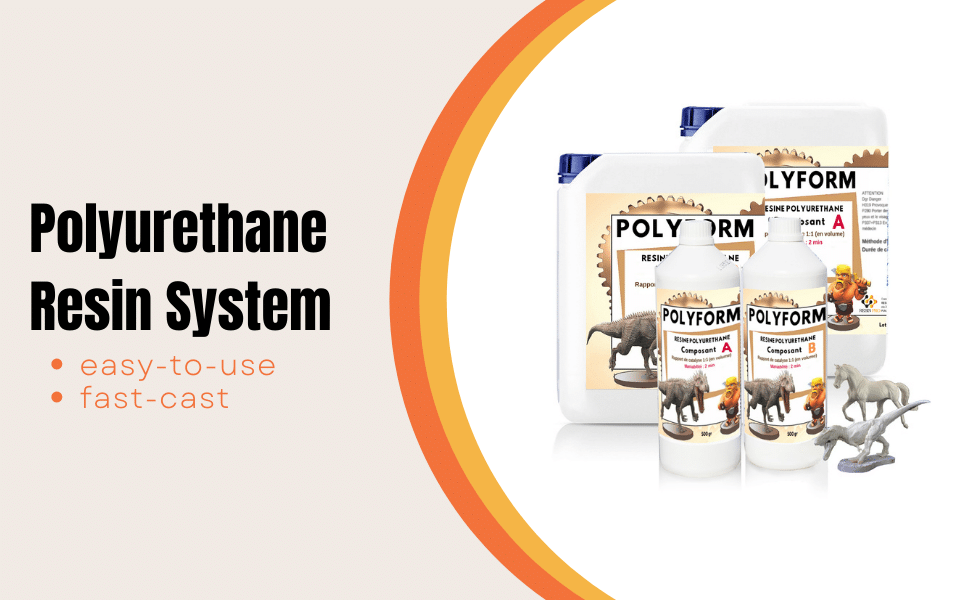
- Polyurethane resins: Often selected for rapid prototyping and small batch castings thanks to fast setting times and durability. Products like Polyform are valued for precision and robust finishes.
- Polyester resins: Frequently used in combination with fibreglass for waterproof and impact-resistant repairs, perfect for boats, pools, and pipework.
- Silicone resins: Especially platinum-cured silicones, are ideal for creating detailed and reusable moulds compatible with numerous casting materials.
When This Matters
Thermosetting resins are most important when you need a finished piece that will not warp or deform with temperature changes. They’re best chosen for items that require precision, long-lasting strength, and for environments where the finished part may be exposed to moderate heat, water, or pressure.

Related products
Related guides
Thermosetting resins play a vital role in fields ranging from creative craftwork to serious industrial prototyping. For more insights and to see how these compare to thermoplastic resins, explore our main resin types guide.