 Free shipping on orders over £29,85
  Shipping Tracking!


 Google
 Facebook
← Back to How do you thin resin?
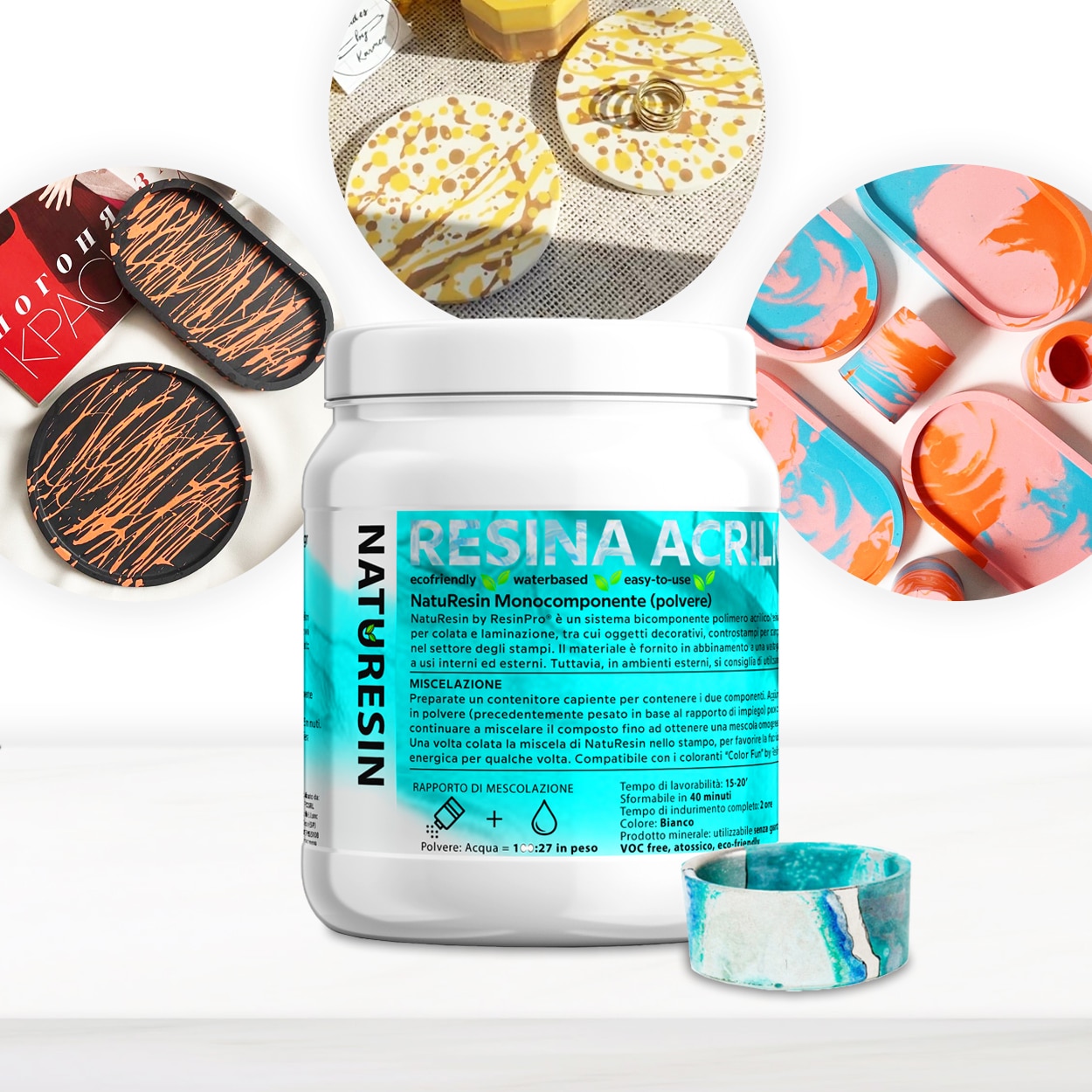
Thinning resin can unlock a range of unique effects and make creating resin art easier. The right method depends on the type of resin and the finish you hope to achieve.
Choosing the Right Thinning Method
Water-based resins, like NatuResin, can be safely thinned by simply mixing in tap water. This alters the resin’s consistency, allowing delicate pours for detailed casts or washed-out effects without adding solvents. In contrast, epoxy resins require more care: rather than mixing liquids to thin the resin itself, artists often use isopropyl alcohol as a fine surface spray. This helps manipulate the top layer, creating subtle, artistic variations while avoiding changes to the fundamental cure and strength of the resin.
Practical Tips for Applying Thinners
When using water to thin water-based resin, add it gradually until the desired consistency is reached. For epoxy, decant some isopropyl alcohol into a spray bottle and mist over wet resin to achieve lacing or spread pigments for dynamic effects. Always work in a well-ventilated space and keep isopropyl alcohol away from open flames or heat sources.
- Never add alcohol directly into uncured epoxy resin
- Check your resin manufacturer’s guidelines before experimenting
- Test techniques on small projects first
When Does Thinning Resin Matter?
Thinning resin is key for pouring into intricate moulds, achieving watercolour-like backgrounds, or softening edges in your designs. It is particularly valuable for artists creating layered effects or delicate surface details that standard, thicker resin mixes cannot deliver.
Related products
Related guides
Understanding how and when to thin resin safely can open up new possibilities in resin art and crafts. For a full overview of thinning techniques and product choices, see our main guide at the How do you thin resin? hub.