 Free shipping on orders over £29,85
  Shipping Tracking!


 Google
 Facebook
← Back to How to make moulds for resin?
Before pouring resin into your mould, a careful inspection can be the difference between flawless results and wasted material. Ensuring your mould is free from hidden flaws, air pockets, or tricky undercuts helps you achieve crisp, bubble-free casts every time.
Identifying Common Mould Issues
Look closely for visible defects like tears, pinholes, or uneven surfaces. Undercuts—areas where the mould curves back on itself—can trap resin or make unmoulding difficult, risking breakage or loss of detail. Run your fingers along the surface to detect any irregularities and check that all edges are clean and intact.
Preparation Tips for Successful Resin Casting
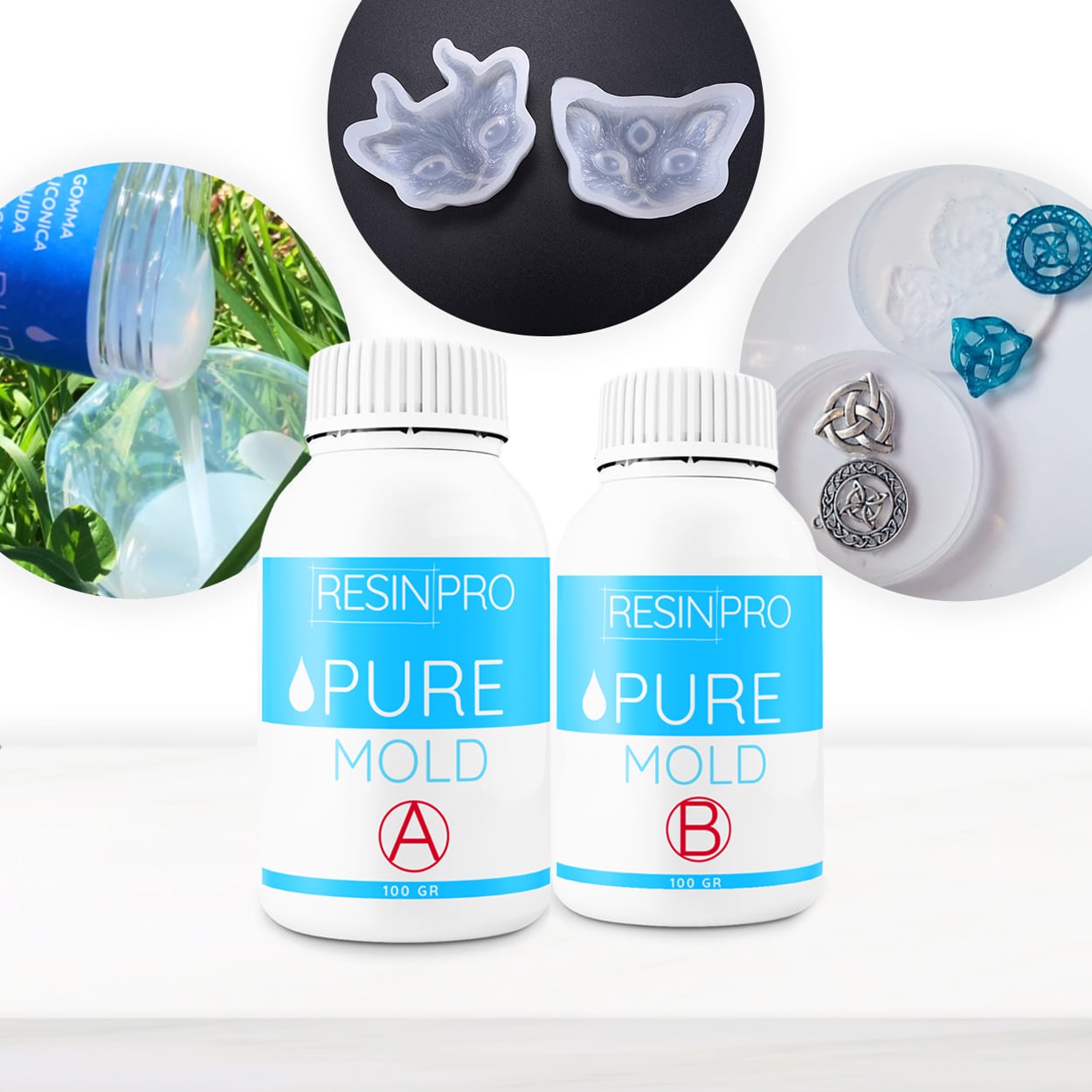
Even high-quality silicone, such as the Pure Mould rubber, benefits from a quick inspection before each use. Make sure the mould is dry and dust-free. For detailed or intricate designs, consider brushing in a light release agent to help the cured resin release cleanly. Avoid using damaged or worn-out moulds with resin, as they can cause leaks or surface imperfections.
When This Matters Most
- You’re casting with expensive or intricate resins.
- The mould will produce items where surface detail is especially important, such as jewellery or keepsakes.
- You’re using reusable moulds for several projects and want consistently high-quality results.
Related products
Related guides
By checking your mould thoroughly before each cast, you’ll reduce wasted resin and enjoy sharp, clean creations. This simple habit forms part of the careful preparation needed for all successful resin mould making. For more helpful tips, see our main guide on how to make moulds for resin.