 Free shipping on orders over £29,85
  Shipping Tracking!


 Google
 Facebook
← Back to For tiles, is resin-based or water-based better?
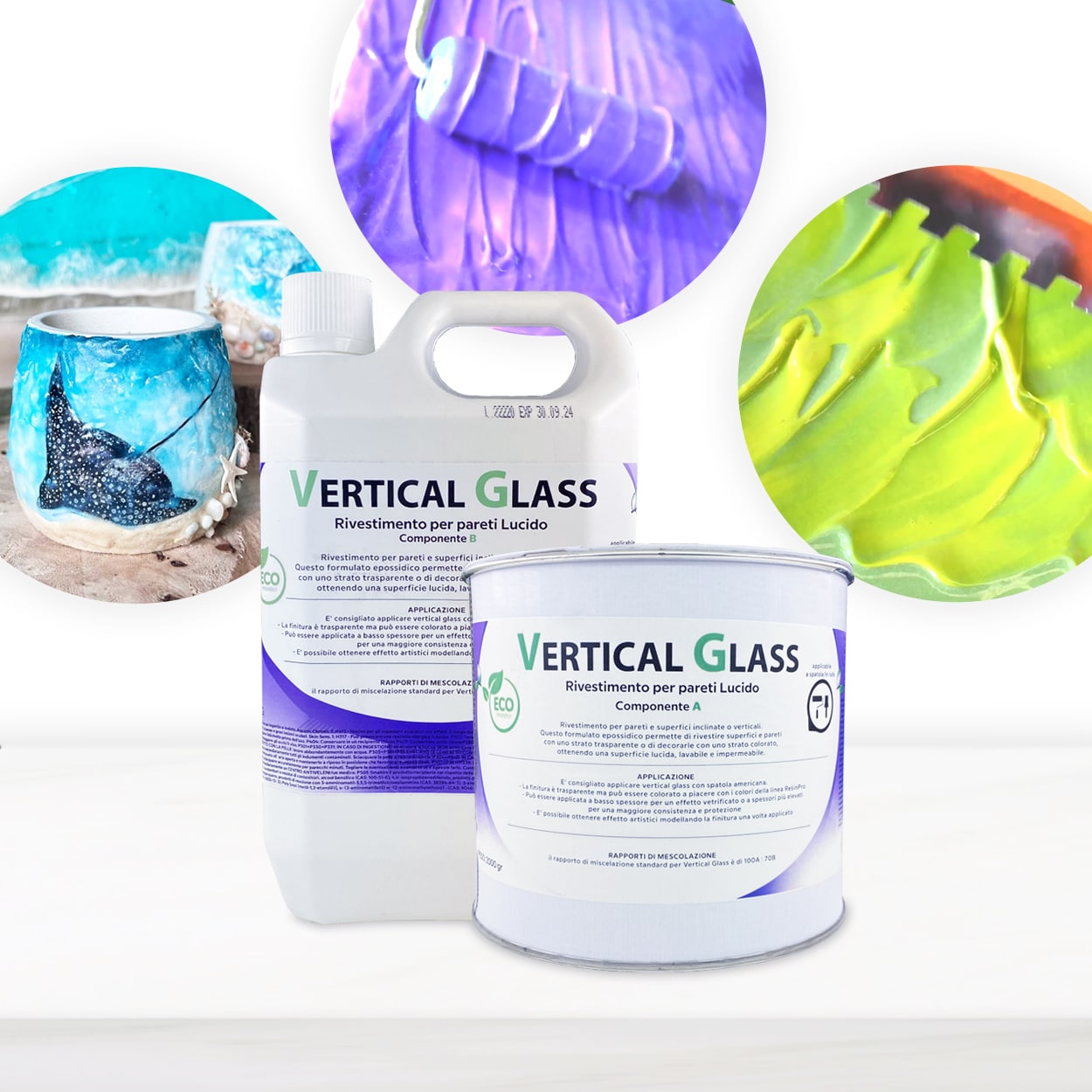

Tiling walls or slopes often calls for more than just good adhesion – you need a resin system that won’t drip, will deliver a waterproof layer, and offers a lasting decorative finish. Here’s what you need to know about choosing the right coating for vertical or sloping tiled surfaces.
Why Epoxy-Based Coatings Excel on Vertical Tiles
Specially designed epoxy coatings, such as Vertical Glass, are formulated to cling to tiled and masonry surfaces without sagging or self-levelling. This allows you to build up a uniform, glossy, and waterproof finish, even on angled or vertical walls. The viscosity and working time are tailored for detailed application, enabling you to achieve creative effects while maintaining durability in high-moisture environments like kitchens or bathrooms.

Application Tips and Surface Preparation
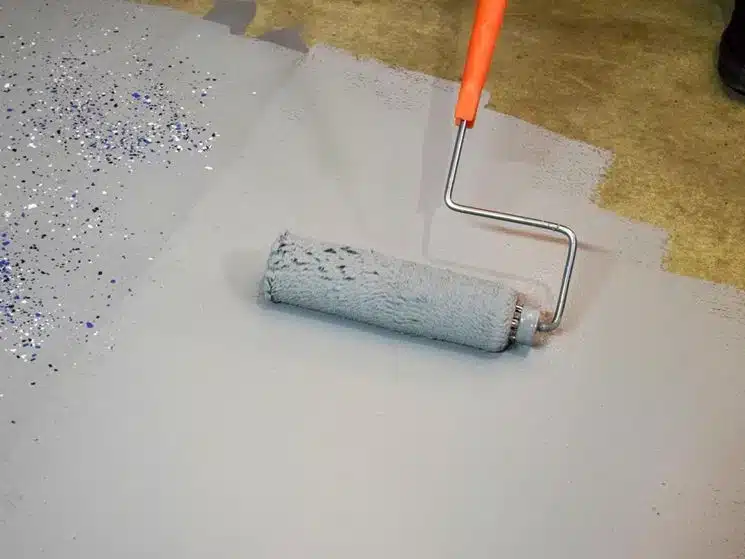
Proper preparation is crucial for a long-lasting coating. Before applying an epoxy resin, thoroughly clean tiles to remove grease and residues. For best results, use a suitable primer – for instance, Epoxyprimer – to promote ideal adhesion and stability. When using thick coatings that don’t self-level, apply with a spatula or trowel to control thickness and limit drips. Sanding between coats can help achieve a satin appearance or further improve adhesion.
When This Matters
- Bathrooms, kitchens, and wet rooms: A waterproof resin finish guards against moisture and stains.
- Decorative feature walls or splashbacks: Epoxy’s customisable finish lets you add pigments or metallic effects to vertical surfaces.
- Sloping entries or stair risers: Choose a system that stays in place on angles, for uniform protection and aesthetics.
Related products
Related guides
Opting for the right resin ensures your vertical or sloping tiled surfaces look impressive and remain protected. For more on resin choices for tiles, visit our guide on resin-based versus water-based solutions for tiles.