 Free shipping on orders over £29,85
  Shipping Tracking!


 Google
 Facebook
← Back to How do you install a resin water softener?
Handling resin media—whether for softeners, casting, or craft applications—calls for a thoughtful approach to personal safety and workspace practices. Staying mindful of potential hazards will ensure your projects are both enjoyable and risk-free.
Personal Protective Equipment (PPE) and Ventilation
Always wear gloves to keep your skin protected and use eyewear to guard against accidental splashes. Even with non-toxic or water-based resins, it is wise to work in a well-ventilated space to minimise inhalation of any dust or vapours during mixing and pouring. If your project involves sanding cured resin, a dust mask is advisable to protect your respiratory system.
Safe Handling and Disposal Practices
Keep resin containers tightly sealed when not in use to prevent spills and airborne dust. Avoid eating or drinking in your work area, and wash your hands thoroughly after handling. For disposal, always follow manufacturer instructions for curing leftover resin before discarding and check local guidelines for waste management. Safe disposal helps protect both you and the environment.
When Extra Caution Matters
- If you have sensitive skin or respiratory issues, take extra care and consider additional protective gear.
- Spillages should be cleaned up immediately to prevent slip hazards and accidental contact with skin.
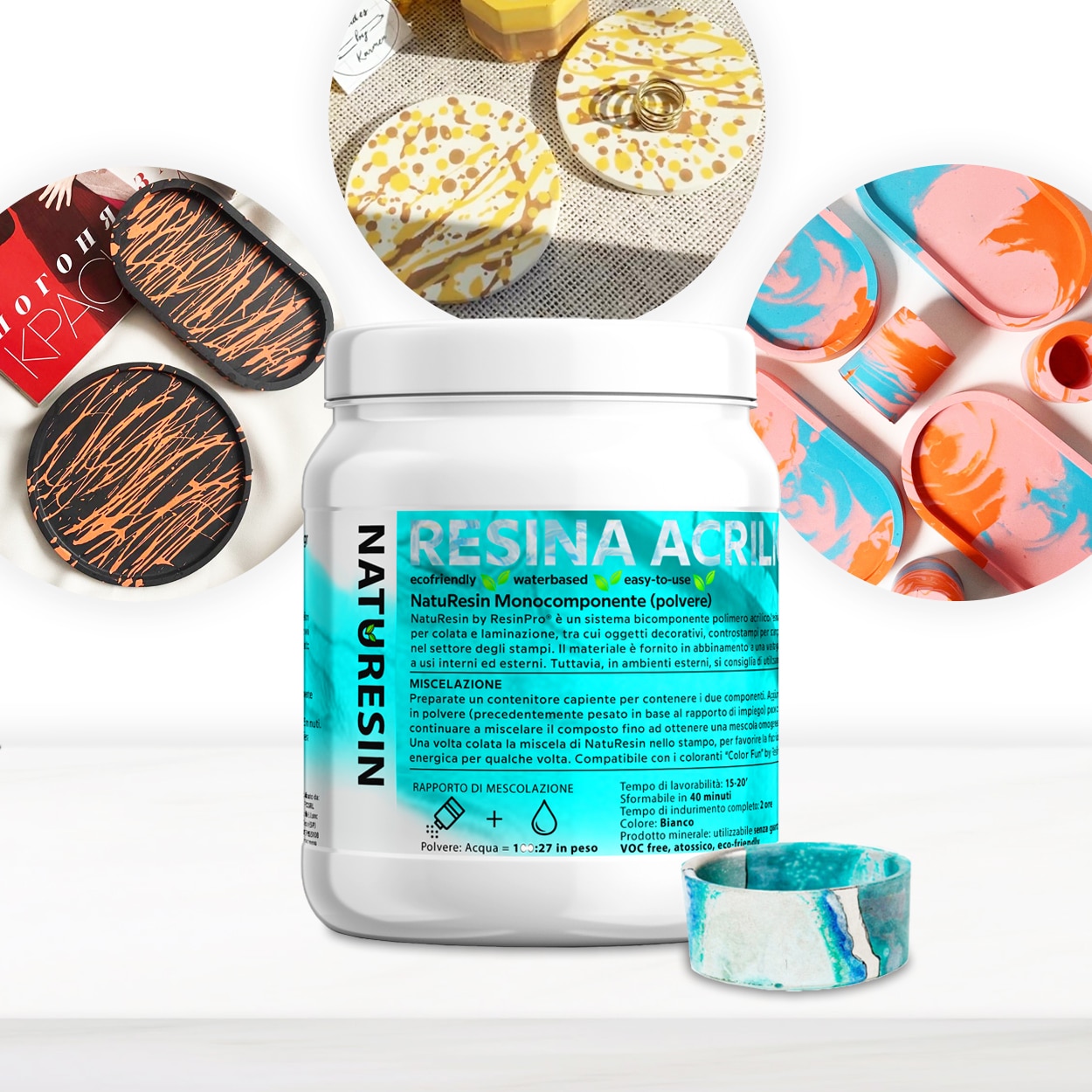
- With products like NatuResin – Mineral Resin & Water System, note that although non-toxic, maintaining basic hygiene and clean-up routines remains important.
Related products
Related guides
Building safe habits when handling resin media not only protects you but supports the best results in your projects. For further insights about installation and use, revisit our main guide on resin water softener installation.