 Free shipping on orders over £29,85
  Shipping Tracking!


 Google
 Facebook
What are the differences between epoxy resin and polyurethane?
Understand which resin suits your casting, doming, or restoration needs

Choosing between epoxy resin and polyurethane is essential for achieving the right finish, durability, and working properties for your creative or restoration project. This guide is designed for artists, makers, and professionals who want to understand the distinct advantages and ideal applications of each type, including casting, doming, and wood restoration. Read on to discover how each option suits specific needs, their main strengths, and which ResinPro product is best fitting for your goal.
Epoxy Resin vs Polyurethane: Overview and Comparison
Epoxy resins and polyurethane resins are two of the most popular materials for craft, industrial, and restoration projects. Their core differences lie in their curing speed, flexibility, UV resistance, and surface finish. Epoxy resins typically offer a longer working time, produce a very hard, durable finish, and can be ideal for deep castings or penetrating wood. Polyurethane resins, by contrast, may cure faster and offer flexibility, making them excellent for rapid prototyping, flexible coatings, or applications where scratch resistance and self-healing are valued. The choice depends on whether you prioritise workability, detail, thickness, or a particular surface property for your end result.

Visual Guide to Resin Types and Results
Explore our curated gallery showcasing side-by-side examples of epoxy and polyurethane resin applications, from deep pour tables to flexible domed labels. See the differences in texture, clarity, and form to help visualise which resin may perform best for your creative or restoration project.

Epoxy Resins for Deep Pouring and Wood Restoration
If your priority is long-lasting durability and clarity, epoxy resins are unmatched for deep casting and reinforcing wood. “Epoxytable 10-Ten” – Deep Pour Epoxy Resin for Tables, Up to 10cm Casting is formulated for spectacularly thick pours, allowing you to create river tables or encapsulate artistic elements with crystal-clear transparency. It has a strong UV filter for non-yellowing protection, a low viscosity to minimise bubbles, and a comfortable working window. For wood protection and restoration, “EpoxyWood” – Wood Restoration Epoxy Resin for Deep Penetration and Waterproofing penetrates deep into fibres, reinforces structural integrity, and transforms your wood into a waterproof, beautifully finished surface. This makes it exceptionally well-suited for marine, outdoor, and furniture renovation work.
Polyurethane Resins: Fast Curing, Flexibility, and Detailed Casting
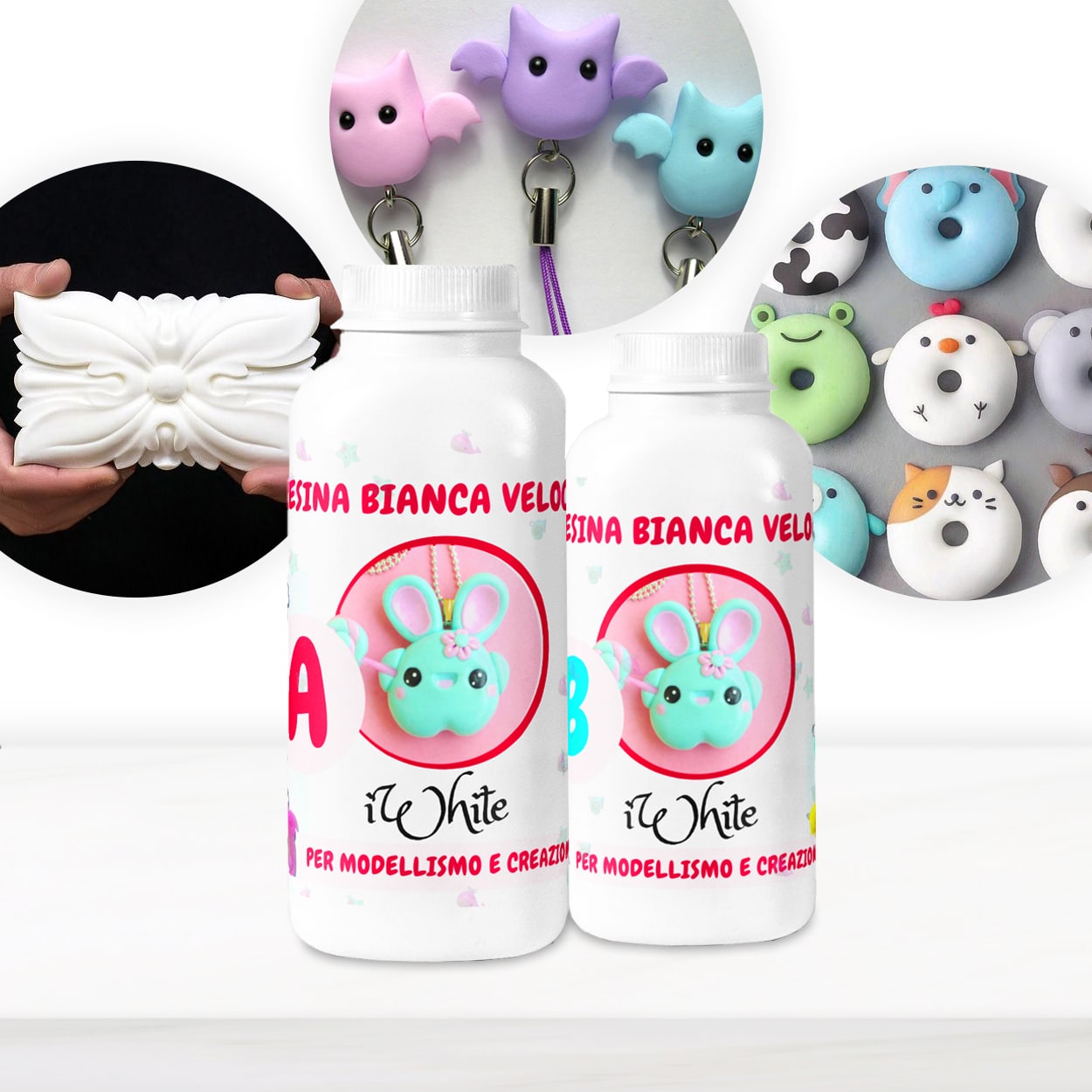
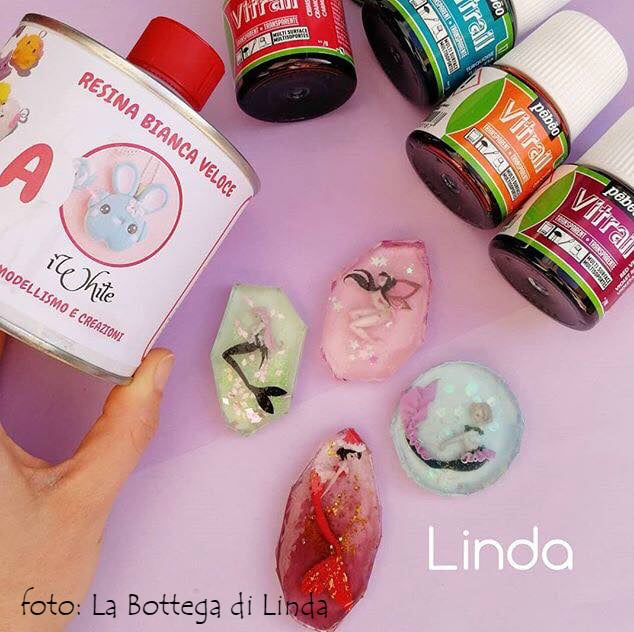
Polyurethane resins shine where quick results or unique surface behaviours are needed. For example, “IWhite” – Polyurethane Casting Resin – White, Fast-Curing Two-Part System is ideal for fast prototyping, model making, or hobby casting thanks to its rapid 30-minute cure and highly fluid consistency, which captures fine details with minimal bubbles. For protective doming on labels, badges, or decals, “Be Flex” – Transparent Polyurethane Doming Resin – Scratch-Resistant offers a flexible, self-healing finish that withstands scratches, outdoor conditions, and adheres perfectly even to curved surfaces. These products demonstrate how polyurethane is preferred when flexibility, speed, or abrasion resistance are the driving requirements.
Which Resin for Which Task? Comparing Properties and Project Types
Choosing between epoxy resin and polyurethane comes down to understanding each material’s strengths. Use epoxy resin such as “Epoxytable 10-Ten” for deep pours up to 10cm, river tables, and projects that require maximum clarity and hardness. “EpoxyWood” is the go-to for deeply penetrating, waterproofing, and reinforcing wood in marine or restoration tasks. For rapid production or highly detailed moulds, a polyurethane resin like “IWhite” provides fast demoulding and sharp, bubble-free results. Meanwhile, “Be Flex” excels for dome-style labelling or flexible coatings needing to resist the elements. Whichever you choose, matching your project’s technical requirements to the resin’s unique properties ensures the best outcome.
Tips for Choosing the Right Resin for Your Project
Consider project thickness, cure speed, and flexibility requirements before selecting your resin. For detailed, rapid casts or flexible surface coatings, polyurethane is often preferred. For deep, clear pours or wood reinforcement, epoxy resin excels. Review each product’s usage recommendations to ensure optimal results for your specific task.
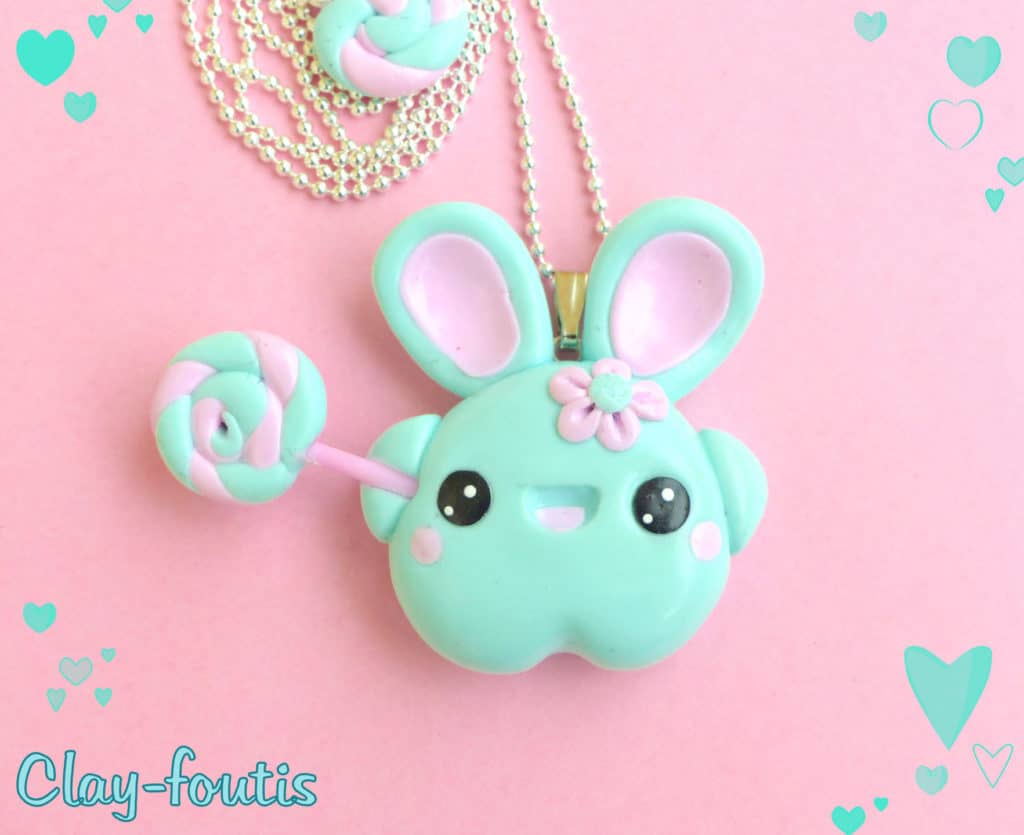
- “IWhite” – Polyurethane Casting Resin – White, Fast-Curing Two-Part SystemPrice range: £24.00 through £36.95IWHITE is a fast-curing polyurethane casting resin suitable for rapid prototyping and detailed moulding.
- “Epoxytable 10-Ten” – Deep Pour Epoxy Resin for Tables, Up to 10cm CastingPrice range: £35.95 through £351.95“Epoxytable 10-Ten” is designed for deep pours up to 10cm, suitable for tables and artistic projects requiring strong UV resistance.
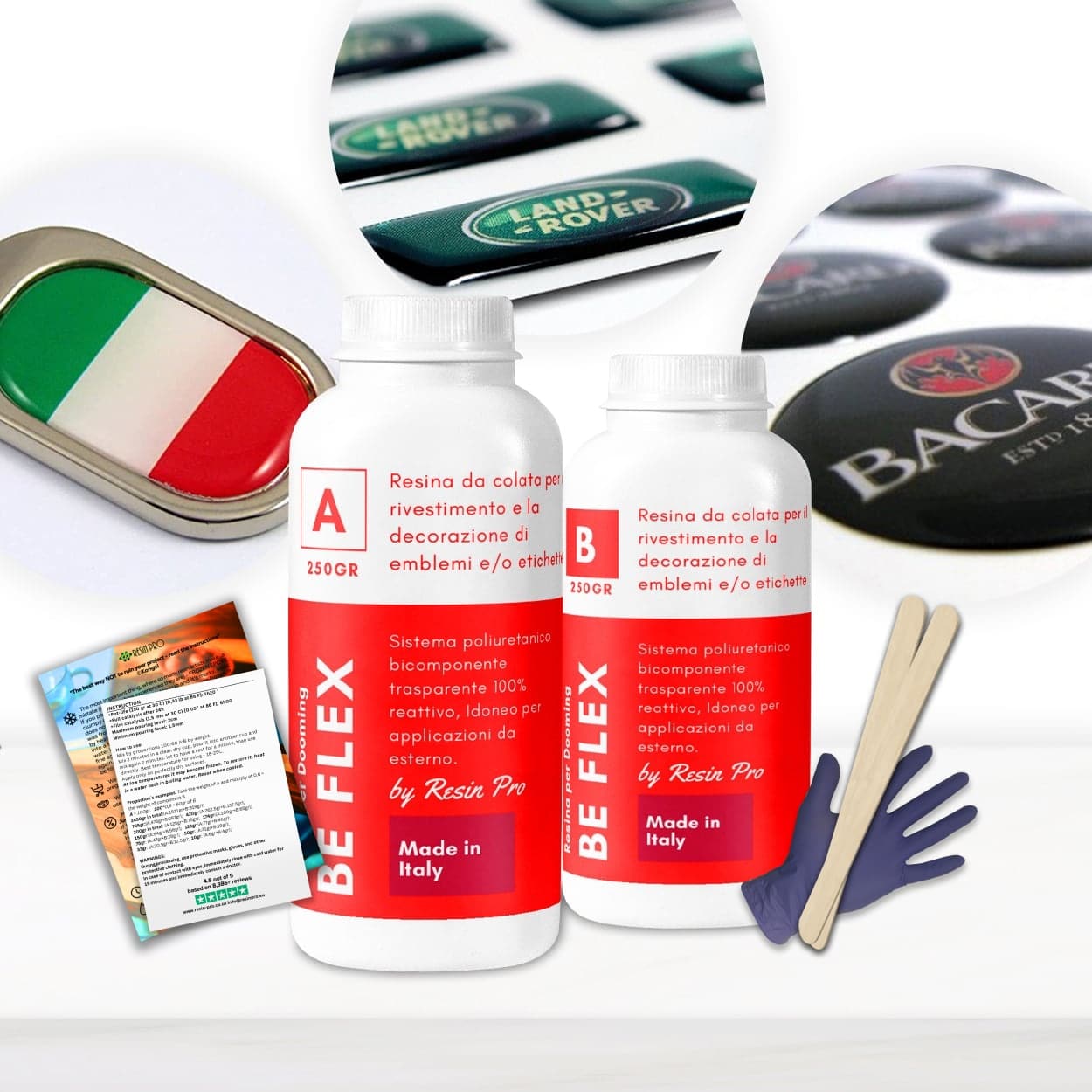 "Be Flex" – Transparent Polyurethane Doming Resin – Scratch-ResistantPrice range: £45.00 through £81.95A transparent polyurethane doming resin with a flexible, scratch-resistant finish suitable for stickers and labels on curved surfaces.
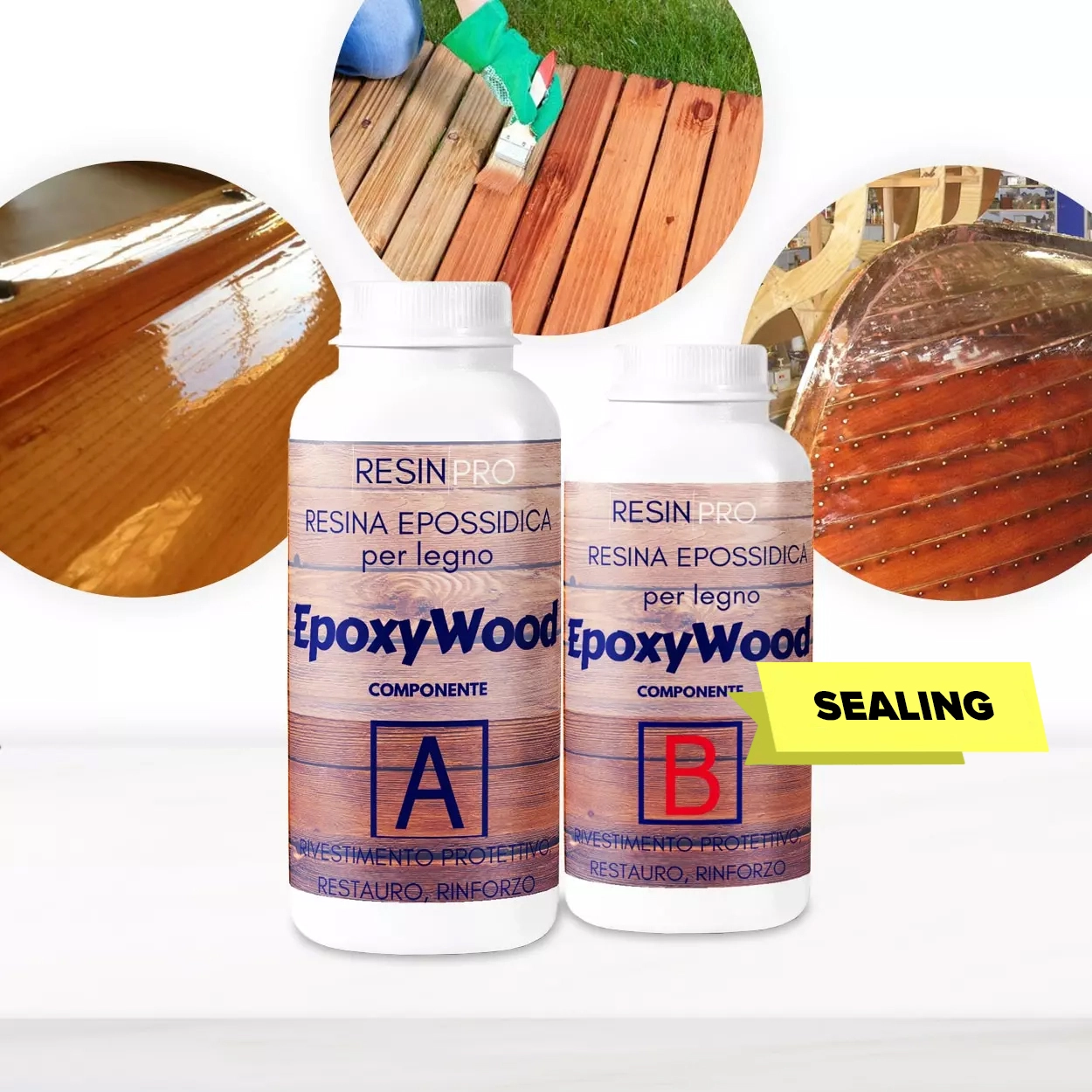 "EpoxyWood" – Wood Restoration Epoxy Resin for Deep Penetration and WaterproofingPrice range: £27.95 through £41.95EpoxyWood is designed for deep penetration and waterproofing of wood, suitable for restoration and protection with an eco-conscious formulation.
Frequently Asked Questions
What distinguishes epoxy resin from polyurethane?
Epoxy cures to a hard, rigid finish and is ideal for deep pours or structural uses. Polyurethane offers more flexibility and often cures faster.
Is epoxy or polyurethane better for casting moulds?
Polyurethane is typically faster to demould and suitable for quick, detailed casts, while epoxy excels for larger, more intricate castings.
Which resin is best for deep pour table projects?
EpoxyTable 10-Ten epoxy resin is formulated for deep pours, offering clarity, hardness, and UV resistance for tables and castings up to 10cm.
Can polyurethane resin be used outdoors?
Yes, especially flexible polyurethanes like Be Flex, which offer UV and scratch resistance for outdoor labels and badges.
Which cures faster, epoxy or polyurethane?
Polyurethane resins generally cure faster than epoxy, making them ideal for rapid prototyping or projects needing short demould times.
Is epoxy suitable for wood restoration?
Yes, products like EpoxyWood deeply penetrate and waterproof wood, enhancing both protection and structural integrity.
Where is doming resin most effective?
Polyurethane doming resin such as Be Flex is best for flexible protective coatings on stickers, labels, and badges needing outdoor durability.