 Free shipping on orders over £29,85
  Shipping Tracking!


 Google
 Facebook
What are the ideal temperature and humidity levels for pouring epoxy resin?
Essential tools and guidance for flawless resin pours in any environment.


Achieving a flawless finish with epoxy resin is not just about product choice—it’s about creating the right environment, especially regarding temperature and humidity. This in-depth guide is for resin enthusiasts and professionals seeking reliable ways to manage climate conditions for successful pours, whether you’re working on crafts, floors, or expert-level decorations.
Temperature and Humidity: Keys to Resin Success
When working with epoxy resin, maintaining the correct temperature and humidity is vital for curing, clarity, and durability. Excess moisture or incorrect temperature can lead to defects like cloudiness, bubbles, or sticky surfaces. Generally, a room temperature above 20°C and low relative humidity (ideally below 60%) are recommended for most projects. The right products and preparation methods can help you easily achieve and maintain these optimal conditions, no matter your workspace or the time of year.

Why Climate Matters for Epoxy Resin Results
Temperature and humidity directly affect epoxy resin curing, clarity, and strength. Low temperatures can cause incomplete curing and sticky finishes, while high humidity introduces bubbles or cloudiness. Using tools like adjustable fan heaters or following expert setup guides ensures each pour meets the conditions needed for professional-quality results—regardless of season or space.
“Rhino” – 2kW Fan Heater for Epoxy Resin Projects
Rhino – 2kW Fan Heater for Epoxy Resin Projects is an essential addition for those seeking precise control over workspace temperature during resin pours. Its rapid heating power helps bring your environment to a consistent, resin-friendly level promptly. An adjustable thermostat allows fine-tuning to keep temperatures steady, significantly improving resin curing and reducing the risk of imperfections. With built-in overheat protection, it’s safe for both home studios and professional workshops—especially during colder months or in spaces that are difficult to keep warm. If you’re aiming for flawless results regardless of season, consider this an indispensable accessory from our Accessories for Resin collection.
Online Video Course – Christmas Tree Decorations Masterclass (Instagram Access)
For those learning the ropes of resin work and keen to master both the art and science, the Online Video Course – Christmas Tree Decorations Masterclass (Instagram Access) offers detailed guidance on workspace setup, including managing temperature and humidity for best results. While focused on decorative techniques, the course consistently reinforces the importance of maintaining ideal conditions through every step, ensuring your poured projects don’t just look good—they last the test of time. Aspiring resin decorators will find invaluable advice directly linked to practical outcomes.
“Flowstone” – Complete Permeable Floor Kit with Pebbles and Resin
Outdoor resin applications demand special care regarding weather and moisture. The Flowstone – Complete Permeable Floor Kit with Pebbles and Resin addresses the UK’s unique climate by recommending resin application only when ambient temperatures are above 10°C, and surfaces are dry. This ensures that your extending resin bonds properly, cures thoroughly, and remains durable through seasonal fluctuations. The included step-by-step instructions demystify surface prep and help mitigate common losses caused by humidity or low temperatures—especially vital for driveways, paths, and patios using this kit from our Pebble Floors category.
“Heat Pro” – Flexible Heat-Resistant Glossy Coating
Smaller projects and finishing coats require precise indoor climate control for both resin and room temperature—ideally, both kept above 20°C. Heat Pro – Flexible Heat-Resistant Glossy Coating excels when these factors are managed: apply only to dry, clean surfaces and avoid high humidity to prevent cloudiness and stickiness in the cured coat. Its self-levelling, transparent formula responds best under stable climate, delivering superior gloss and protection for coasters, trays, and art surfaces. Find it and more resilient finishes in our Multipurpose Epoxy Resins collection.
Practical Tips for Optimal Pouring Conditions
Whatever your project size, always acclimatise your resin and hardener to room temperature before mixing. Use heaters or dehumidifiers to adjust conditions if necessary and avoid pouring on damp or extremely cold days, particularly for outdoor work. Remember that environmental factors can shorten or lengthen working and curing times—plan accordingly, and check your product’s instructions for minimum temperature or maximum humidity limits. For complex pours, online courses and expert guides can help you troubleshoot issues related to climate and workspace setup.
Top Environment Control Hacks for Resin Pouring
Test your workspace’s climate with a simple thermometer and hygrometer before any resin work. Preheat the area if needed, and always store resins at recommended temperatures. For tougher environments, combine climate control tools with humidity-absorbing products, and always follow specific product instructions for your exact resin system.

- "Rhino" – 2kW Fan Heater for Epoxy Resin Projects£20.95The Rhino 2kW Fan Heater provides controlled, rapid heating suitable for epoxy resin projects within the specified theme.
- Online Video Course – Christmas Tree Decorations Masterclass (Instagram Access)£20.95This online video course offers step-by-step instruction on techniques for creating Christmas tree decorations.
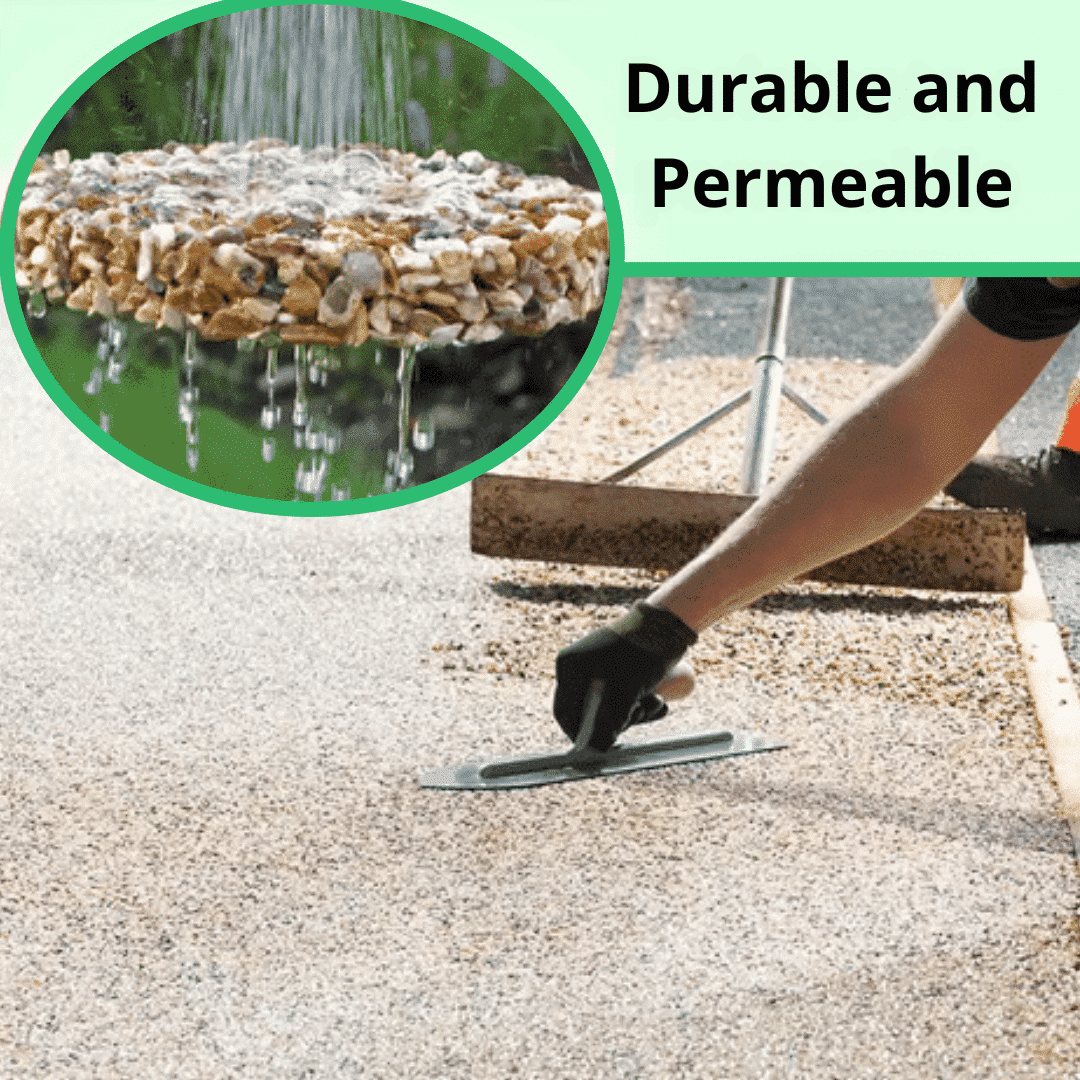 "Flowstone" – Complete Permeable Floor Kit with Pebbles and ResinPrice range: £49.95 through £3,915.45"Flowstone" is a permeable pebble and resin floor kit designed for UK outdoor surfaces, with clear resin guidance and simple application steps.
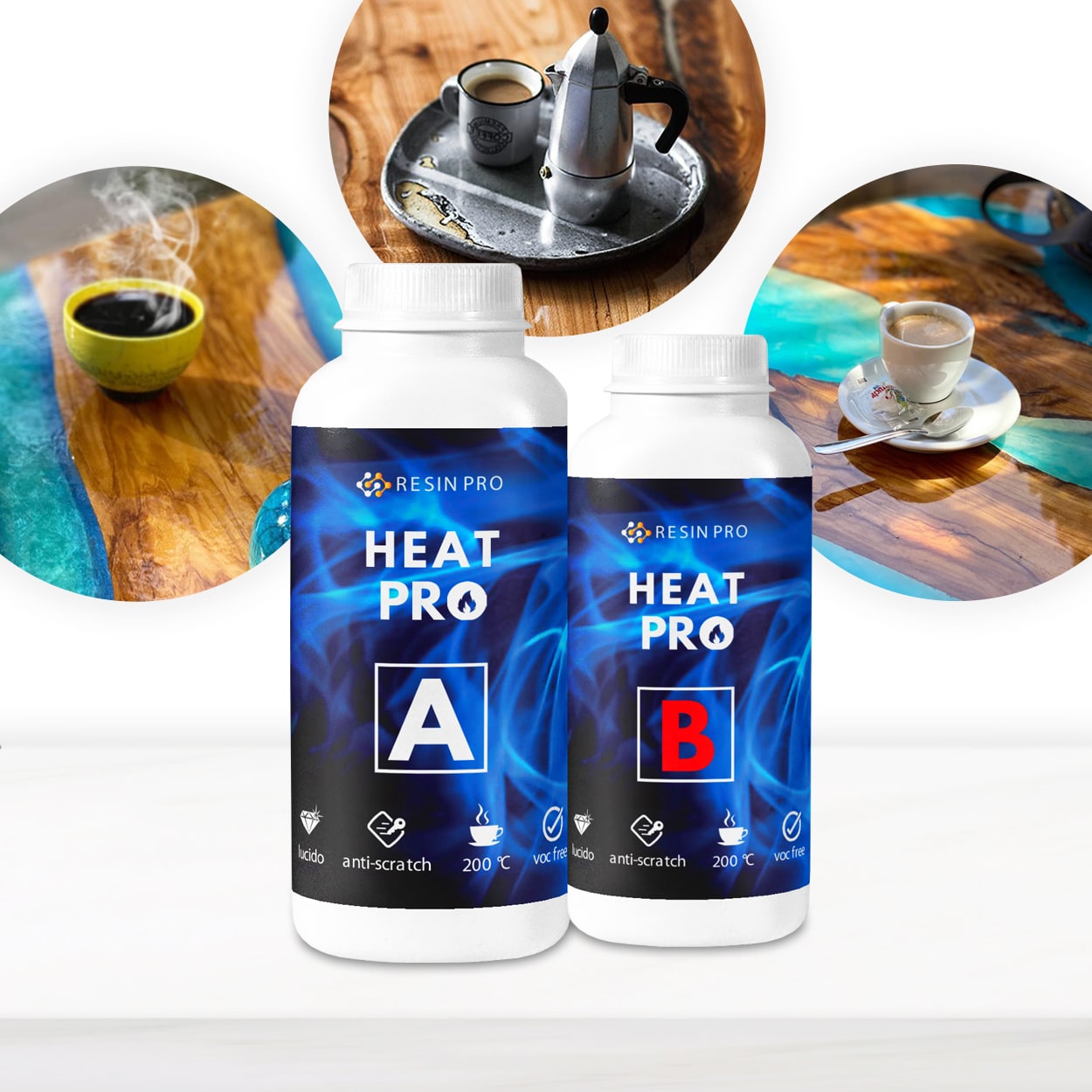 "Heat Pro" – Flexible Heat-Resistant Glossy CoatingPrice range: £26.45 through £185.45Heat Pro is a flexible polyurethane resin designed for epoxy projects, offering heat resistance and impact absorption with a glossy finish.
Frequently Asked Questions
What is the ideal temperature and humidity for pouring epoxy resin?
Most epoxy resins work best at 20–25°C with humidity below 60% to ensure optimal curing and a flawless finish.
How can I control workshop temperature for resin projects?
A fan heater with an adjustable thermostat helps you quickly reach and maintain optimal conditions for resin pouring.
How does humidity affect epoxy resin curing?
High humidity can cause cloudiness, bubbles, slow curing, or sticky surfaces. Keep your workspace as dry as possible.
When is the best season to pour epoxy resin?
Late spring to early autumn often provides more stable temperatures and lower humidity, which are ideal for resin pours.
Is it safe to use a heater with epoxy resins?
Yes—use a heater with overheat protection and proper ventilation. Avoid direct airflow onto the uncured resin to reduce dust.
Can I apply epoxy resin outdoors if it's cold or damp?
It's best to wait for a dry, mild day with temperatures over 10°C and low humidity. Damp or cold conditions may lead to poor results.
Should I bring epoxy materials up to room temperature before starting?
Yes, always let your resin and hardener reach room temperature before mixing for even curing and easier pouring.