 Free shipping on orders over £29,85
  Shipping Tracking!


 Google
 Facebook
← Back to How does silicone rubber dry?
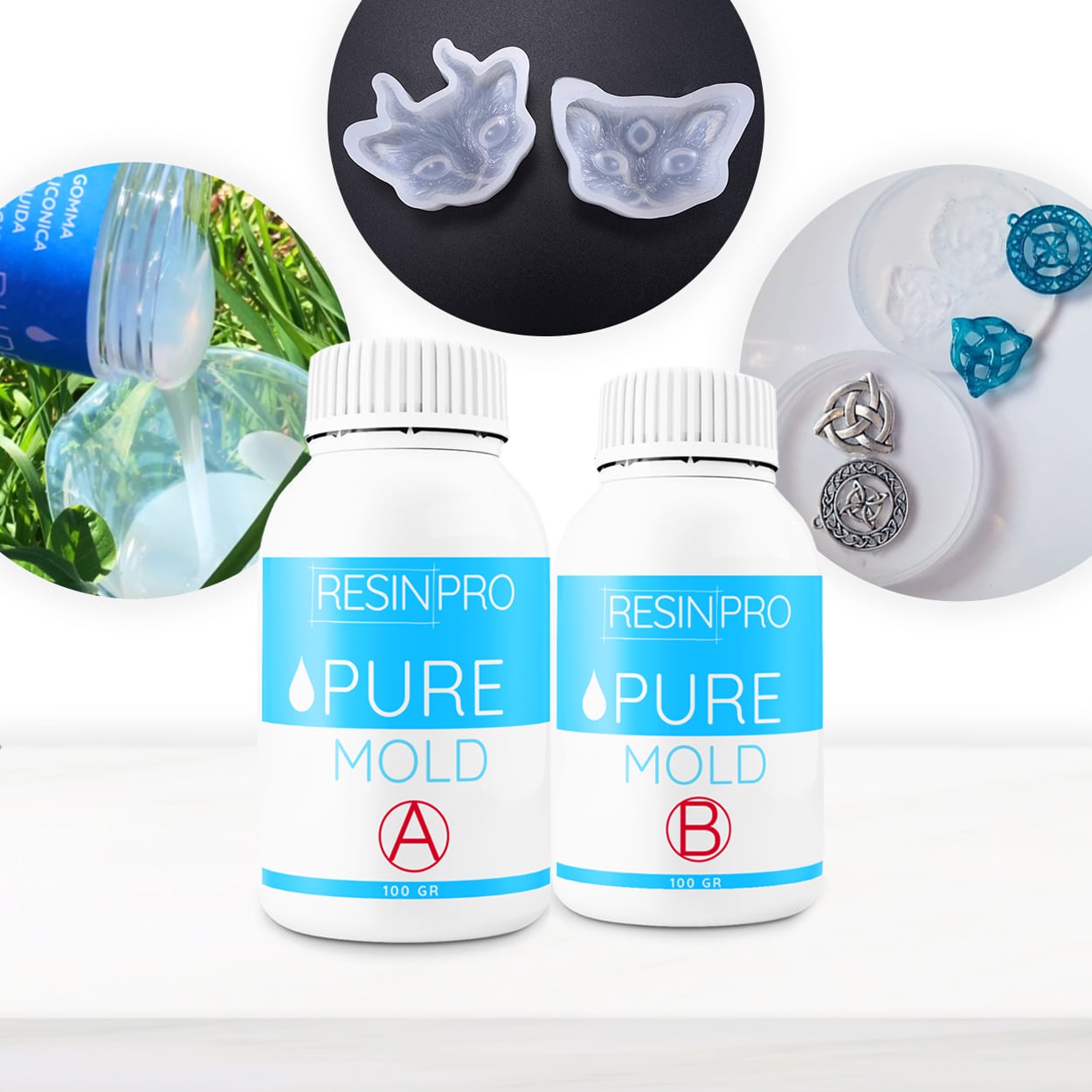
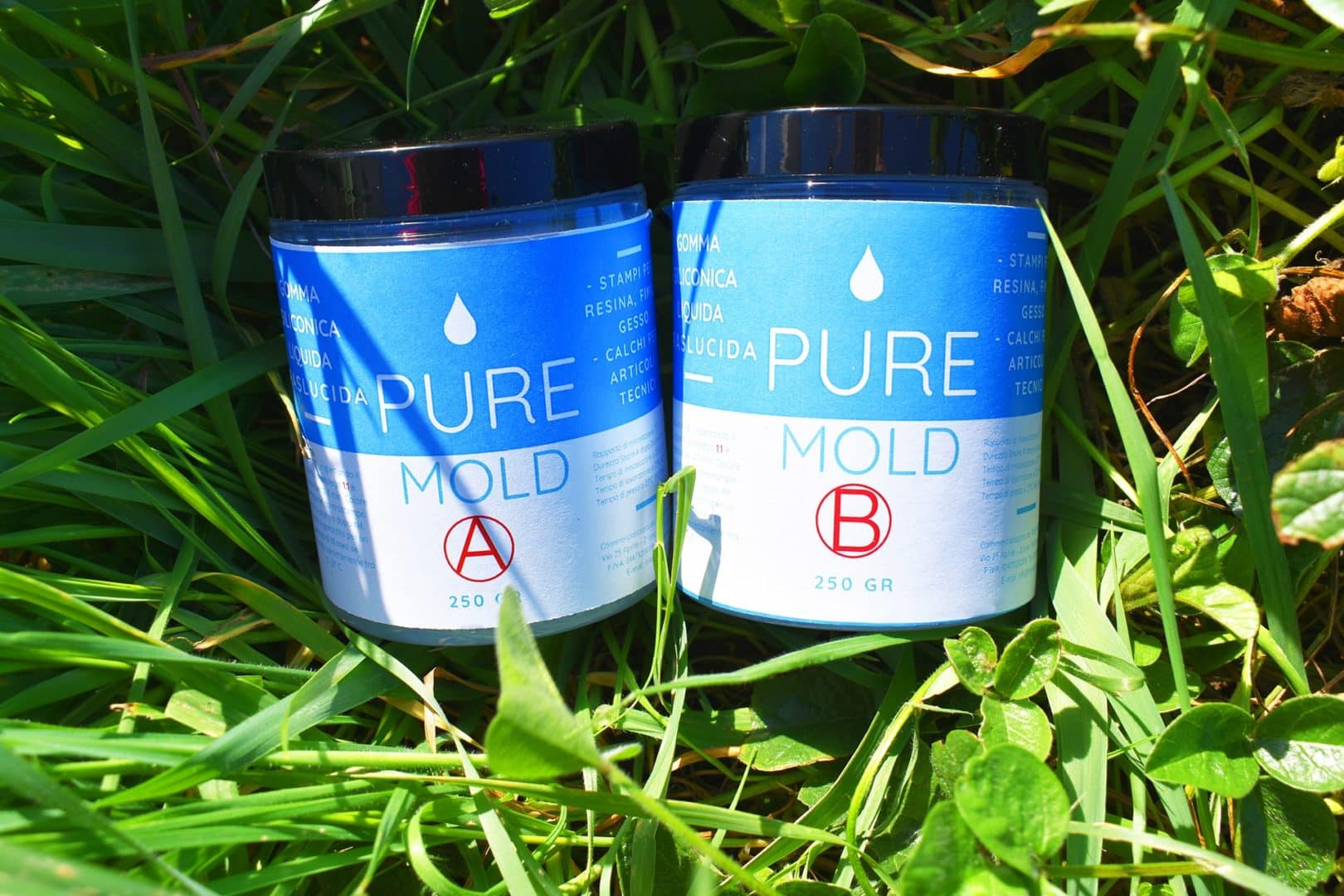
If your silicone rubber remains sticky or soft after the expected curing time, it’s frustrating and can spoil your mould making project. Understanding where things can go wrong is the key to fixing and avoiding incomplete curing.
Common Causes of Incomplete Silicone Curing
Silicone rubber usually cures when its two components are correctly measured, mixed, and poured. Problems arise most often from:
- Incorrect mixing ratio: Many silicones, such as “Pure Mould”, require precise 1:1 mixing. Too much or too little of either component leaves regions uncured.
- Poor mixing: Failing to thoroughly blend the two parts can cause unmixed or partially cured spots within the mould.
- Contamination: Even a small amount of moisture, oil, resin, or unclean tools can inhibit curing. Always use clean tools and containers, and keep your workspace free from dust and other substances.
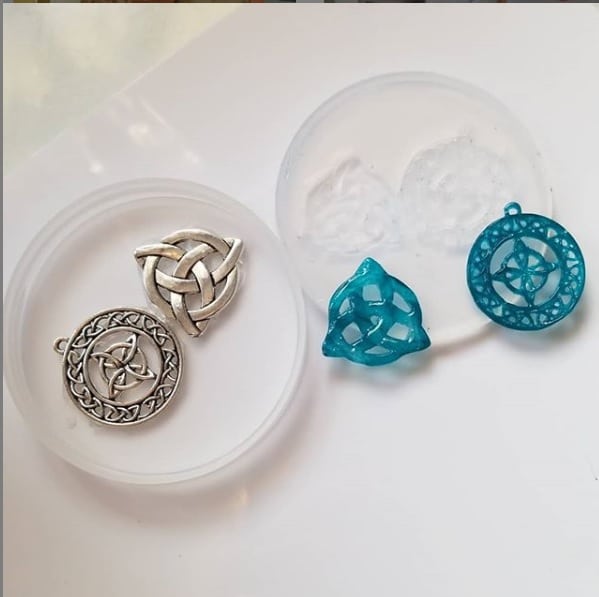
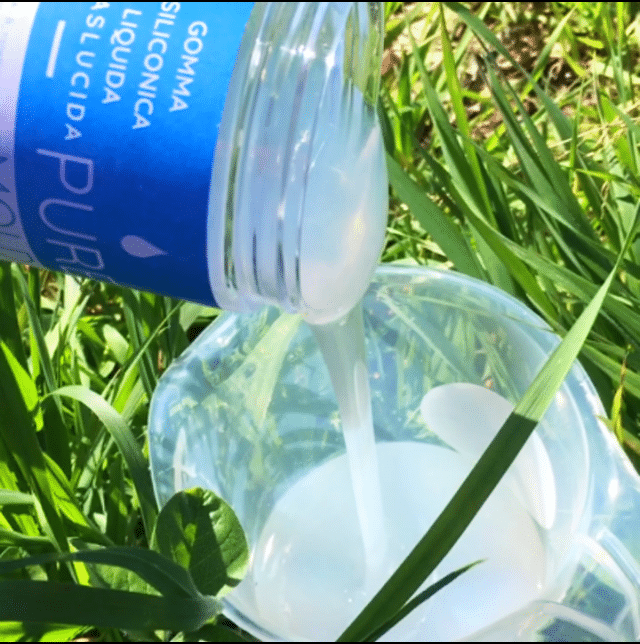
Practical Guidance for Better Results
To achieve full curing, start by double-checking the manufacturer’s instructions for mixing ratios and pot life. Use a timer for accurate catalysis and mix steadily, scraping the sides and bottom of your container. Pour the silicone slowly to reduce air bubbles and ensure even setting. If using products such as silicone putty, knead the components together until the mix is uniform in colour and texture.
When This Matters Most
If you’re creating intricate or detailed moulds for casting jewellery, wax, or resin models, any curing mishap can cause loss of detail or weaken the finished mould. Reliable curing is especially important for multiple-use or professional-quality projects.
Related products
Related guides
Troubleshooting curing issues will help you avoid wasted materials and time. For further tips and products ideal for mould making, see the main guide on how silicone rubber dries.