 Free shipping on orders over £29,85
  Shipping Tracking!


 Google
 Facebook
What do you call someone who does resin floors?
Understanding resin floor installers, their tools, and top product options.
Curious about who installs resin floors professionally and what products they use? This page explores the roles, tools, and speciality products relevant for resin floor projects. Whether you’re a DIY enthusiast seeking advice or a property manager about to commission new flooring, you’ll find clear explanations of the typical job titles, main techniques, and best resin systems in the industry.
Who Installs Resin Floors and Which Products Do They Use?
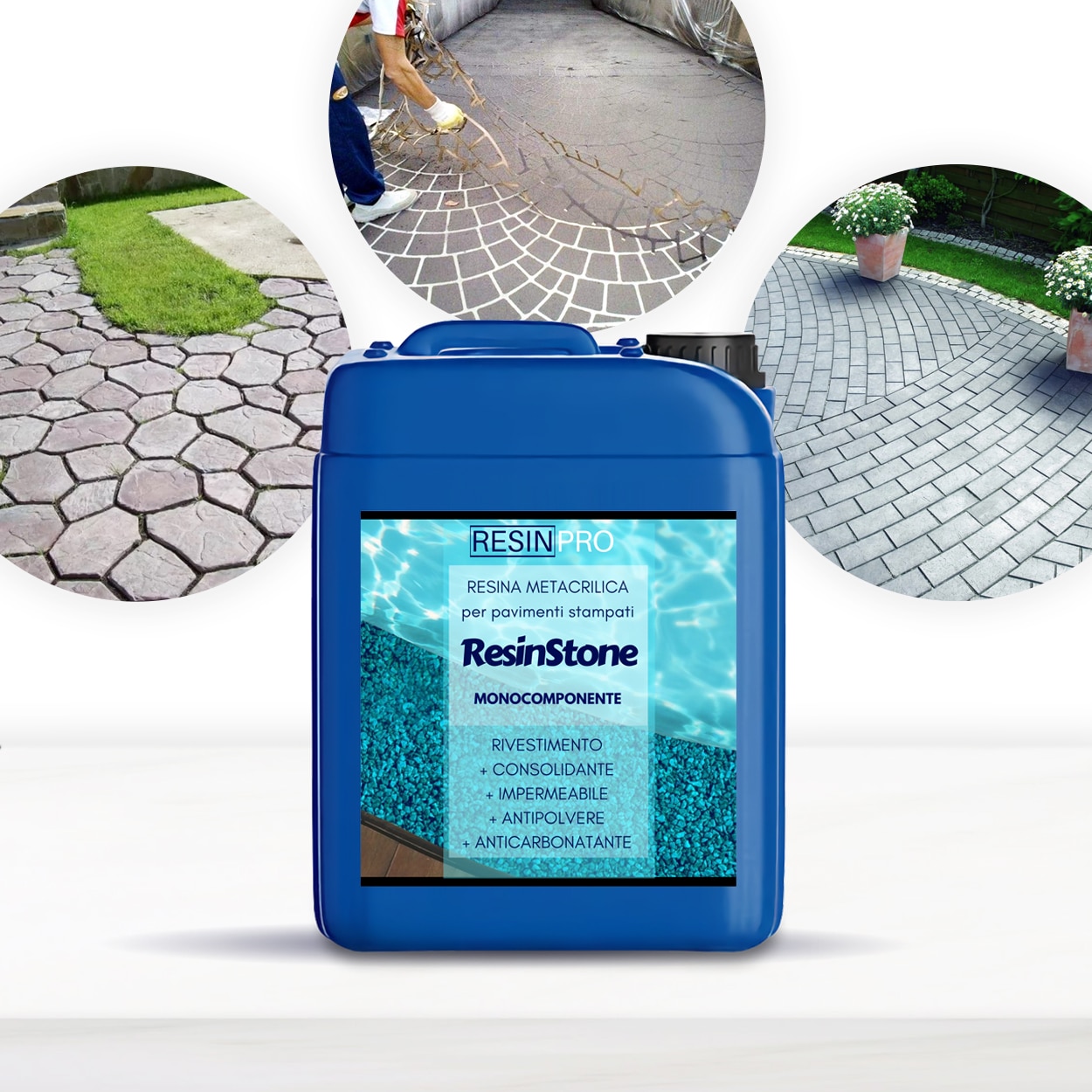
The professionals who work with resin floor systems are most often referred to as resin floor installers, resin flooring contractors, or resin floor applicators. They specialise in surface preparation, priming, resin mixing, and application on a range of surfaces — from concrete to decorative aggregates. The right product selection is crucial, with options tailored for concrete sealing, permeable stone floors, coloured aggregate binding, and substrate priming. Choosing between systems like “Resinstone” – One-Component Methacrylic Resin for Concrete Floors and Driveways and comprehensive kits such as “Flowstone” – Complete Permeable Floor Kit with Pebbles and Resin ensures optimal performance and a long-lasting result.

Resin Floor Installation In Action
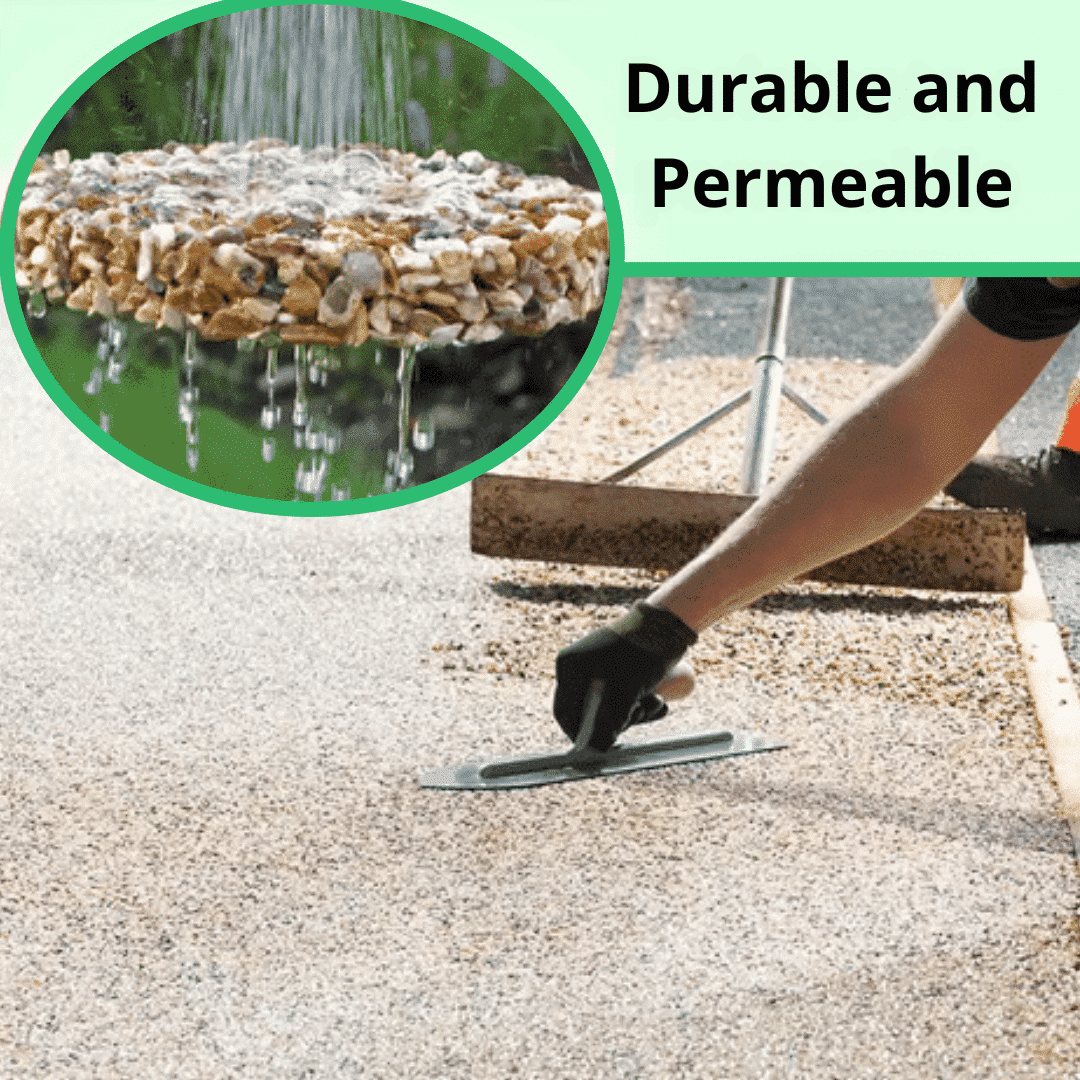
Professional resin floor installers use specialised tools and techniques to ensure optimal adhesion, durability, and a flawless finish. Whether sealing concrete with Resinstone or laying decorative aggregate mixes, attention to detail at every stage is key for successful results.
“Resinstone” – One-Component Methacrylic Resin for Concrete Floors and Driveways
If you’re seeking a robust, easy-to-apply solution for sealing and protecting concrete floors, “Resinstone” offers professional-grade results for both contractors and DIY users. This one-component methacrylic resin deeply penetrates concrete substrates, delivering waterproof but breathable protection.
Its durable protection shields against chemicals, UV rays, and weather damage, extending the lifetime of garage floors, outdoor paths, and driveways. Thanks to its quick drying nature, surfaces are ready for use in under 12 hours. However, it is not suitable for binding loose gravel surfaces — it excels on absorbent, stable concrete.
“Flowstone” – Complete Permeable Floor Kit with Pebbles and Resin
For those wanting a decorative and permeable solution to upgrade patios, driveways, and paths, “Flowstone” is a customer favourite. It includes pebbles and resin binders tailored to your surface area, offering a straightforward system for DIY and trade users alike. The resulting floor allows water to drain through, preventing puddles and reducing flood risk — ideal for the UK climate.
Application is made simple with step-by-step guidance, and users can personalise the look with colour and granule size options. Use non-yellowing polyurethane for white pebbles or low-yellowing epoxy for coloured stones. Note: It’s not ideal for those requiring fully sealed or non-permeable flooring.
“Epoxyprimer” – Universal Water-Based Two-Component Epoxy Floor Primer
Before applying any epoxy-based floor coating, preparing the substrate is essential. “Epoxyprimer” maximises bonding for concrete, wood, screed, or tile surfaces. Its superior adhesion and water-based, eco-friendly & odourless formula make it suitable for interior jobs or sensitive environments.
Application is flexible — use a roller, brush, or spatula. This primer ensures the final resin coat remains durable and stable. Allow a full 24–48 hours for curing prior to the next resin layer for best results.
“Trasparente” – Epoxy Binder for Coloured Pebbles and Grits
For designers and professionals creating vibrant, decorative aggregate floors, “Trasparente” is the go-to epoxy binder. Its crystal-clear epoxy resin gives coloured pebbles and grits brilliant clarity, with UV-resistant and non-yellowing properties preserving colour over time.
The low viscosity aids fast mixture and thorough impregnation of aggregates, while the certified non-toxic finish (after curing) ensures safety. Suitable for walkways, driveways, or creative permeable surfaces — but not for direct application over loose gravel or thick castings beyond 2cm.
Tips for Choosing a Resin Floor Installer or Approach
When selecting a professional, consider their track record with your intended flooring type. Resin flooring contractors often specialise: some excel with seamless indoor floors, while others focus on high-durability outdoor paths or decorative stone systems. Ask about their experience with products like “Epoxyprimer” for concrete preparation and whether they’re comfortable with permeable or decorative pebble installations using kits such as “Flowstone”. A reputable installer should also offer advice on surface prep, drainage considerations, and aftercare routines to ensure you get the performance and appearance you’re seeking.
Expert Advice for Your Resin Flooring Project
Consult an experienced resin applicator for tailored recommendations, substrate assessment, and product selection. The right guidance makes a significant difference in project longevity and visual appeal.
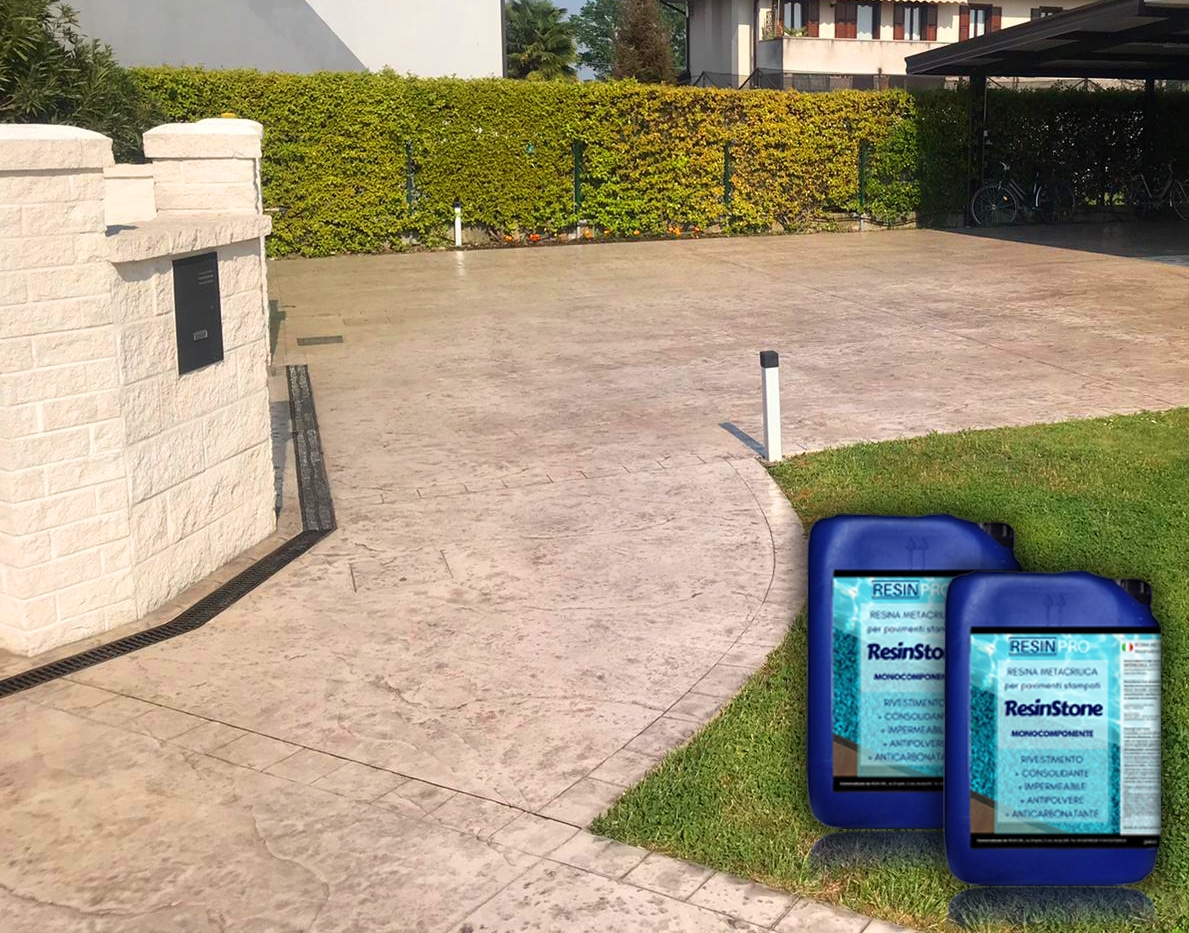
- "Resinstone" – One-Component Methacrylic Resin for Concrete Floors and DrivewaysPrice range: £36.71 through £336.48One-component methacrylic resin designed for sealing and protecting concrete floors and driveways with durable, breathable waterproof protection.
- "Flowstone" – Complete Permeable Floor Kit with Pebbles and ResinPrice range: £49.95 through £3,915.45"Flowstone" kit enables creation of durable, permeable pebble and resin surfaces suited for outdoor applications in the UK.
 "Epoxyprimer" – Universal Water-Based Two-Component Epoxy Floor PrimerPrice range: £156.45 through £286.45Epoxyprimer is a water-based epoxy floor primer suited for reliable adhesion on concrete, tiles, timber, and screeds.
 "Trasparente" – Epoxy Binder for Coloured Pebbles and GritsPrice range: £33.45 through £397.95"Trasparente" is a transparent epoxy binder suitable for coloured pebbles and grits, offering a clear finish with UV stability for pebble flooring…
Frequently Asked Questions
Is there a specific name for someone who installs resin floors?
They are most commonly called resin floor installers, resin flooring contractors, or resin floor applicators in the UK.
Do specialist contractors install pebble resin floors?
Yes, some flooring contractors specialise in pebble resin systems and permeable aggregate floors.
Can I install a resin floor myself or do I need a professional?
DIYers can install resin floors using suitable kits but experience and attention to detail are essential for best results.
What products do flooring professionals commonly use for resin floors?
They use primers, methacrylic resins, epoxy binders, and permeable kits tailored to the specific substrate.
What is the typical lifespan of a professionally installed resin floor?
With correct preparation and maintenance, resin floors can last over 10 years, depending on usage and conditions.
Is special preparation required before installing a resin floor?
Proper surface preparation, including cleaning, moisture checks, and priming, is crucial for a successful installation.
On what surfaces can resin floor systems be used?
Resin floors can be installed on concrete, timber, screed, and even ceramic tiles with the appropriate primer.