 Free shipping on orders over £29,85
  Shipping Tracking!


 Google
 Facebook
What kind of resin is used for carbon?
A guide to choosing the right epoxy resin for carbon applications


Whether you’re fabricating technical parts, reinforcing structures, or creating stunning artistic pieces with carbon fibre, using the right resin is vital for strength, appearance, and durability. This guide is for makers, engineers, and craft enthusiasts looking to choose the most suitable epoxy resins for carbon fibre or composite applications, ensuring outstanding results every time.
Comparing Resin Options for Carbon Fibre Applications
Not all resins are created equal when it comes to bonding with carbon fibre. Key factors to consider include impregnation quality, mechanical strength, curing process, clarity, and how the finish suits your intended use. Specialist epoxies designed for carbon fibre typically provide perfect impregnation and structural integrity for technical applications. For artistic or decorative work, clarity, self-levelling, and UV resistance may play a bigger role. Multi-purpose resins can suffice for surface coatings and smaller repairs but may not offer the high impact resistance required for demanding applications.
Below, we break down the standout resins for carbon projects—from formulation and application ease to finish and durability—so you can choose the best fit for your next composite venture.

See Epoxy Resin on Carbon Fibre Projects
Discover the difference high-quality resin makes—from technical carbon fibre reinforcements to clear, artistic surfaces. Carbon composites come alive with the right finish and durability.
“Carbon Resin” – Epoxy Resin for Carbon Fiber & Fiberglass Coating
Specially engineered for carbon fibre and fibreglass lamination, “Carbon Resin” – Epoxy Resin for Carbon Fiber & Fiberglass Coating delivers high mechanical resistance and a pristine glossy finish. Its advanced formula excels at perfect impregnation with virtually zero bubbles, ensuring composite parts have lasting structural integrity. This resin cures at room temperature and is suited to demanding projects such as automotive, sporting goods, and technical prototyping where impact resistance and durability are paramount.
“One-2-One” – Epoxy Resin for Handcraft, 1:1 Mixing Ratio
If your focus is on smaller carbon fibre craft objects, jewellery accents, or decorative inlays, “One-2-One” – Epoxy Resin for Handcraft, 1:1 Mixing Ratio is a versatile choice. Its user-friendly easy 1:1 equal-parts (by volume) mixing ratio makes it particularly suitable for both beginners and seasoned creatives. The Non-toxic formulation is ideal for safe, close-proximity projects, while the Crystal clear, super-glossy finish ensures that decorative elements inlaid into carbon fibre really stand out. The UV filter provides lasting clarity.
“Icrystal” – Clear Epoxy Resin – Odourless Formula – Up to 1.5cm
Designed for projects where premium clarity and an odourless working environment are essential, “Icrystal” – Clear Epoxy Resin – Odourless Formula – Up to 1.5cm stands out for clear coatings and artistic applications on carbon fibre. Benefits include Perfect transparency for showcasing the pattern of technical fabrics, High scratch resistance for functional surfaces, and simple Easy to use -> 2:1 mixing ratio. The low odour and vegan-friendly nature of this resin make it a smart choice for sensitive workspaces and creative projects up to 1.5cm thick.
“Trasparente” – Multipurpose Clear Epoxy Resin for Casting – Up to 2cm
For thick casting, encapsulation, or protective coatings on carbon fibre up to 2cm in layer thickness, “Trasparente” – Multipurpose Clear Epoxy Resin for Casting – Up to 2cm is a trusted favourite. Its Ultra-clear formula delivers a beautiful, self-levelling finish, while the integrated High scratch resistance and Integrated UV filter ensure resilient, long-lasting results. Bundled with mixing aids and gloves, “Trasparente” is suitable for professional makers, crafters, and industrial users needing robust performance across a variety of surfaces—including carbon fibre composites.
Tips for Choosing and Using Resins for Carbon Fibre
When selecting a resin, always consider your layer thickness, required finish, and specific application. Technical carbon projects benefit from resins engineered for structural integrity and smooth fabric impregnation. For artistic or shallow surface work, clarity and Glossy, professional finish are priorities. Always follow the recommended mixing ratios to prevent curing issues. Test on a small area if possible, especially when working with new fabrics or designs.
Expert Resin Application in Composite Creations
Choose the right formula for your application—structural, artistic or multipurpose—to ensure optimal results on carbon fibre. The right resin is the cornerstone of any long-lasting composite project.

- "Carbon Resin" – Epoxy Resin for Carbon Fiber & Fiberglass CoatingPrice range: £18.85 through £35.85"Carbon Resin" is an epoxy resin designed for carbon fibre and fibreglass, offering smooth impregnation and a glossy finish.
- "One-2-One" – Epoxy Resin for Handcraft, 1:1 Mixing RatioPrice range: £14.85 through £56.85"One-2-One" epoxy resin offers a medium viscosity, non-toxic option with a 1:1 mixing ratio suitable for handcraft, jewellery and decorative projects.
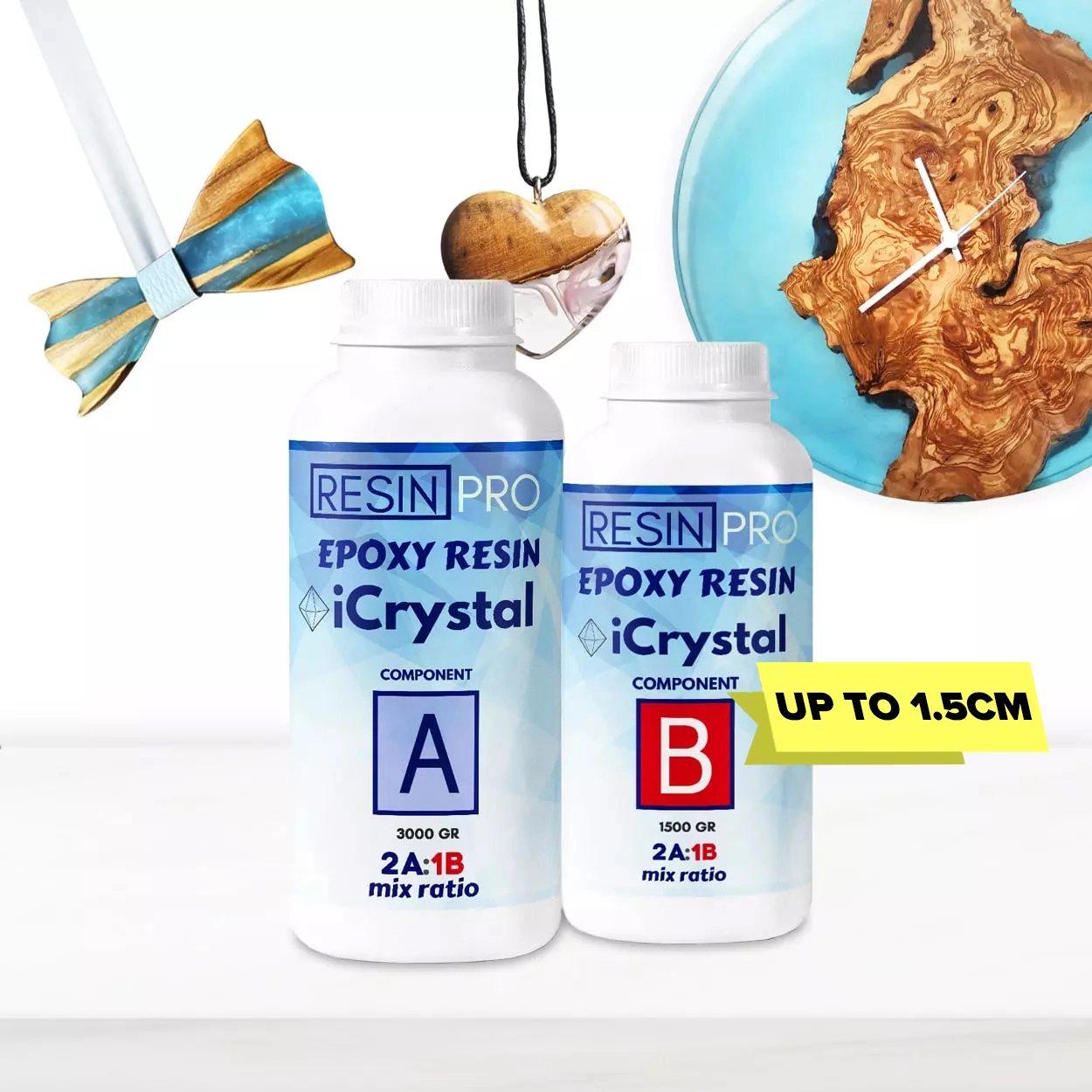 "Icrystal" – Clear Epoxy Resin – Odourless Formula – Up to 1.5cmPrice range: £11.65 through £954.85"Icrystal" is a transparent, odourless epoxy resin designed for craft and surface projects requiring good clarity.
 "Trasparente" – Multipurpose Clear Epoxy Resin for Casting – Up to 2cmPrice range: £8.45 through £948.85"Trasparente" offers a clear, self-levelling finish up to 2cm thick, suitable for woodworking, art projects, and carbon fibre applications.
Frequently Asked Questions
Which resin is ideal for maximum strength with carbon fibre?
The “Carbon Resin” – Epoxy Resin for Carbon Fiber & Fiberglass Coating is formulated for technical applications requiring strong bonding and high impact resistance. This specialist resin ensures robust structural integrity in carbon fibre laminates.
Is it essential to use epoxy resin for carbon composites?
Epoxy resin is highly recommended for most carbon fibre projects due to its superior bonding capabilities, flexibility, and resistance to cracking or delamination. While other resins exist, epoxy consistently provides better mechanical strength and long-term durability.
What about colour clarity and yellowing over time?
Bottling and casting resins such as “Icrystal” – Clear Epoxy Resin and “Trasparente” feature integrated UV filters and high clarity, offering excellent resistance to yellowing, which is vital for decorative or visible carbon fibre parts.
Can I use the same resin for both structural and artistic carbon fibre work?
While some multi-purpose resins, like “Trasparente” and “Icrystal”, deliver both clarity and toughness, technical applications—such as load-bearing or impact-prone parts—are best served with a specialist product such as “Carbon Resin”.
What mixing ratios are required for these resins?
Mixing ratios vary: “Carbon Resin” and “Trasparente” typically use a 3:2 or similar weight-based ratio, “One-2-One” is equal parts by volume, and “Icrystal” is simple 2:1 by weight. Always consult the product’s instructions for exact proportions and mixing guidance.
What layer thickness is possible with different resins?
“Trasparente” permits pours up to 2cm per layer, while “Icrystal” is suitable for layers up to 1.5cm. For thin coatings or fabric impregnation, “Carbon Resin” is ideal, while “One-2-One” is best for small, decorative coatings or jewellery finishes.
How can I achieve a bubble-free finish on carbon fibre?
Use resins labelled for excellent impregnation and follow all guidelines for mixing and application. Specialist carbon fibre resins typically minimise bubbles; ensure surfaces are clean and work in a dust-free area for best results.
Are these resins suitable for outdoor use?
Resins with UV filters, like “Trasparente” and “Icrystal”, are suitable for outdoor exposure. However, for prolonged or direct sunlight, additional clear coatings or finishes may enhance longevity.
Frequently Asked Questions
Are epoxy resins the best choice for carbon fibre projects?
Epoxy resins offer excellent bonding strength and durability, making them the preferred choice for both structural and decorative carbon fibre applications. Their chemical formulation allows maximum impregnation and maintains the integrity of composites over time.
What are the typical mixing ratios for carbon fibre resins?
Mixing ratios depend on the specific resin. "One-2-One" uses a 1:1 ratio by volume, "Icrystal" is 2:1 by weight, while specialist and multipurpose resins often use 3:2 or similar ratios. Always refer to individual product instructions.
How can I avoid bubbles when using resin on carbon fibre?
Work in a clean environment, use a specialist resin with strong impregnation properties, and mix gently to minimise aeration. Applying resin slowly and allowing bubbles to rise before curing also helps achieve a flawless finish.
What is the difference between multipurpose and specialist resins for carbon?
Specialist resins are formulated for enhanced mechanical strength and fabric impregnation, ideal for technical carbon fibre work. Multipurpose resins suit artistic or general uses, providing clarity and versatility for less demanding applications.