 Free shipping on orders over £29,85
  Shipping Tracking!


 Google
 Facebook
← Back to How do you mix bifasic resin?

Creating flawless resin projects depends on careful attention to mixing and curing conditions. Temperature is one of the most crucial factors impacting the quality and finish of your resin work.
Ideal Temperature Range for Resin Work
For most bifasic (two-component) resins, the best temperature for both mixing and curing is between 20–25°C—typical room temperature. Working within this range supports correct chemical reactions during the curing process, avoids curing issues, and helps ensure a clear, even finish.

Practical Guidance for Mixing and Curing
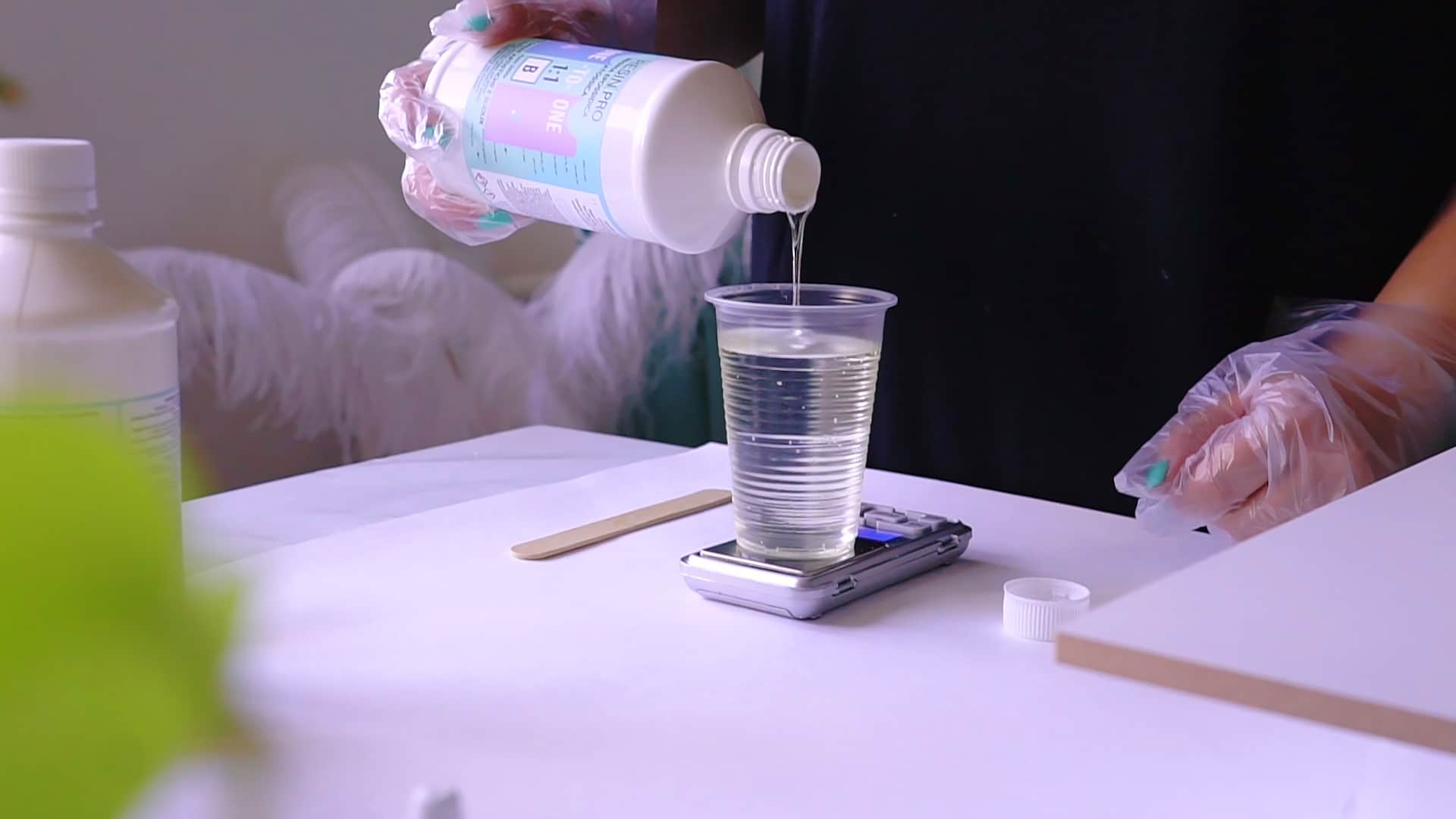
- Before you start: Allow both resin and hardener to reach room temperature before measuring and mixing. Cold resin can be more difficult to work with and may result in bubbles or incomplete curing.
- While working: Mix your resin in an area with stable temperatures. Avoid chilly garages or rooms in direct sunlight, as heat or cold can speed up or slow down curing, affecting the outcome.
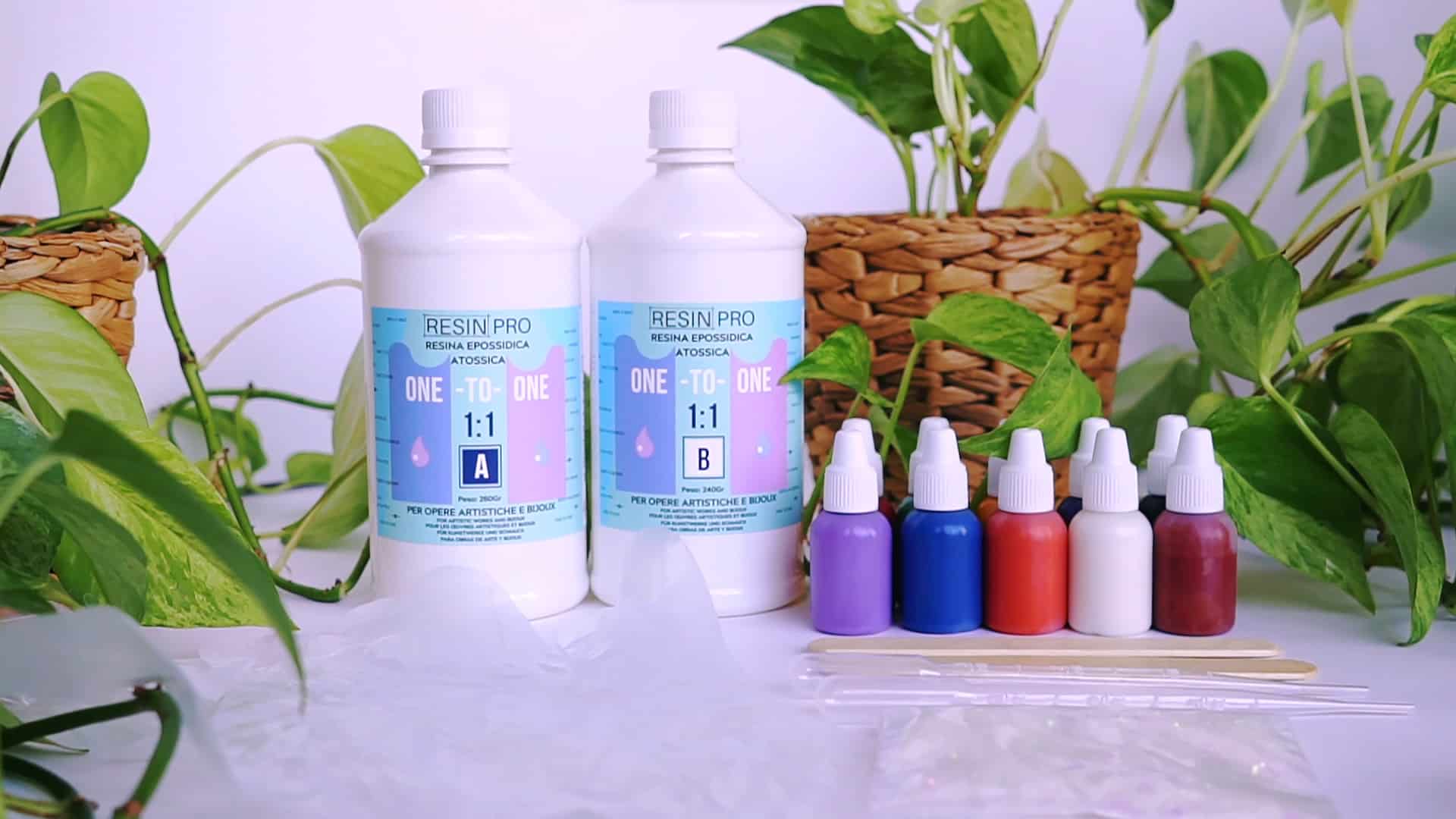
- For easy preparation: Products like the “One-2-One” – Epoxy Resin for Handcraft, 1:1 Mixing Ratio feature a straightforward mixing ratio that helps keep the process simple for both beginners and experienced crafters.
When This Matters Most
If temperatures fall outside 20–25°C, you might encounter longer curing times, tacky finishes, or unwanted cloudiness. Those creating larger or thicker projects, where more heat can be generated internally, should be especially mindful of environmental temperature to prevent overheating or improper curing.
Related products
Related guides
Maintaining the correct temperature is an easy way to improve your resin results. For more tips on perfect mixing and curing, discover our main guide on how to mix bifasic resin.