 Free shipping on orders over £29,85
  Shipping Tracking!


 Google
 Facebook
← Back to How to make moulds for resin?
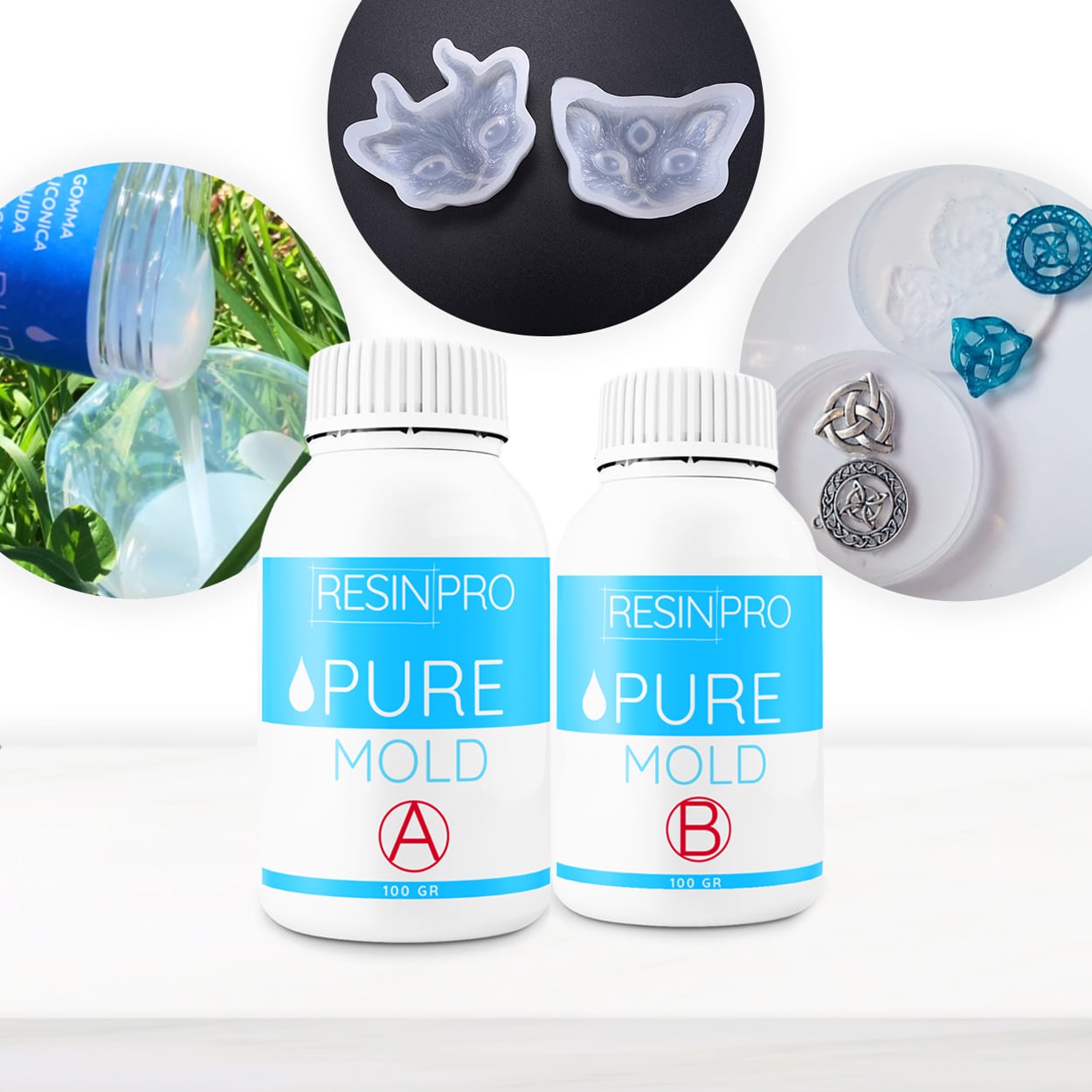
Air bubbles can create imperfections in resin projects, especially when using silicone moulds. Fortunately, a few careful techniques can help ensure remarkably smooth results.
Why Do Bubbles Form in Silicone Moulds?
Bubbles often appear when air becomes trapped while mixing or pouring silicone. These pockets can mar intricate details or weaken the final mould. Slow and steady preparation minimises the risk of bubbles and preserves your design’s clarity.
Effective Techniques for Bubble-Free Moulds
- Pour Gradually: Always pour your silicone from one corner of the mould box in a thin stream. Let the silicone flow over your model naturally, which reduces trapped air.
- Tapping and Tilting: Gently tap or tilt the container after pouring to help bubbles rise and escape before the rubber begins to cure.
- Consider Silicone Quality: High-quality silicone like “Pure Mould” – Translucent Liquid Silicone Rubber for Mould Making offers a low viscosity, allowing air to escape more easily during setup.
When This Matters Most
Bubble prevention becomes especially important for highly detailed or transparent resin casts, where imperfections are most obvious. Taking a patient approach helps you achieve professional, repeatable results each time.
Related products
Related guides
Mastering bubble prevention ensures your resin moulds are clean and precise, paving the way for stunning finished pieces. Explore more resin moulding techniques and product recommendations in our main guide How to make moulds for resin?.