 Free shipping on orders over £29,85
  Shipping Tracking!


 Google
 Facebook
← Back to How to make artificial resin
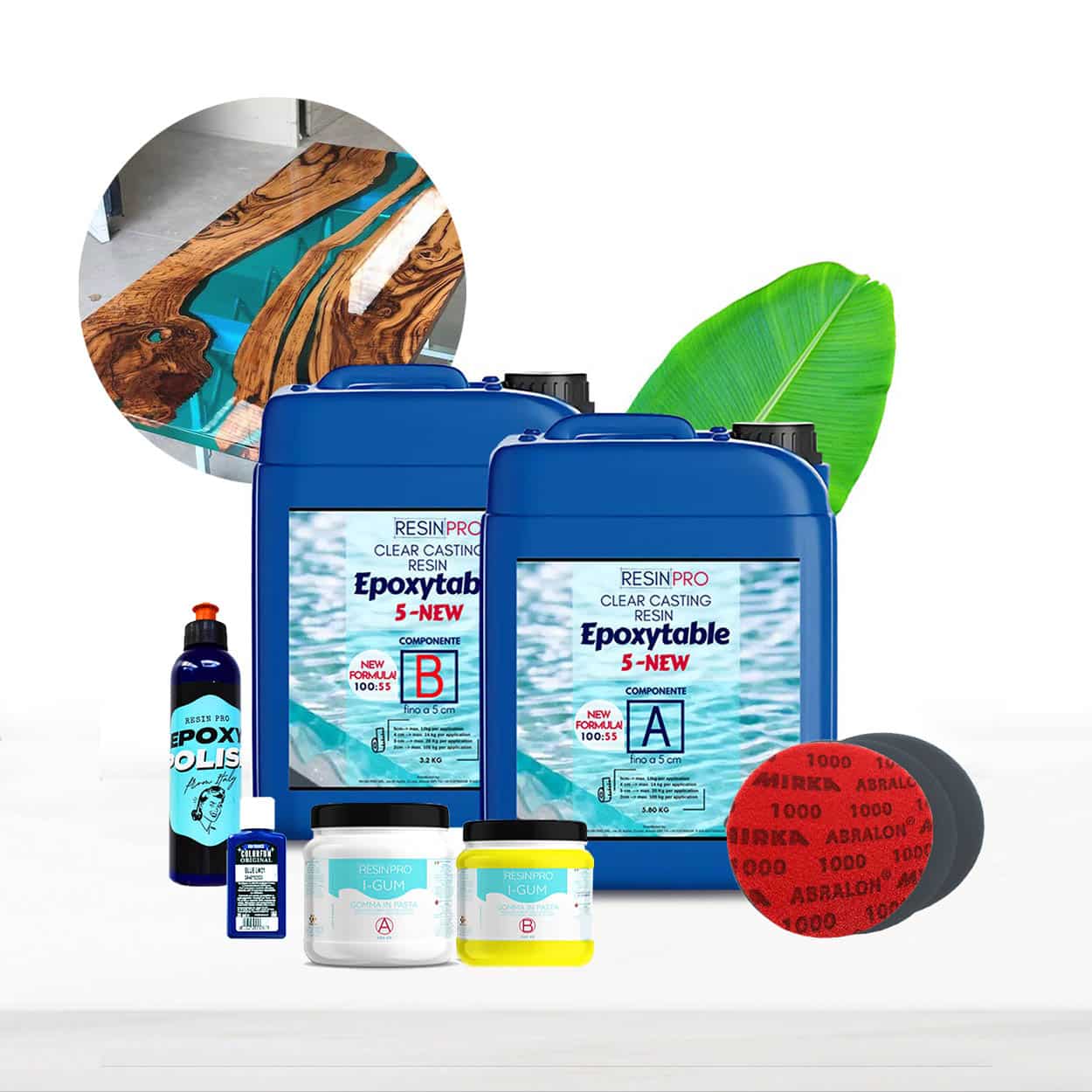
Whether you’re casting jewellery, making coasters, or taking on larger resin furniture projects, having the right tools is key to achieving neat, reliable results. Let’s look at the essential equipment for working with artificial resin at home or in a studio.
Basic Tools for Resin Mixing and Casting
To start, you’ll need accurate measuring cups or digital scales to ensure your resin and hardener are mixed in the correct ratios. Stirrers or mixing sticks – either wooden or plastic – are essential for blending components thoroughly, helping prevent unmixed patches that can cause curing issues. Disposable nitrile or vinyl gloves will protect your hands from sticky spills and make clean-up easier.
- Measuring cups or jugs (preferably marked for precise volume)
- Digital scale (particularly useful for epoxy resin)
- Mixing sticks or paddles
- Protective gloves (nitrile or similar)
Shaping and Moulding Equipment
The choice of mould depends on your planned project. Food-grade silicone moulds are widely used for casting resin due to their flexibility and ease of demoulding. For larger designs such as resin tables, secure formwork and reliable sealing (as found in complete beginner kits like the “River-Table” Kit) are important to control the shape and prevent leaks. For smaller craft resin projects, a variety of ready-made or custom silicone moulds are available.
Finishing and Workspace Tips
Depending on your finish preferences, you may want tools for polishing and refining the cured resin. Sandpaper, microfibre cloths, and, for larger projects, polishing creams can give a smooth or glossy finish. An organised workspace lined with plastic sheeting or a silicone mat helps with spill management and makes cleaning up effortless. If you’re new to resin, kits such as the Coasters Creative Kit come with the basic tools included for convenience.
When This Matters
Selecting the right tools becomes especially important when precise mixing and safety are needed – for example, when working with multi-component resin systems or when a flawless finish is a priority. Using dedicated resin tools ensures reliable results and helps avoid common pitfalls like poor curing or messy casts.
Related products
Related guides
Equipping yourself with the right resin-making tools sets the stage for successful results, whether you’re starting with a creative kit, experimenting with eco-friendly NatuResin, or tackling a larger project. For a full guide to artificial resin methods, explore further on our main guide to how to make artificial resin.