 Free shipping on orders over £29,85
  Shipping Tracking!


 Google
 Facebook
← Back to How do you install a resin water softener?
Selecting the right resin for your water softener is crucial for achieving reliable water treatment performance and system longevity. Using the correct type also ensures compatibility and safe operation.
Manufacturer Recommendations Matter
It is always best to follow the resin type specified by your water softener’s manufacturer. Different softening systems are designed to work with specific resins, often based on material compatibility and treatment efficiency. Refer to your user manual or manufacturer’s website for these details to avoid issues such as channeling or poor regeneration.
Mineral vs. Synthetic Resin Options
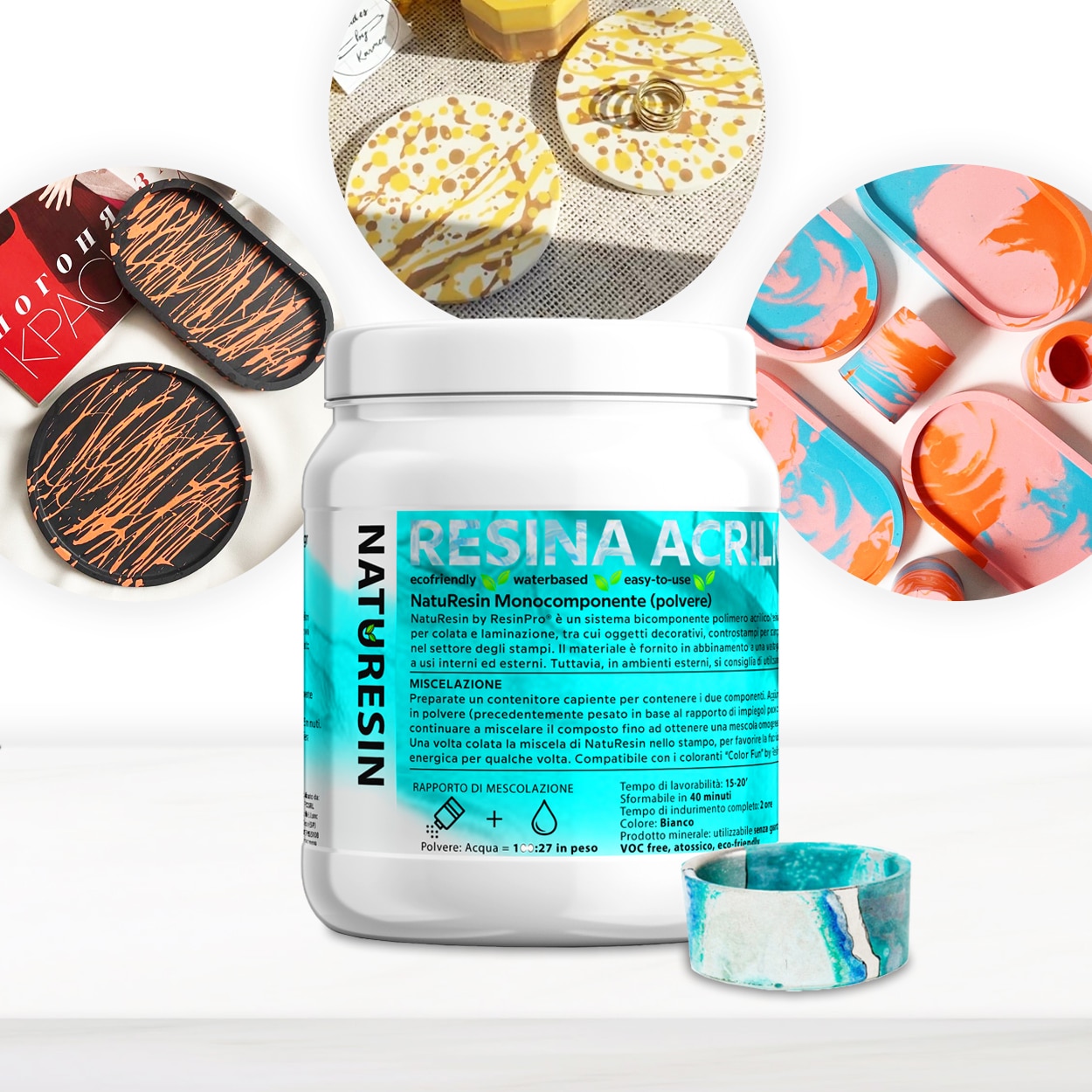
Traditional softener resins are commonly synthetic ion-exchange beads, but more manufacturers now offer eco-friendly mineral resin alternatives. Mineral-based options, for example those similar to NatuResin water-based mineral resin, are solvent-free and non-toxic. These are designed for safer handling and reduce the risk of harmful chemical exposure, making them a compelling choice for households prioritising safety and environmental impact.
When Resin Choice Matters Most
- If you wish to minimise exposure to volatile organic compounds (VOCs) and solvents.
- When setting up systems for households sensitive to chemical residues.
- If your local water conditions require high-performance or specialised resins for effective softening.
Related products
Related guides
Choosing the right resin is fundamental when installing or maintaining any resin-based water softener system. For a full step-by-step guide on installation, visit our main page on how to install a resin water softener.