 Free shipping on orders over £29,85
  Shipping Tracking!


 Google
 Facebook
← Back to Essential Maintenance Tips for Resin Bound Paving
Resin bound driveways are valued for their smooth finish and permeability, but over time, exposure can dull their appearance and lessen their effectiveness. Knowing when to reseal helps keep your driveway both attractive and functional for years.
Recognising When Resealing Is Needed
The most obvious indicators that a resin bound driveway requires resealing are dull or faded patches, small surface cracks, or water pooling instead of draining effectively. These signs suggest the protective layer is wearing thin, making the surface vulnerable to weather and UV damage.
- Dull or patchy appearance – Often one of the first warning signs.
- Minor cracks – Address these promptly to prevent deeper flaws.
- Loss of permeability – Watch for standing water after rain.
Best Timing and Preparation
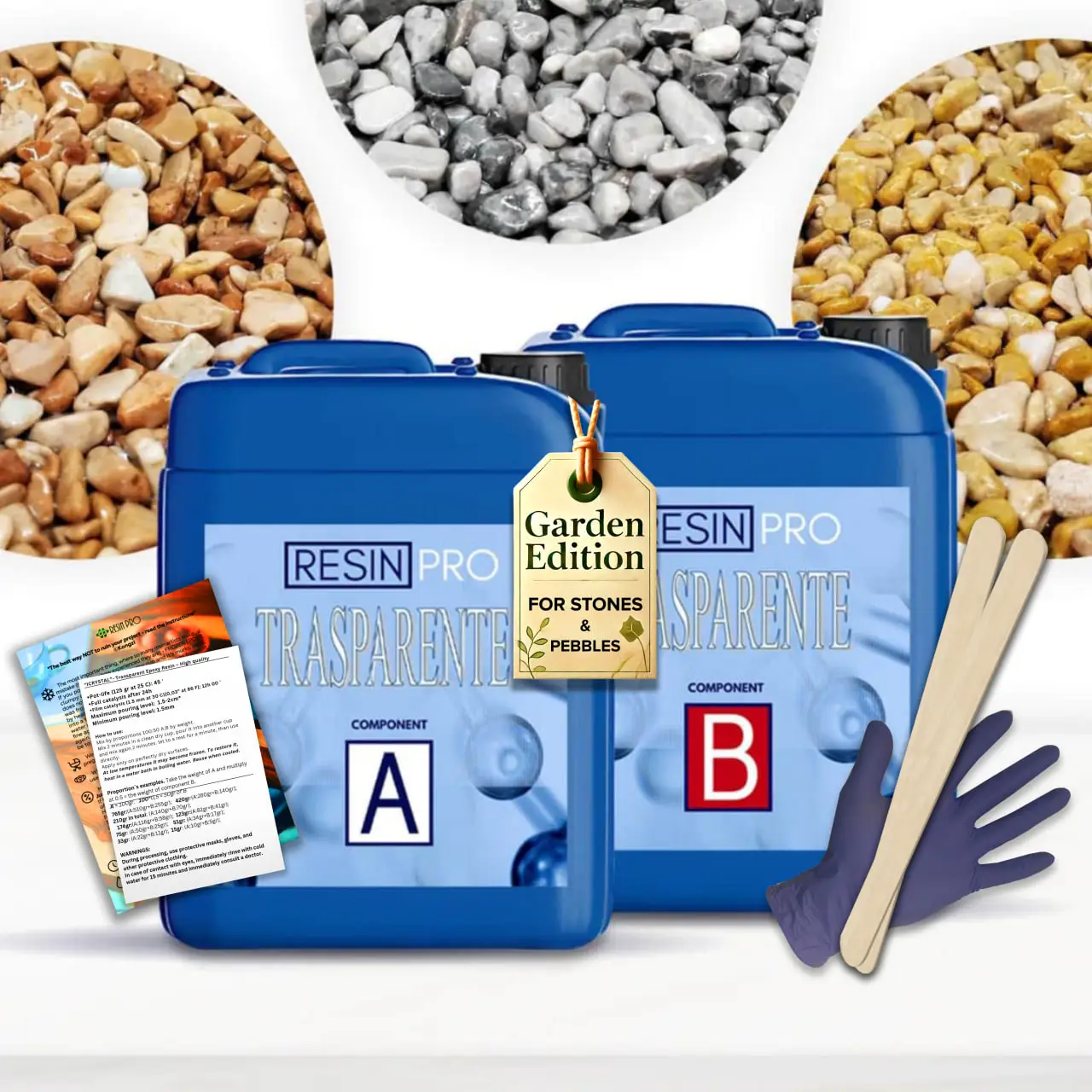
It’s generally recommended to check your driveway annually and to reseal every few years, depending on usage and weathering. Choose a dry, mild day for application to ensure the new seal adheres well. Before resealing, thoroughly clean the surface to remove debris, and repair any minor damage. Select a compatible sealing binder—such as a polyurethane for white stones or an epoxy like “Trasparente” Epoxy Binder for coloured stones—to ensure correct bonding and finish.
When This Matters Most
Frequent vehicle use, exposure to harsh sunlight, and high footfall can all speed up wear, making regular inspections and timely resealing especially important for maintaining long-term durability and an attractive finish.
Related products
Related guides
Proactive resealing not only preserves the look of your resin bound driveway but also supports its drainage and structural integrity. For more maintenance guidance and tips, see our main guide: Essential Maintenance Tips for Resin Bound Paving.