 Free shipping on orders over £29,85
  Shipping Tracking!


 Google
 Facebook
Where should cementitious resin not be applied?
Key limitations and safe alternatives for outdoor surfaces
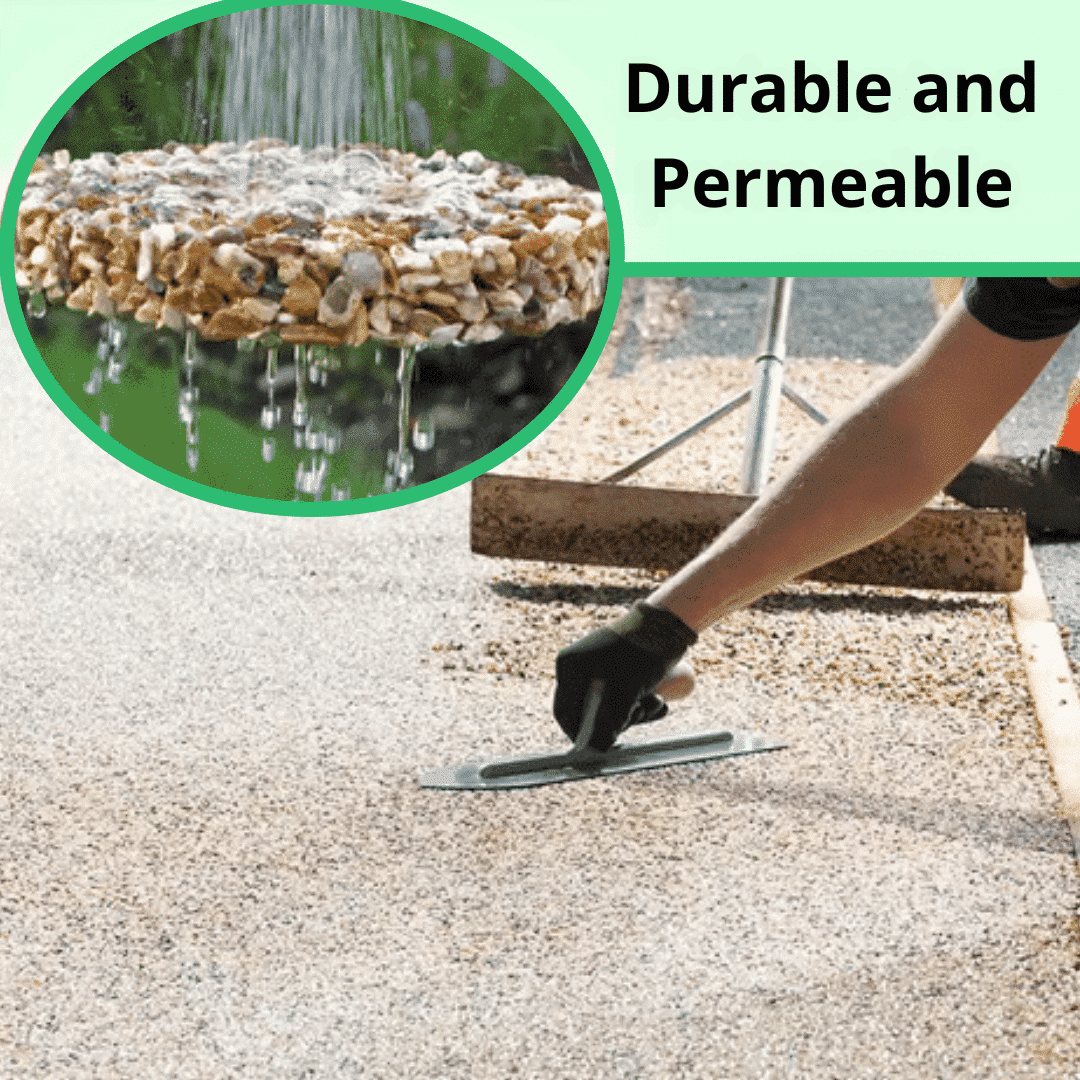
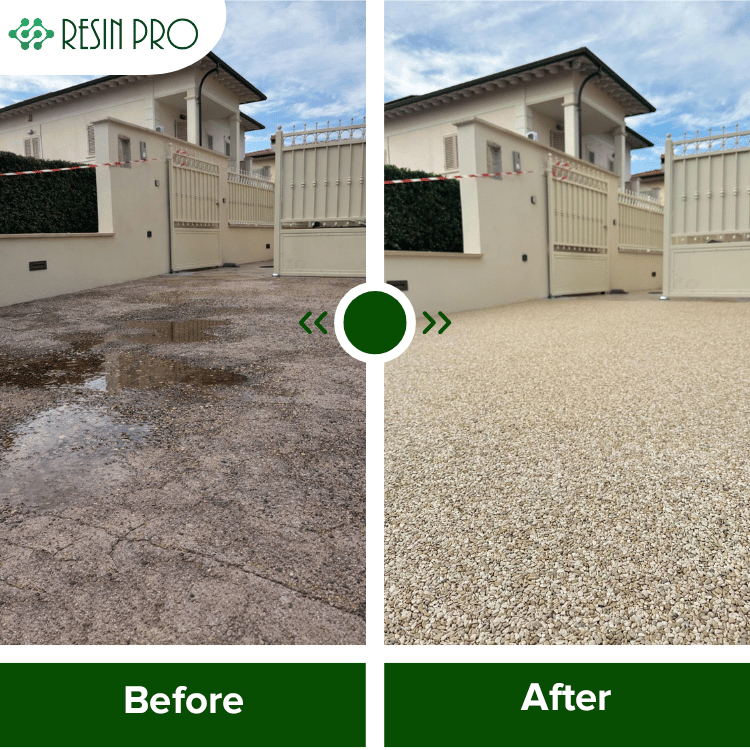
Choosing the right resin for your project is crucial. Cementitious resins offer unique benefits but have limitations that can lead to problems if installed on unsuitable surfaces or in the wrong context. This page informs architects, homeowners, and contractors about where cementitious resins should not be applied and the best alternatives available from ResinPro.
Cementitious Resin: Key Limitations and Alternative Options
Cementitious resin is excellent for sealing and finishing absorbent surfaces like concrete, but it is not suitable for all surfaces and conditions. Knowing when—and where—not to use it avoids costly repairs, poor adhesion, and surface failures. Alternative resin technologies like epoxy and polyurethane binders may be better suited for outdoor, permeable, or decorative projects, especially when working with pebbles or loose aggregates.
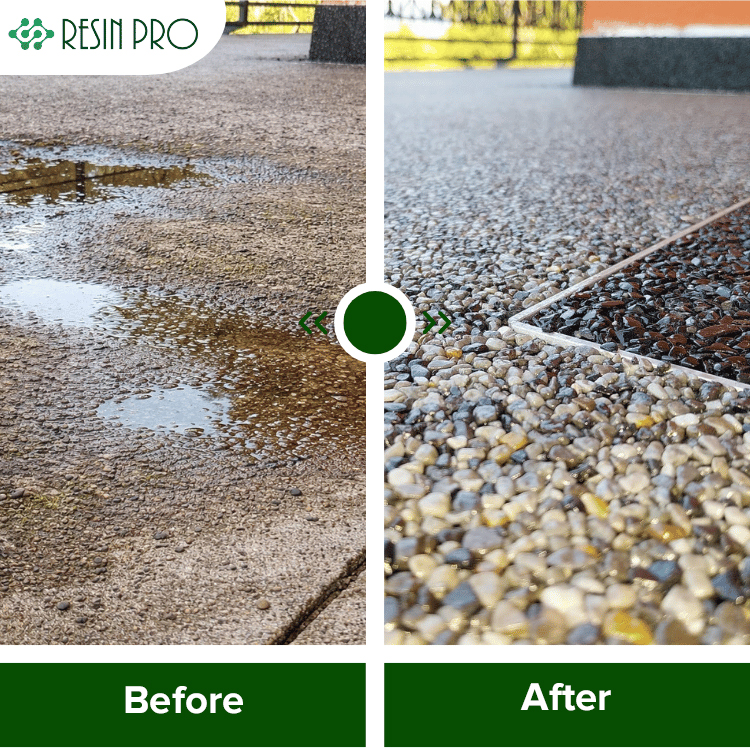
Visualising Resin Surfaces: Typical Applications and Limits
Review common outdoor resin applications such as driveways, patios, and decorative paths. Note which projects benefit from alternatives to cementitious resin: permeable pebble floors, white aggregate finishes, and garden features requiring water drainage. Images typically show why the correct binder choice prevents future damage.
“Flowstone” – Complete Permeable Floor Kit with Pebbles and Resin
“Flowstone” – Complete Permeable Floor Kit with Pebbles and Resin is specially designed for outdoor driveways, patios, and footpaths requiring a decorative, draining surface. This product combines pebbles and resin for high durability and optimal water permeability, making it especially suitable for the UK climate. Importantly, this solution avoids the limitations of cementitious resin by using appropriate binders for each aggregate type: non-yellowing polyurethane for white stones (to prevent discolouration) and a low-yellowing epoxy for coloured granules. Permeable solution and customisable finish options are key advantages, while it is unsuitable for non-draining or traditional indoor applications.
“Trasparente” – Epoxy Binder for Coloured Pebbles and Grits
The “Trasparente” – Epoxy Binder for Coloured Pebbles and Grits addresses scenarios where cementitious resin isn’t the right choice, particularly for bonding loose coloured pebbles and grits in decorative flooring. This crystal-clear, UV-resistant resin is designed to encapsulate and bond aggregates for durable, permeable floors. It is not intended for direct use on surfaces that require the deep-penetrating characteristics of cementitious resin, nor is it recommended for applications exceeding 2 cm in casting thickness.
“Resinstone” – One-Component Methacrylic Resin for Concrete Floors and Driveways
“Resinstone” – One-Component Methacrylic Resin for Concrete Floors and Driveways exemplifies when cementitious-style resins are appropriate: on absorbent, mineral-based surfaces like concrete. It provides waterproof, durable protection, and quick drying properties. This product should not be used to bind loose gravel or as a coating over non-absorbent or uneven surfaces, as it relies on substrate absorption for mechanical adhesion.
“Polirock” – Polyurethane Binder for White Stones, 2kg Two-Component Kit
“Polirock” – Polyurethane Binder for White Stones, 2kg Two-Component Kit is specifically formulated for white and natural aggregates where long-term colour clarity and permeability are required. Unlike cementitious resin, which may discolour or fail to bind certain aggregates, “Polirock” delivers a strong, non-yellowing, weather-resistant bond. It should be used in contexts demanding permeable, anti-slip finishes rather than traditional cementitious applications.
Where Not to Use Cementitious Resin: Surfaces and Scenarios to Avoid
There are important limitations to the use of cementitious resin products. Avoid application on loose or non-absorbent substrates, such as existing gravel, because these surfaces will not allow the resin to cure or bond correctly. Cementitious resin is also unsuitable for decorative pebble or aggregate surfaces requiring water permeability—for these, epoxy or polyurethane binders offer safer, longer-lasting results. For white aggregates, always prefer polyurethane resin to preserve visual integrity. For coloured aggregates and permeable floors, epoxy formulations are usually a better bet. Carefully match the substrate with the right resin technology for safe, attractive, and durable finishes.
Examples: When to Avoid Cementitious Resin
Compare images of correct versus incorrect uses—for instance, loose gravel incorrectly coated with cementitious resin or poor adhesion on non-porous surfaces. See how proper resin selection results in robust, lasting, and visually appealing finish while reducing maintenance issues.
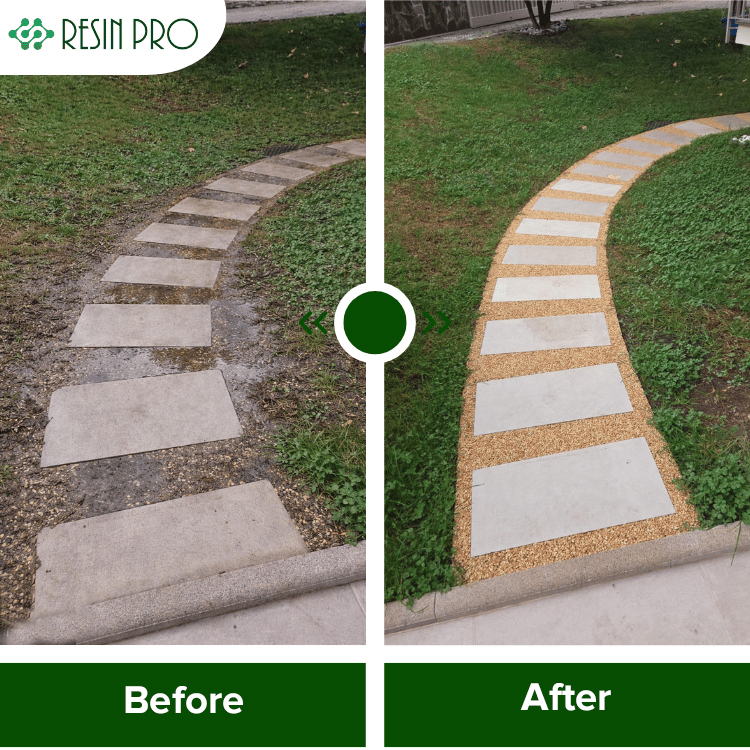
- "Flowstone" – Complete Permeable Floor Kit with Pebbles and ResinPrice range: £49.95 through £3,915.45"Flowstone" kit offers a permeable pebble and resin solution for driveways and paths with easy application and colour-specific resin guidance.
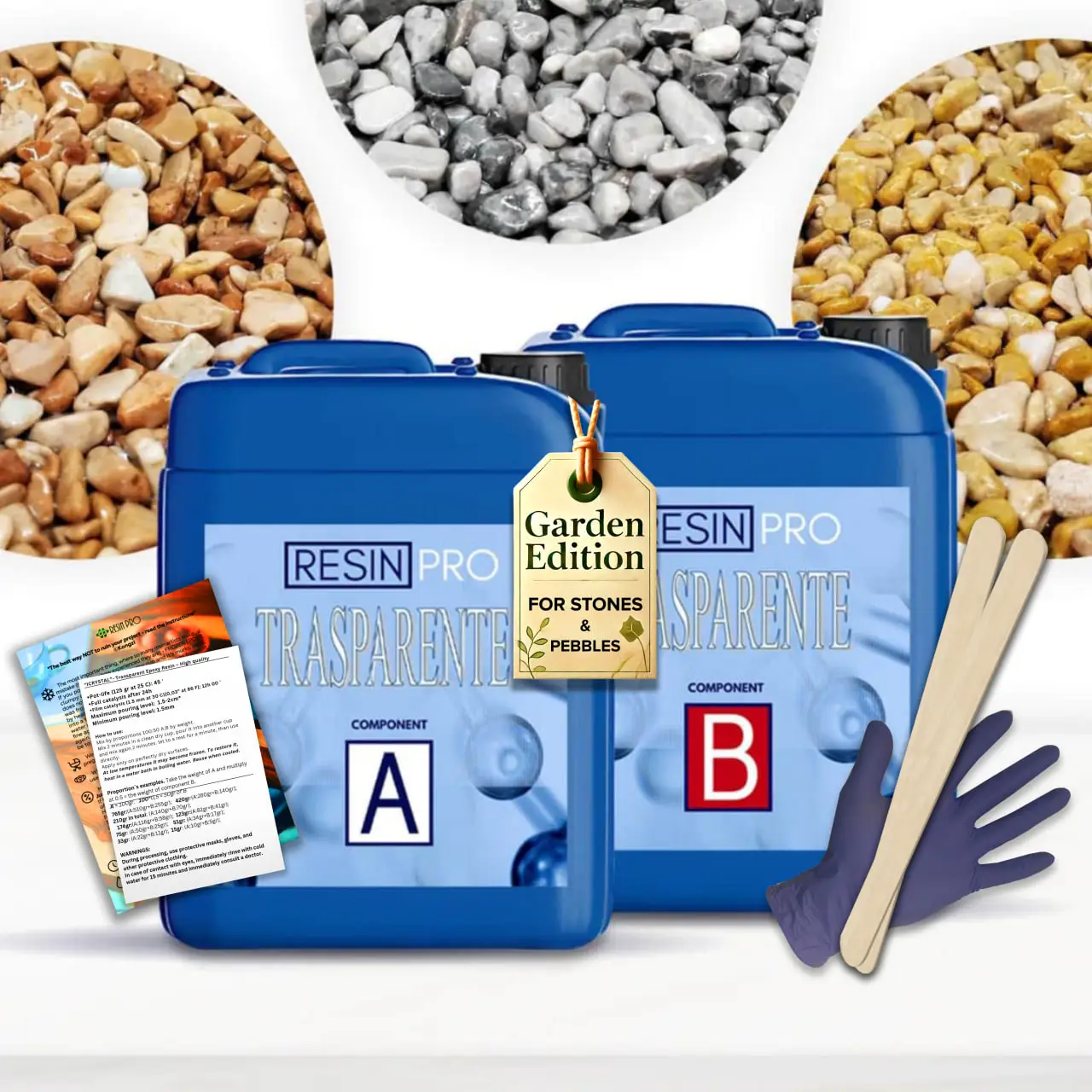 "Trasparente" – Epoxy Binder for Coloured Pebbles and GritsPrice range: £33.45 through £397.95A transparent epoxy binder designed for coloured pebbles and grits, providing a clear, UV-resistant finish suitable for permeable floors.
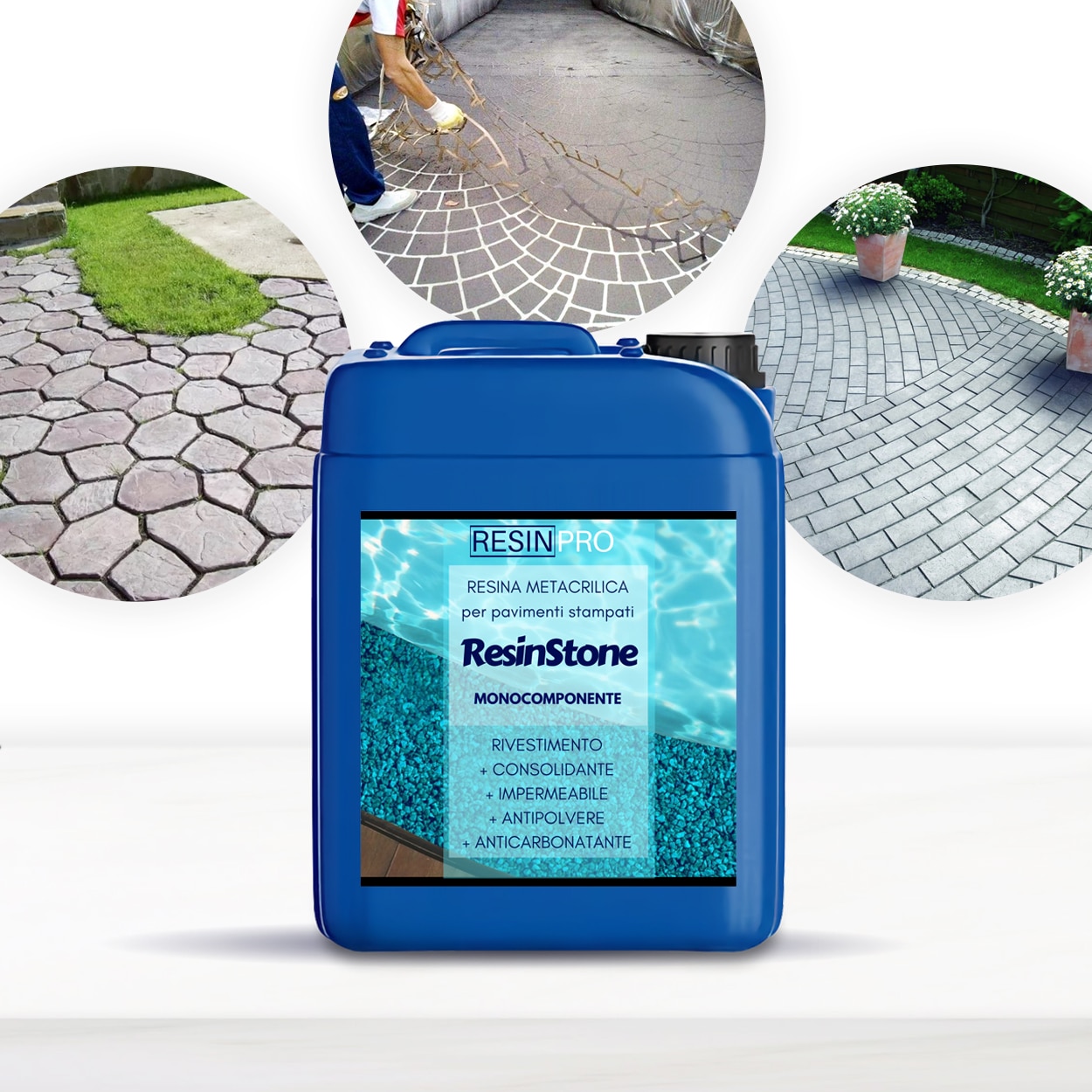 "Resinstone" – One-Component Methacrylic Resin for Concrete Floors and DrivewaysPrice range: £36.71 through £336.48"Resinstone" is a one-component methacrylic resin designed for sealing concrete floors and driveways with durable and breathable protection.
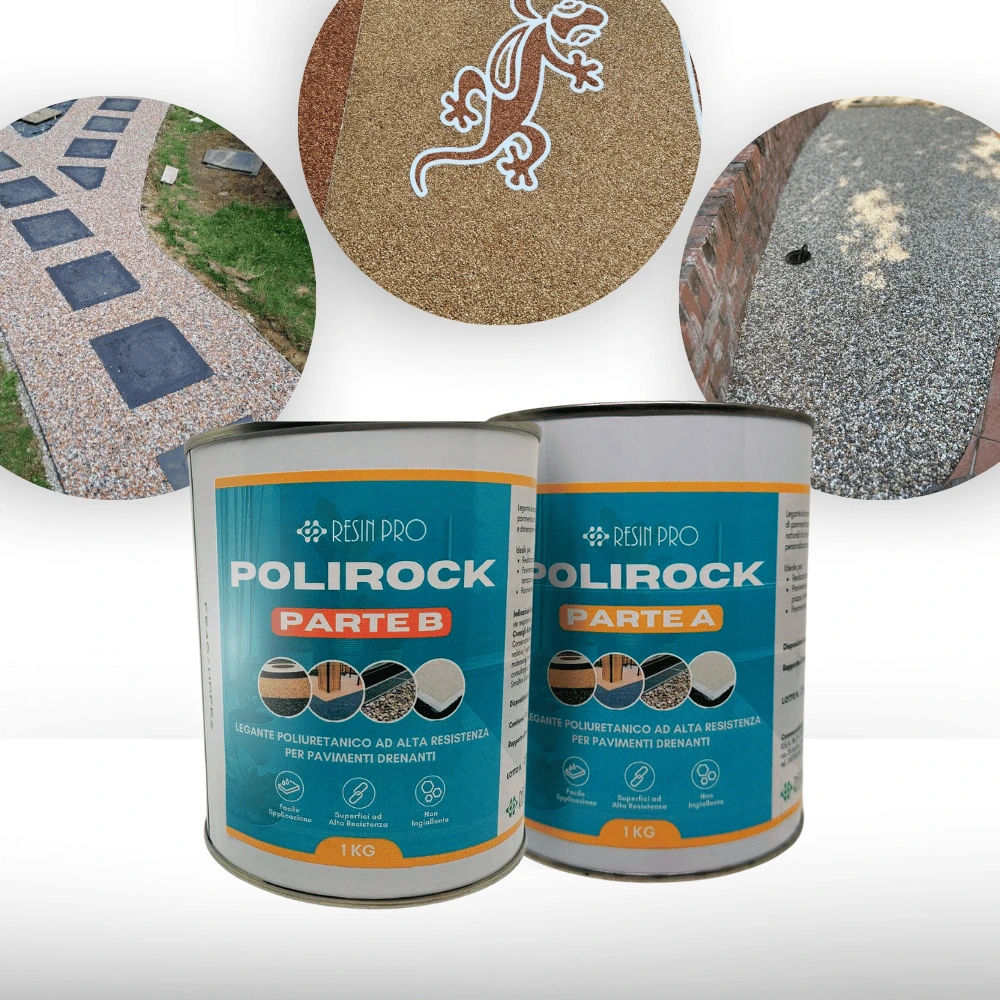 "Polirock" – Polyurethane Binder for White Stones, 2kg Two-Component Kit£61.95POLIROCK is designed for durable, clear, weather-resistant outdoor surfaces using white stones, suited for pedestrian and vehicular areas.
Frequently Asked Questions
Can I use cementitious resin on gravel?
No, cementitious resin should not be used on loose or existing gravel, as it will not bond properly or provide structural stability.
Is cementitious resin suitable for white aggregates?
No, it can cause yellowing or discolouration. Polyurethane binders are the preferred choice for white stones to retain their colour.
Can cementitious resin make surfaces permeable?
No, cementitious resin forms a sealed, non-permeable layer, making it unsuitable for areas that require water drainage.
Can I use cementitious resin on non-absorbent surfaces?
No, cementitious resin needs an absorbent, mineral substrate like concrete to achieve proper adhesion and durability.
What is a better alternative to cementitious resin?
Epoxy or polyurethane resin binders are better for pebble, aggregate, and permeable surfaces. Choose based on aggregate colour and project needs.
Will cementitious resin fix loose stone paths?
No, it is ineffective on loose stones or aggregates. Use a suitable stone binder designed for granular substrates instead.