 Free shipping on orders over £29,85
  Shipping Tracking!


 Google
 Facebook
← Back to Why does resin spread into craters when sprayed?
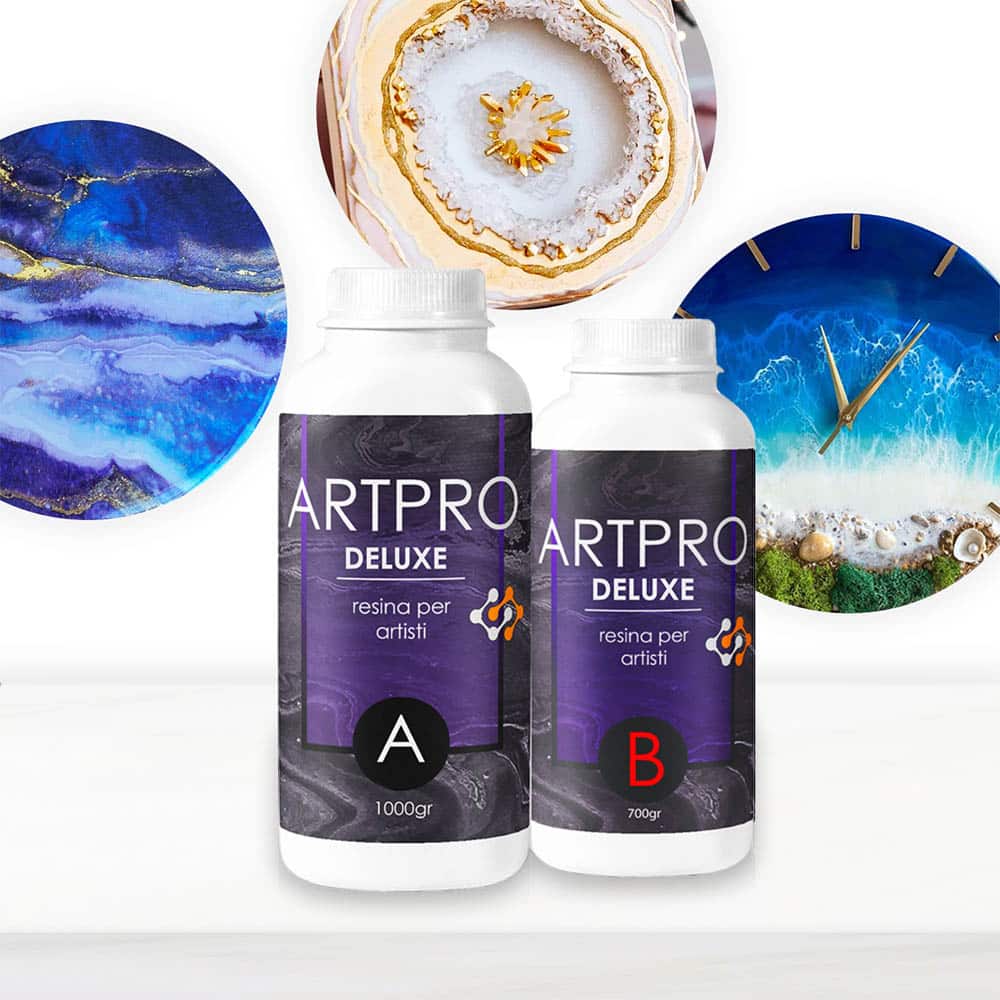
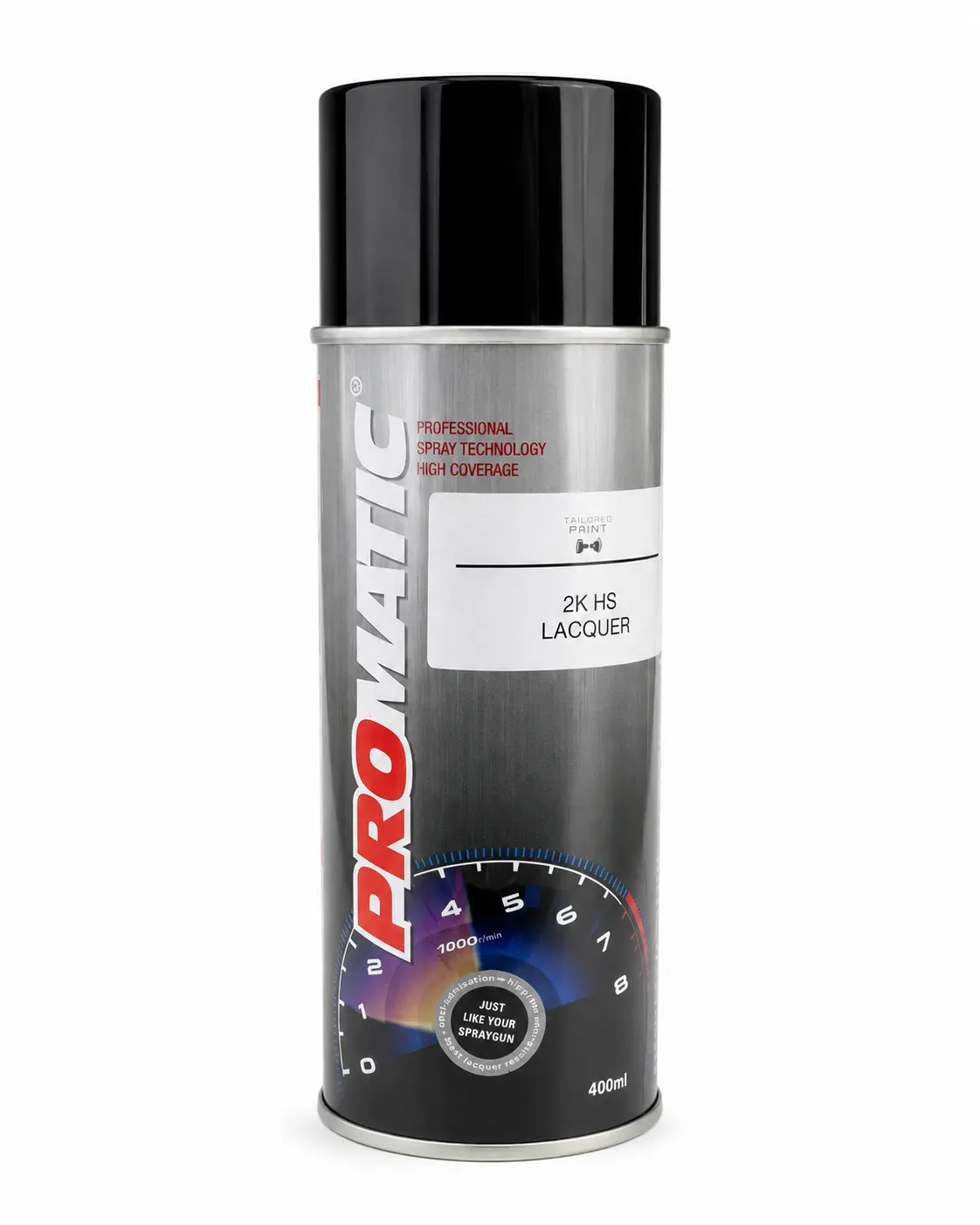
Cratering, or the formation of small dips and holes during resin spraying, can spoil the smoothness of your project. Selecting a resin with suitable flow properties is key to achieving an even, professional-quality finish.
How Resin Choice Influences Crater Prevention
Using a resin with controlled or higher viscosity helps reduce cratering. For resin art, a thicker formula like Art Pro Deluxe limits the spread into surface imperfections, keeping your finish far more consistent. For glossy protective coats, 2K Clear Coat Lacquer Aerosol Spray is specifically designed to deliver a smooth, even layer when the underlying surface is clean and well-prepared.

Tips for Optimal Spray Results
- Always clean and prepare your surface thoroughly to remove dust, grease and residues, which can cause cratering.
- Apply resins or spray lacquers in thin, even passes rather than a single heavy coat to avoid pooling and crater formation.
- Consider environment factors—such as humidity and temperature—that can impact how well a sprayed resin settles.
When Resin Selection Matters Most
Choosing a suitable product is crucial when spraying resin on textured, uneven, or particularly absorbent surfaces. For artists and crafters aiming for crisp lines or a flawless finish, a product formulated to resist unwanted flow—like Art Pro Deluxe or a well-designed spray lacquer—makes all the difference.
Related products
Related guides
Selecting the right resin or spray lacquer can help you avoid cratering and achieve a smooth, attractive finish every time. For more on addressing resin issues, visit our main guide on why resin spreads into craters when sprayed.