 Free shipping on orders over £29,85
  Shipping Tracking!


 Google
 Facebook
← Back to What is the Shore hardness of silicone rubber?
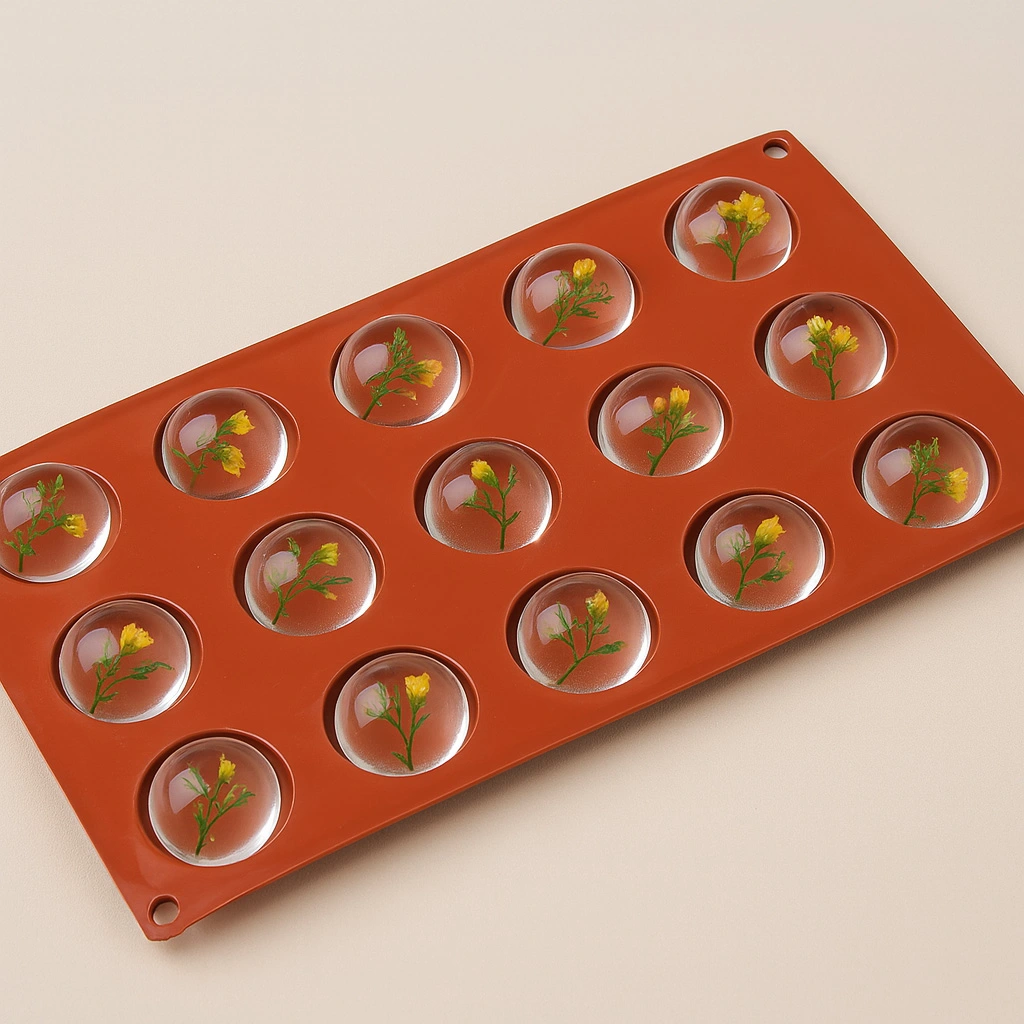
If you’re working on projects involving chocolate, ice, or other edible creations, it’s crucial to know whether your silicone rubber moulds are actually safe for food contact. Here’s how to make sure you’re choosing the right moulds for the job.
Understanding Food Safety in Silicone Rubbers
Food safety is not universal across all silicone rubbers. Only products specifically tested and certified as safe for food use should come into direct contact with food. This certification typically reflects compliance with hygiene and material safety standards relevant to food, such as those set by regulatory authorities.
- Look for product descriptions mentioning food-grade certification.
- If in doubt, consult the supplier’s documentation for evidence of testing.
- Silicones intended for crafts, resins, or non-edible casting usually aren’t covered by food-use standards.

Choosing the Right Silicone Mould for Food
For kitchen projects like chocolates or homemade sweets, always select moulds that specify food safe use. For example, the “Cabochon-15” Silicone Mould is designed for both edible and craft applications, making it suitable for casting chocolate or ice as well as non-food uses like soap or resin. Confirm whether the mould references dishwasher safety or specific food-contact advisories.
When Food Safety Matters Most
Prioritise food safety when products will reliably come into direct contact with anything eaten or drunk – chocolates, ice cubes, sweet decorations or jelly. It is less critical for decorative pieces, jewellery, or crafts not intended for consumption, where general silicone rubber is adequate.
Related products
Related guides
Being aware of food safety lets you select the right silicone moulds for edible or craft projects alike. For detailed information on silicone qualities, including Shore hardness, visit our main guide: What is the Shore hardness of silicone rubber?