 Free shipping on orders over £29,85
  Shipping Tracking!


 Google
 Facebook
What is the Shore hardness of silicone rubber?
Find the right silicone hardness for moulds and projects
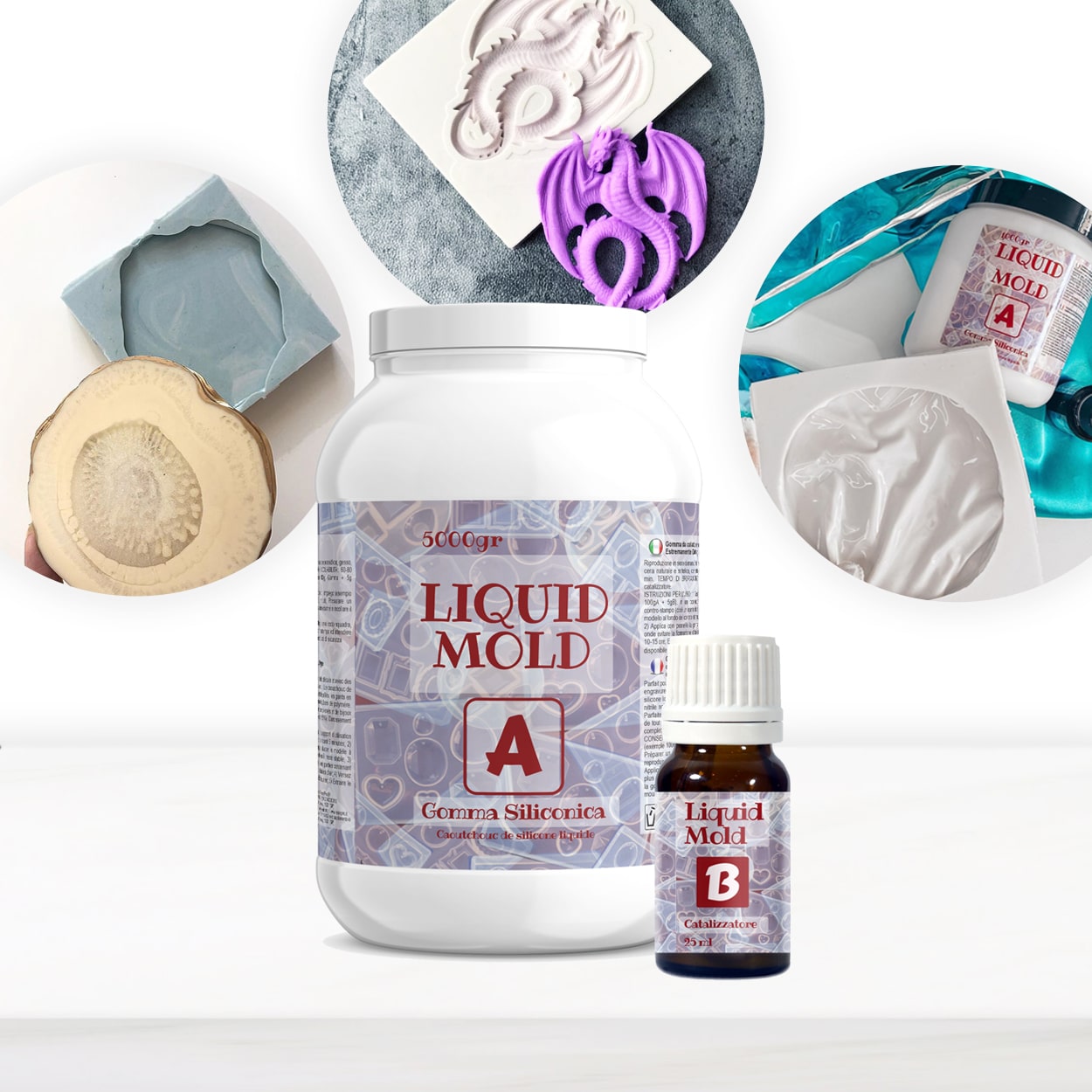
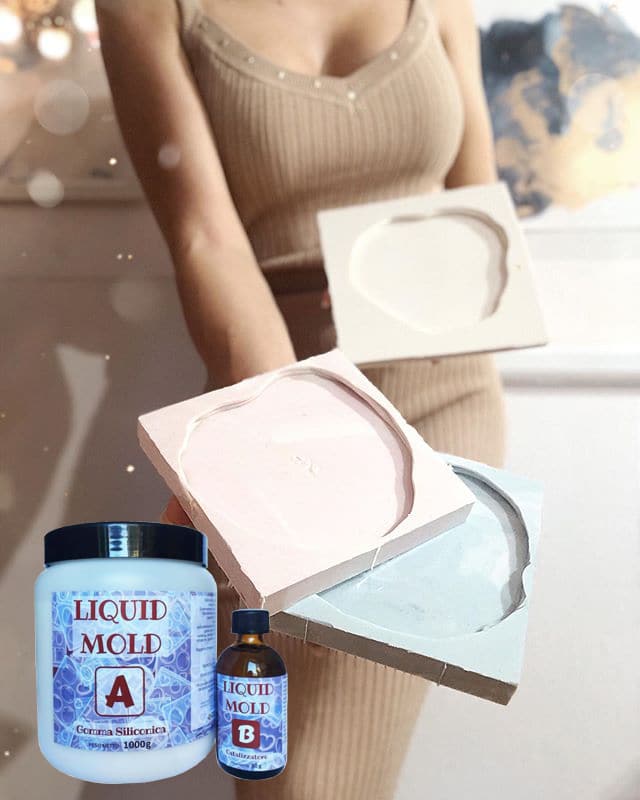
Understanding the Shore hardness of silicone rubber is crucial for anyone involved in mould making, resin casting or crafts requiring flexibility and resilience. This page is designed to help hobbyists, artists, and professionals identify the right silicone hardness for their specific project, with direct references to key products available from ResinPro.
Shore Hardness Comparison for Silicone Rubber
Shore hardness refers to how firm or flexible a silicone rubber is, measured on an industry-standard scale (most commonly Shore A for soft rubbers). Lower Shore values (like 5 or 10) mean a softer, more pliable rubber, which is ideal for capturing fine details and ensuring easy demoulding. Higher Shore values (such as 30 or 40) represent firmer, more rigid silicones that may be best for larger or more robust moulds that require extra support or dimensional stability. The choice of Shore hardness should depend on the intricacy of your object, the casting material used, and the desired mould durability.
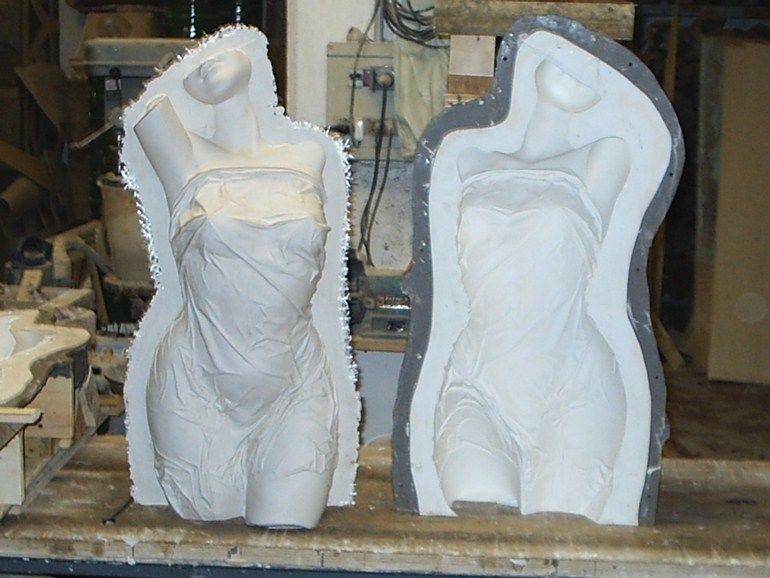
Visual Guide to Silicone Rubber Shore Hardness
See how varying Shore hardness levels affect the flexibility and use of silicone rubbers. Visual comparisons help illustrate the difference between soft, medium and firm silcones, making it easier to select the right option for your mould or craft project.
Flexible Silicones for High Detail and Undercuts
If your project demands exceptional detail reproduction, especially for small objects and jewellery, “Liquid Mould” – Casting Liquid Silicone Rubber, 5-40 Shores, Bi-Component A+B is specifically engineered to offer a range of Shore hardness from 5 up to 40. These silicones, requiring a catalyst addition, excel at producing precise moulds and can accommodate designs with deep undercuts or complex shapes. Their flexibility also helps when demoulding delicate pieces, especially when working with resin, soap, wax, plaster, or concrete. For those needing a predetermined softness, “Liquid Mould” – Casting Liquid Silicone Rubber, 15 Shores 20.8 kg provides a soft but supportive Shore 15, ensuring a good balance between flexibility and mould integrity.
Translucent Platinum-Based Silicone Options
Sometimes a clear view of the mould during casting is essential, or non-toxicity is a priority. The “Pure Mould” – Translucent Liquid Silicone Rubber for Mould Making provides a translucent finish and is available in various Shore hardness levels such as 10, 13, 20, and 30. It features a simple 1:1 mixing ratio and fast curing times (3–8 hours), making it ideal for pros and enthusiasts alike. The platinum base delivers enhanced resistance, greater mould longevity, and is well-suited for casting epoxy, polyester, polyurethane, acrylics, plaster, cement, and even candle wax. If you’re seeking quick results and professional-grade reusability, a translucent silicone rubber from this line may be the best fit.
Pre-Made Silicone Moulds for Crafts
For crafters focused on small items like resin jewellery, chocolates, soap, or plaster decorations, a pre-formed mould simplifies the process. The “Cabochon-15” – Silicone Mould for Resin, Chocolate, Soap, Plaster – Ø40mm offers a Shore hardness of 20, providing ample flexibility to pop out delicate items with a shiny, clean finish. This Shore level strikes the right balance for repeated use, easy demoulding, and resilience when making cabochons, cupcakes, or other decorative shapes. It’s an excellent, ready-to-use solution for both DIY enthusiasts and professional makers.
Tips for Demoulding and Caring for Silicone Moulds
Always demould delicate castings soon after curing to avoid adhesion. Clean moulds gently with mild soap and dry thoroughly before storage to maximise longevity and preserve Shore hardness performance.
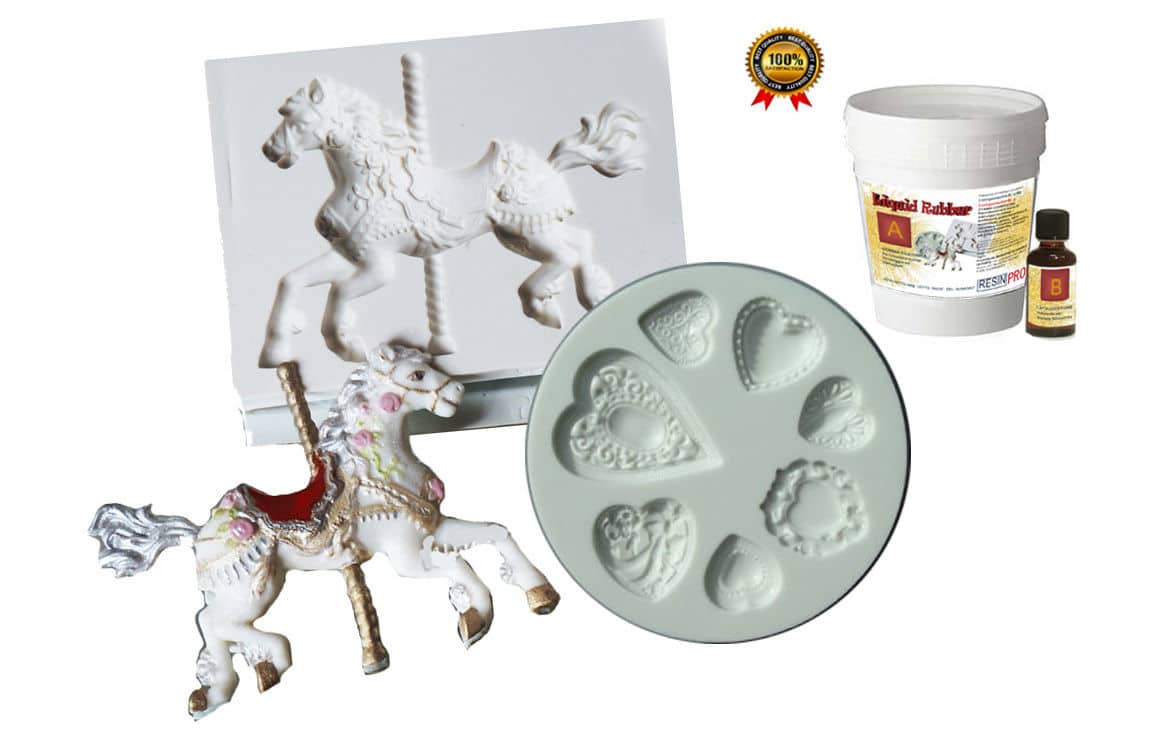
Choose the Right Hardness for Your Project
Choosing the correct Shore hardness of silicone depends on your application. Softer silicones (Shore 5–20) are best where detail is crucial and delicate or irregular shapes are present. Higher Shore values (up to 40) offer more structure for large, heavy, or industrial castings. Consider what materials you’re working with, whether you need custom mould shapes or pre-made solutions, and how often you’ll be reusing the moulds. All the featured products, from Liquid Mould to Pure Mould and craft moulds, cover a range of needs and Shore hardness options to help you achieve professional results.
- "Liquid Mould" – Casting Liquid Silicone Rubber, 5-40 Shores, Bi-Component A+BPrice range: £14.45 through £387.45"Liquid Mould" is a casting liquid silicone rubber designed for making detailed moulds compatible with resin, soap and polymer pastes.
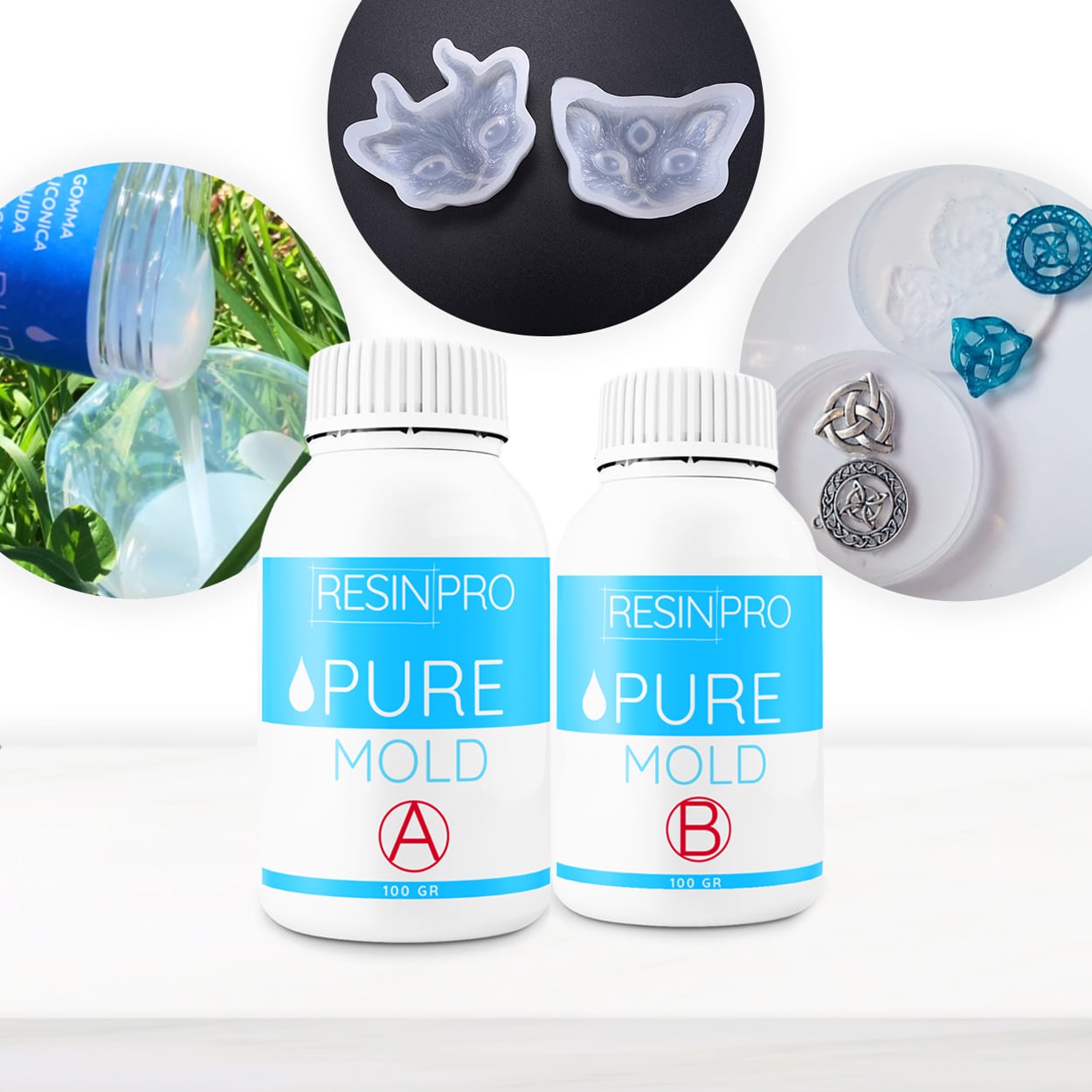 "Pure Mould" – Translucent Liquid Silicone Rubber for Mould MakingPrice range: £23.95 through £166.95Pure Mould is a translucent, platinum-based liquid silicone rubber designed for making moulds compatible with various casting materials.
- "Liquid Mould" – Casting Liquid Silicone Rubber, 15 Shores 20.8 kg£348.85"Liquid Mould" is a casting liquid silicone rubber suitable for making detailed moulds and reproductions under the theme What is the Shore hardness…
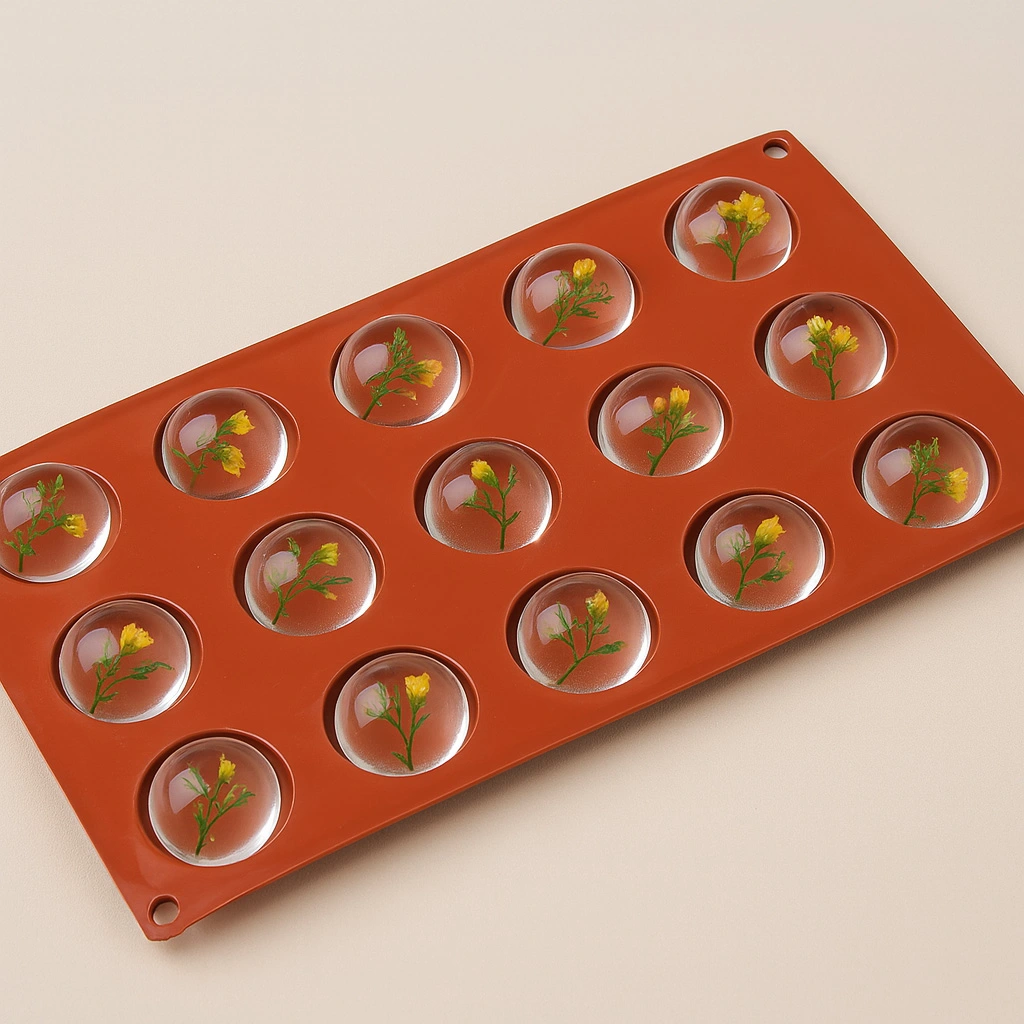 "Cabochon-15" – Silicone Mould for Resin, Chocolate, Soap, Plaster – Ø40mmOriginal price was: £14.95.£11.85Current price is: £11.85.A silicone mould suitable for resin, chocolate, soap and plaster crafting, designed for creating shiny decorative items or jewellery.
Frequently Asked Questions
What does the Shore hardness scale mean for silicone?
The Shore scale measures how soft or firm a silicone rubber is. Lower values are softer and more flexible; higher values are firmer and less elastic.
Which Shore hardness is best for detailed moulds?
Softer silicones (Shore 10–20) are ideal for intricate details, undercuts, and easy demoulding in mould making.
How do soft and firm silicone rubbers differ in use?
Soft silicones suit detailed or irregular shapes, while firm silicones support larger, heavier castings needing dimensional stability.
Is Shore hardness important for pre-made and casting moulds?
Yes, the Shore value affects how easily castings can be removed and the mould's resilience during reuse.
Can I adjust Shore hardness when preparing silicone?
Most silicones come with a fixed Shore hardness, but some allow selection at purchase. Mixing does not change the final hardness.
Are these silicone rubbers food safe?
Check individual product certifications for food safety. Some silicone moulds are acceptable for chocolate or ice, others are not.
How can I care for my silicone mould to preserve hardness?
Clean moulds with mild soap and avoid storing in direct sunlight or extreme temperatures to maintain original Shore hardness.