 Free shipping on orders over £29,85
  Shipping Tracking!


 Google
 Facebook
← Back to Is resin bound paving good for commercial spaces?
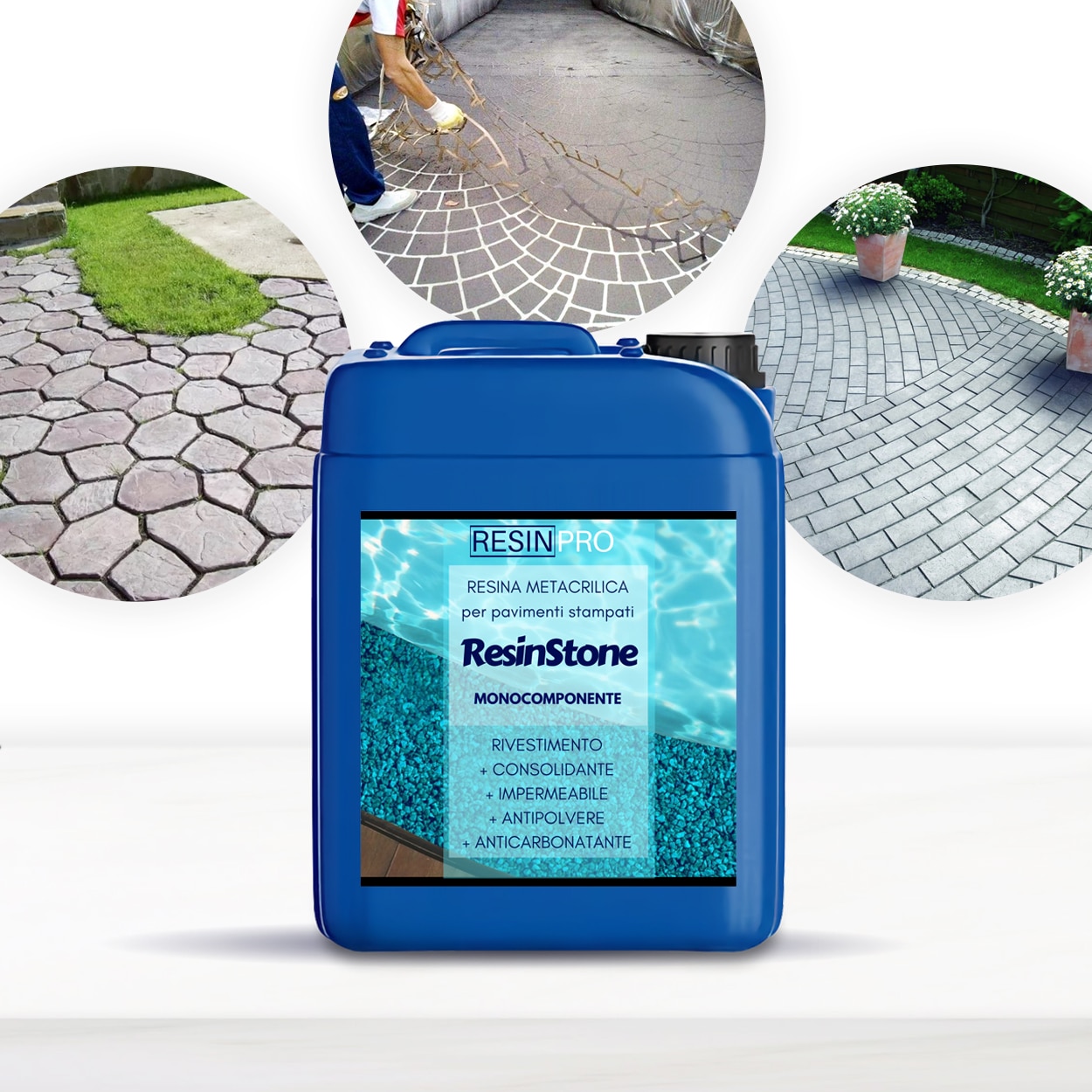
Choosing the right base is crucial for successful application of resin flooring in commercial environments. Not all surfaces provide a suitable foundation, and incorrect choices can undermine the durability and safety of your installation.
Surfaces to Avoid with Commercial Resin Flooring
Resin products are formulated to adhere to specific types of substrates. For example, the Resinstone methacrylic resin is specifically designed for absorbent concrete bases and isn’t suitable for use on loose gravel. Surfaces such as unbound aggregates, dust, unstable stone, and non-absorbent tiles should generally be avoided. These types of bases do not provide the necessary stability or adhesion for effective resin application and can lead to future surface failures.
What Makes a Good Substrate?
For optimal results, resin systems require a stable, clean, and properly prepared surface. Absorbent concrete and fully bound, level stone bases offer the best foundation for commercial resin floors—ensuring robust mechanical bonding and extended longevity. Preparation often involves cleaning, de-greasing, and repairing cracks or uneven sections to create the right conditions for adhesion. If your intended site does not meet these criteria, consider upgrades or select a resin system like the Flowstone Complete Kit that matches your substrate’s characteristics.
When This Matters Most
Surface compatibility is especially important in high-traffic commercial settings. With the constant movement of vehicles and footfall, a poorly prepared base can compromise performance, leading to costly repairs or safety hazards. Investing time in assessing your substrate’s suitability protects both your investment and users.
Related products
Related guides
Ensuring your chosen surface supports resin flooring is the first step to a lasting installation. For more guidance on getting the best performance in commercial spaces, return to our main advice hub for resin bound paving solutions.