 Free shipping on orders over £29,85
  Shipping Tracking!


 Google
 Facebook
← Back to How do you coat polymer clay with resin?
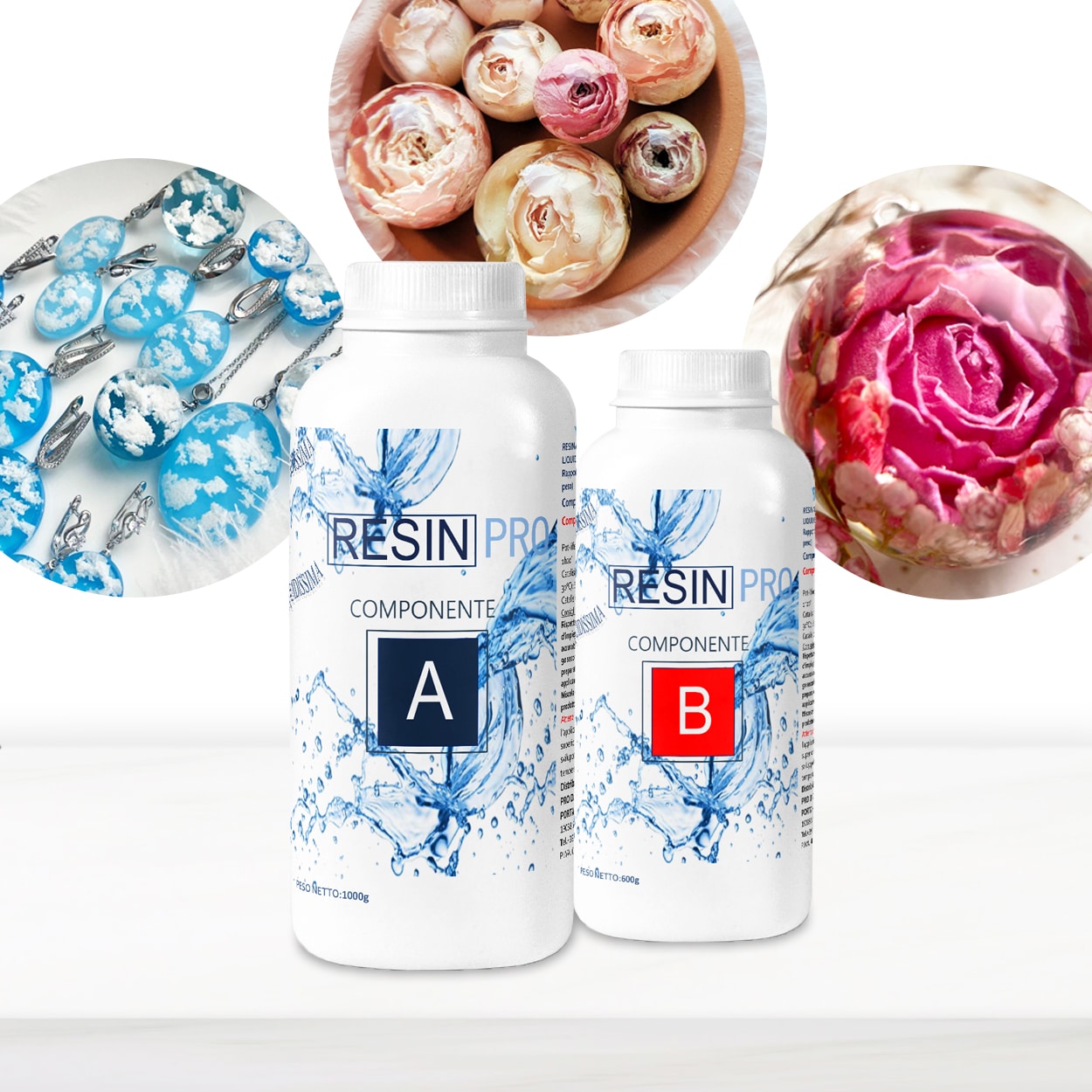
Noticing bubbles in your resin while coating polymer clay can be frustrating, as they interfere with achieving a perfectly smooth, glass-like finish. Let’s explore why they form and how you can keep them at bay.
What Causes Bubbles in Resin?
Bubbles in resin typically result from air introduced during mixing, pouring, or spreading onto your clay project. Vigorous mixing is a common culprit, as it traps more air inside the mixture. Other times, air can get caught in tiny textural details on the polymer clay’s surface, or even from the clay itself if not fully cured. Choosing a low viscosity resin, like Liquidissima – Epoxy Resin For Creations & Jewellery, can help bubbles escape more easily due to its excellent flow.
Tips to Prevent and Remove Bubbles
- Mix gently: Stir resin slowly to avoid whipping in air.
- Allow resin to rest: Let the mixed resin sit for a few minutes before pouring, which lets bubbles rise and pop naturally.
- Warm your resin slightly: Warmer resin is thinner and allows bubbles to move to the surface more readily (but always check manufacturer’s guidelines).
- Pour in thin layers: Thin coats reduce trapped air and make it easier to spot and burst bubbles.
- Use a heat gun or torch: Carefully passing a flame or heat gun over the surface can help pop any remaining bubbles after application.
When This Matters Most
Bubbles are particularly noticeable in jewellery, decorative cabochons, and pieces where clarity and a flawless gloss are essential. Using the right resin for your project, such as a product with low viscosity and longer working time, gives the best results for detailed polymer clay work.
Related products
Related guides
Mastering bubble control ensures your resin-coated polymer clay turns out clear and professional. For more detailed advice or to explore the best resin options for coating polymer clay, visit our parent guide on coating polymer clay with resin.