 Free shipping on orders over £29,85
  Shipping Tracking!


 Google
 Facebook
← Back to Why does resin spread into craters when sprayed?
When spraying resin, you may notice unsightly craters—commonly called ‘fish-eyes’—where the surface pulls back, leaving small, circular gaps. Understanding why these form is key for achieving a flawless finish on your resin projects.
What Causes Craters or ‘Fish-Eyes’ in Sprayed Resin?
The most frequent reason for this effect is surface contamination. Oils, silicones, dust, or even residues from previous coatings can sit invisibly on your substrate. When resin is sprayed onto these contaminated spots, the resin cannot adhere evenly and is repelled, forming distinct circular craters.
In some cases, the issue is down to a mismatch in surface tension between the sprayed resin and its underlying surface—certain materials or finishes create a barrier that disrupts the resin’s spread. This is why proper cleaning and surface prep matter so much.

How to Prevent Cratering in Resin Sprays
- Thoroughly clean surfaces: Use a degreaser or suitable solvent to remove any oils, fingerprints, or dust. Allow the surface to dry completely before application.
- Sand and wipe down: Lightly sanding can help remove old coatings and scuffs. Always wipe away sanding dust before spraying.
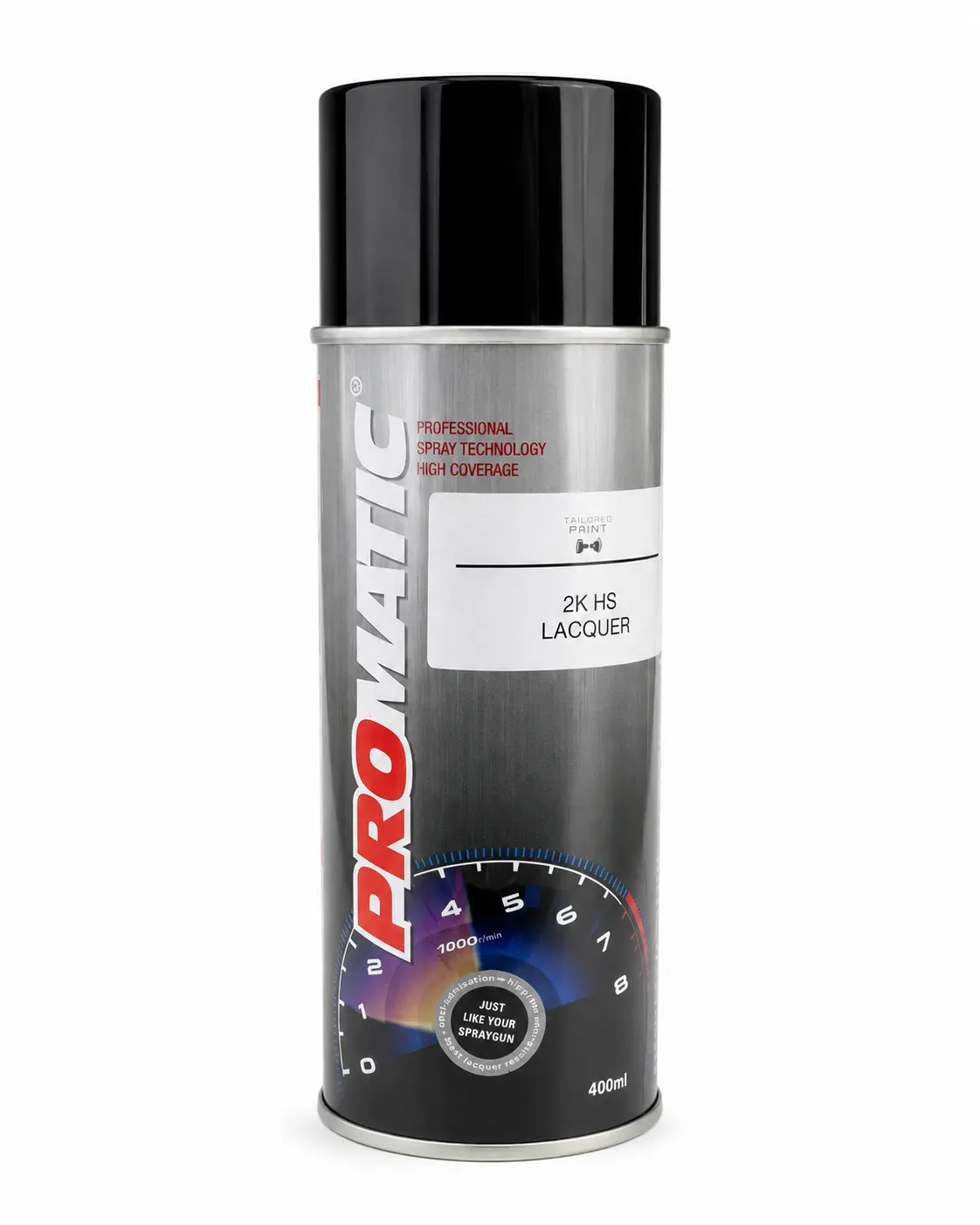
- Right resin or lacquer choice: Select a spray lacquer like the 2K Clear Coat Lacquer Aerosol Spray – 400ml High Gloss Finish which is formulated for smooth, even application on resin art.
Testing a small area before full application can help spot problems early, and layering in thin coats reduces the risk of imperfections forming.
When This Matters Most
Cratering can spoil the appearance of resin art, tabletops, 3D printed models, and any piece where a smooth, glass-like finish is desired. It’s especially vital for resin artists, DIYers, and anyone producing display or sale pieces to avoid these surface flaws.
Related products
Related guides
Getting to grips with why resin craters form when sprayed ensures your projects look their best. For more in-depth expertise and troubleshooting resin issues, revisit our main guide on why resin spreads into craters when sprayed.