 Free shipping on orders over £29,85
  Shipping Tracking!


 Google
 Facebook
← Back to How do you mix bifasic resin?

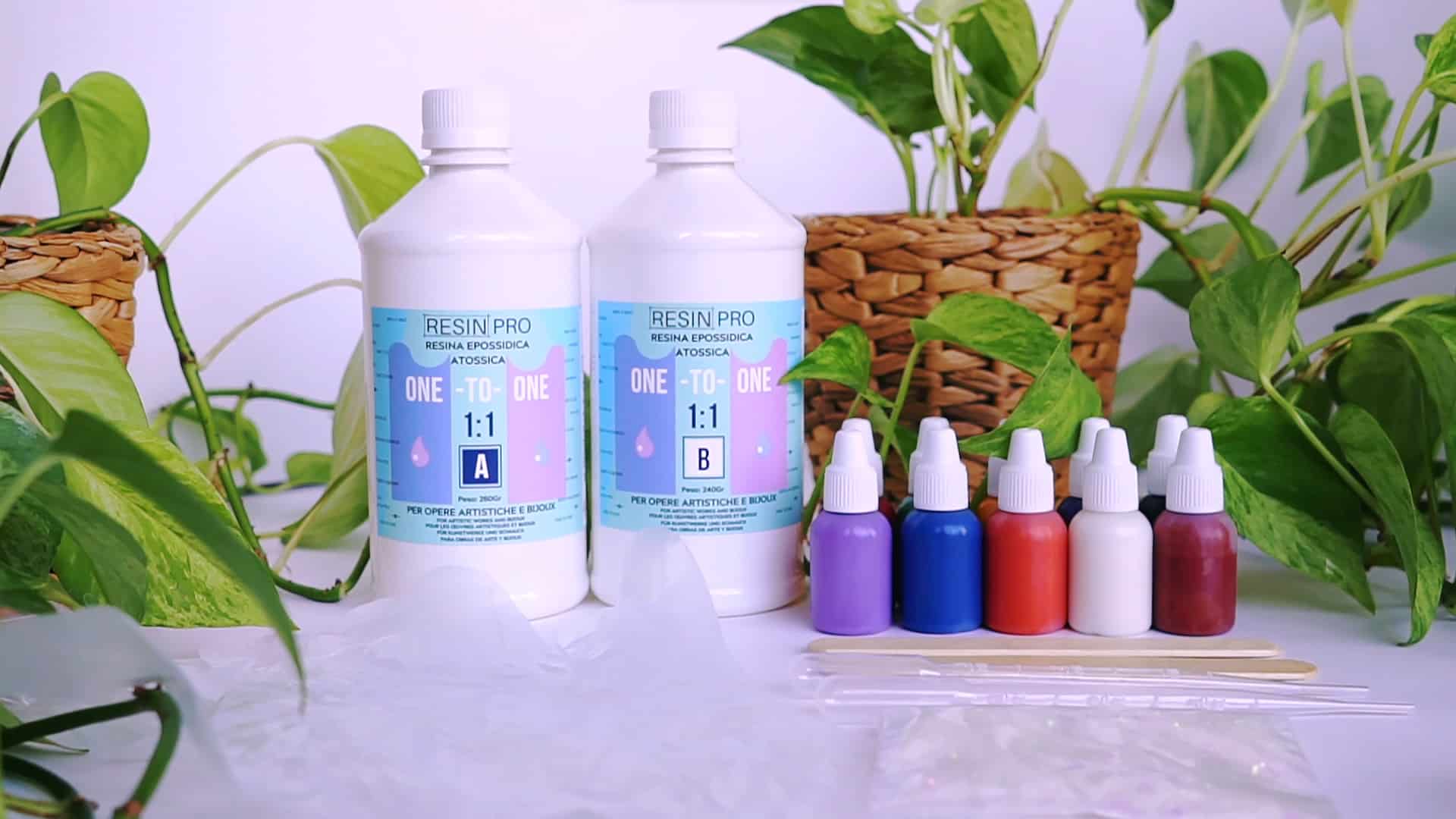
A sticky or tacky resin finish after curing is a common frustration among crafters and artists. Understanding why this happens helps ensure your next project cures smooth, hard, and glossy.
Main Causes of Sticky Resin
The most frequent reason for sticky resin is an incorrect mixing ratio between the resin and hardener. Precision is vital: even small errors in measurement can mean the two components don’t react fully, leaving areas soft or sticky. Another pitfall is insufficient mixing—if you don’t blend both parts thoroughly, some of the resin may not set properly.
- Incorrect ratio: Always check the specific instructions for your resin type. Some, such as the One-2-One epoxy resin, use a simple 1:1 ratio by volume for error-free results.
- Poor mixing: Take your time to scrape the sides and bottom of your mixing vessel, ensuring a uniform mix. Failure to do so leaves unmixed pockets that cure poorly.
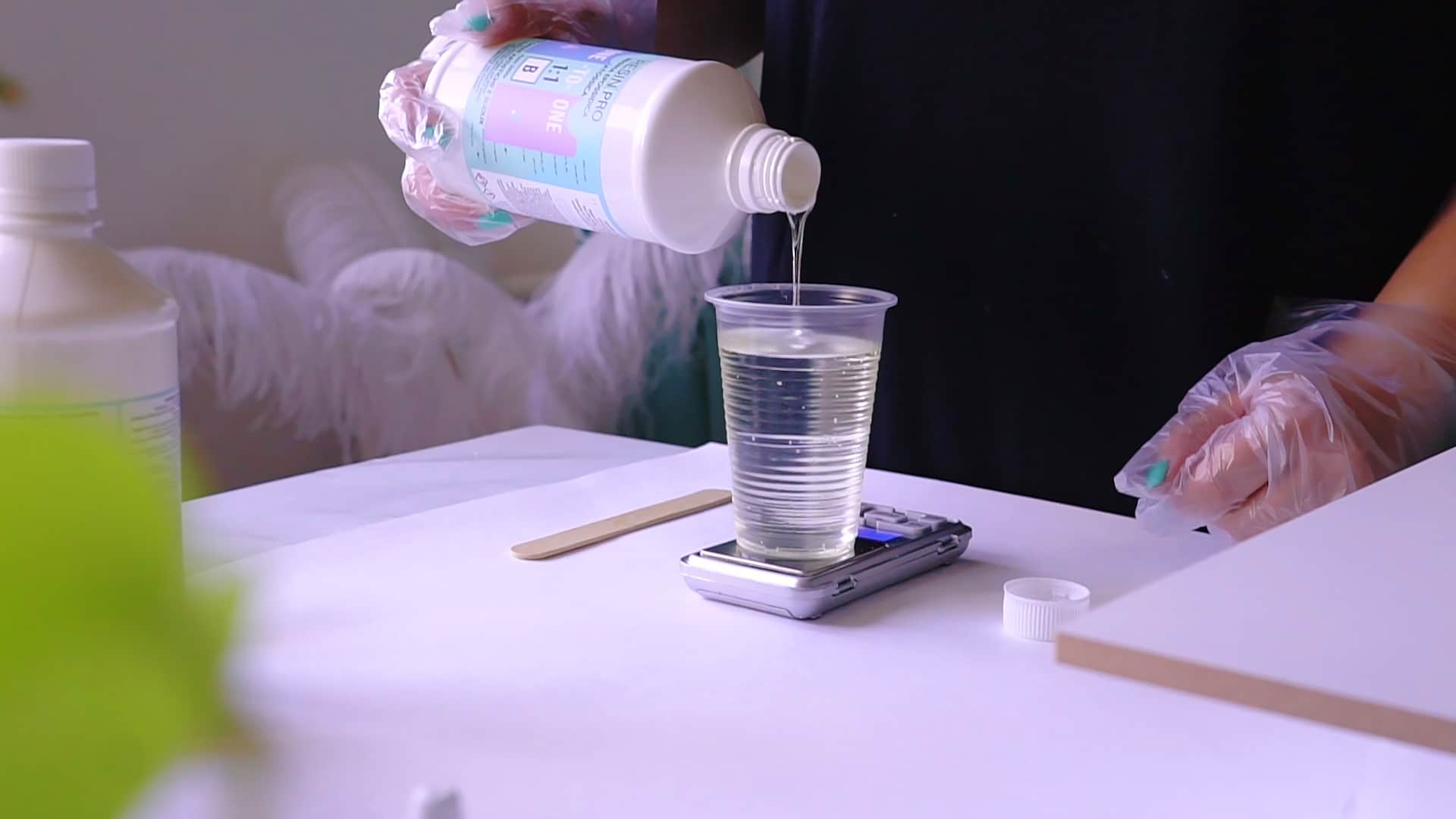

Tips to Avoid Sticky Resin
Use dedicated measuring tools—digital scales or clear mixing cups—to achieve precise ratios, especially important for resins mixed by weight. Slowly stir the components for at least 2–3 minutes, using a flat spatula or wooden stick. For beginners, starter kits like the “Evershine Collection” provide clear instructions, tools, and pre-measured components to simplify the process.
- Work in a dust-free, dry environment to avoid introducing moisture or contaminants that can affect curing.
- Follow curing times and temperature recommendations provided in your resin’s instructions.
When This Matters Most
If you’re making jewellery, coasters, or clear castings where a smooth finish is essential, even minor stickiness can spoil the result. Beginners often encounter this issue when experimenting with new products—choosing user-friendly resins and accurate measuring tools can prevent costly mistakes.

Related products
Related guides
Avoiding sticky resin comes down to careful measurement, thorough mixing, and following product instructions. For more troubleshooting tips and advanced advice, visit our guide on how to mix bifasic resin correctly.