 Free shipping on orders over £29,85
  Shipping Tracking!


 Google
 Facebook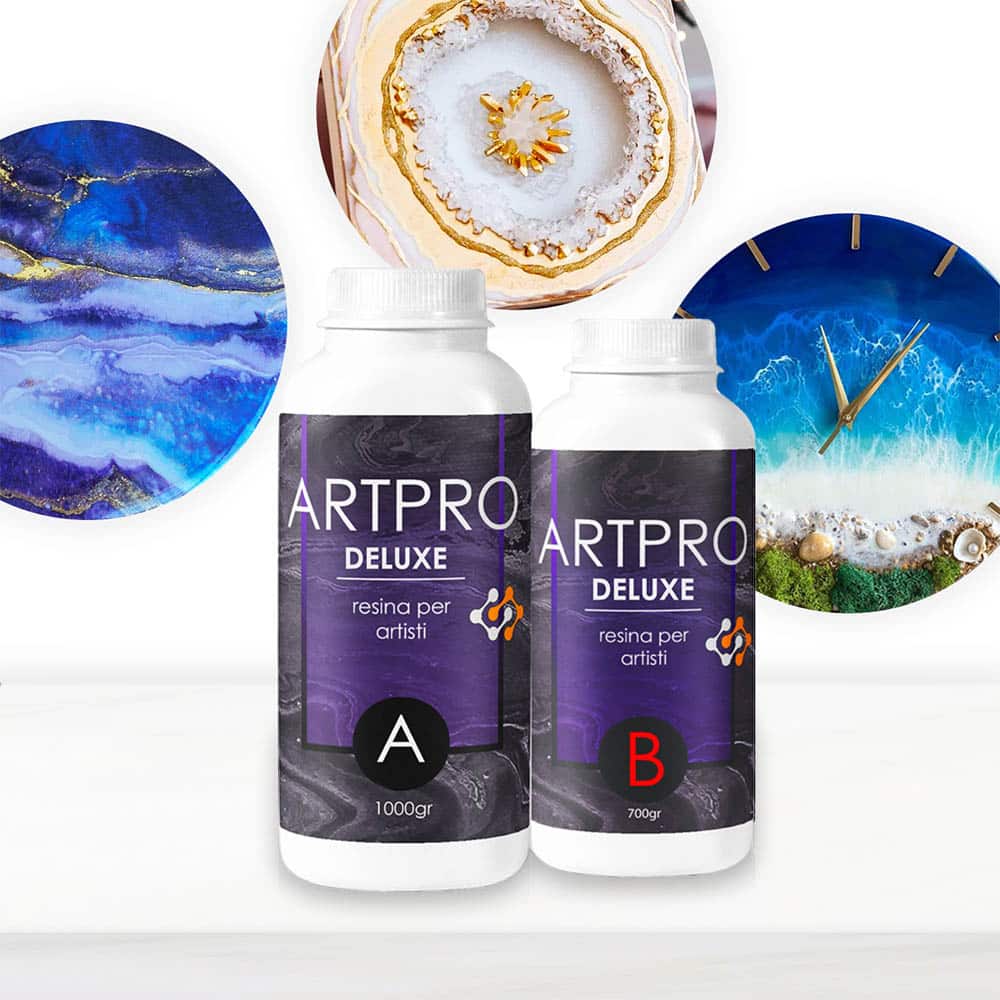



Rust chemical converter
A rust chemical converter is a product designed to convert oxidized iron into a more stable form, usually an inert compound. This chemical process prevents further damage due to corrosion and prepares the rusted surface to be coated or further treated. Rust chemical converters typically contain chelating agents or acids that react with the rust to form a more resistant compound. It is important to carefully follow the manufacturer's instructions for safe and effective application. Rust chemical converters are widely used in the DIY sector and for restoring rusted metal surfaces.
Epoxy Resin Transparent (1)
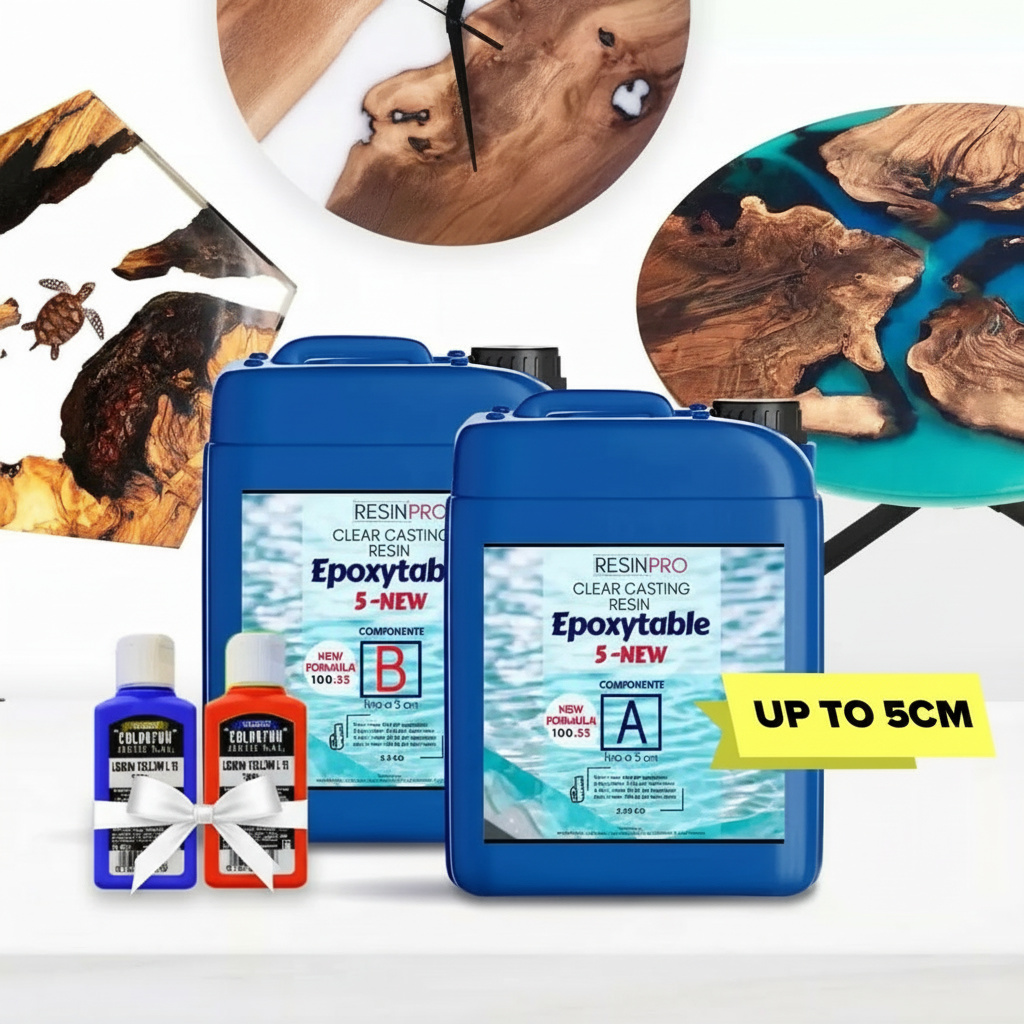
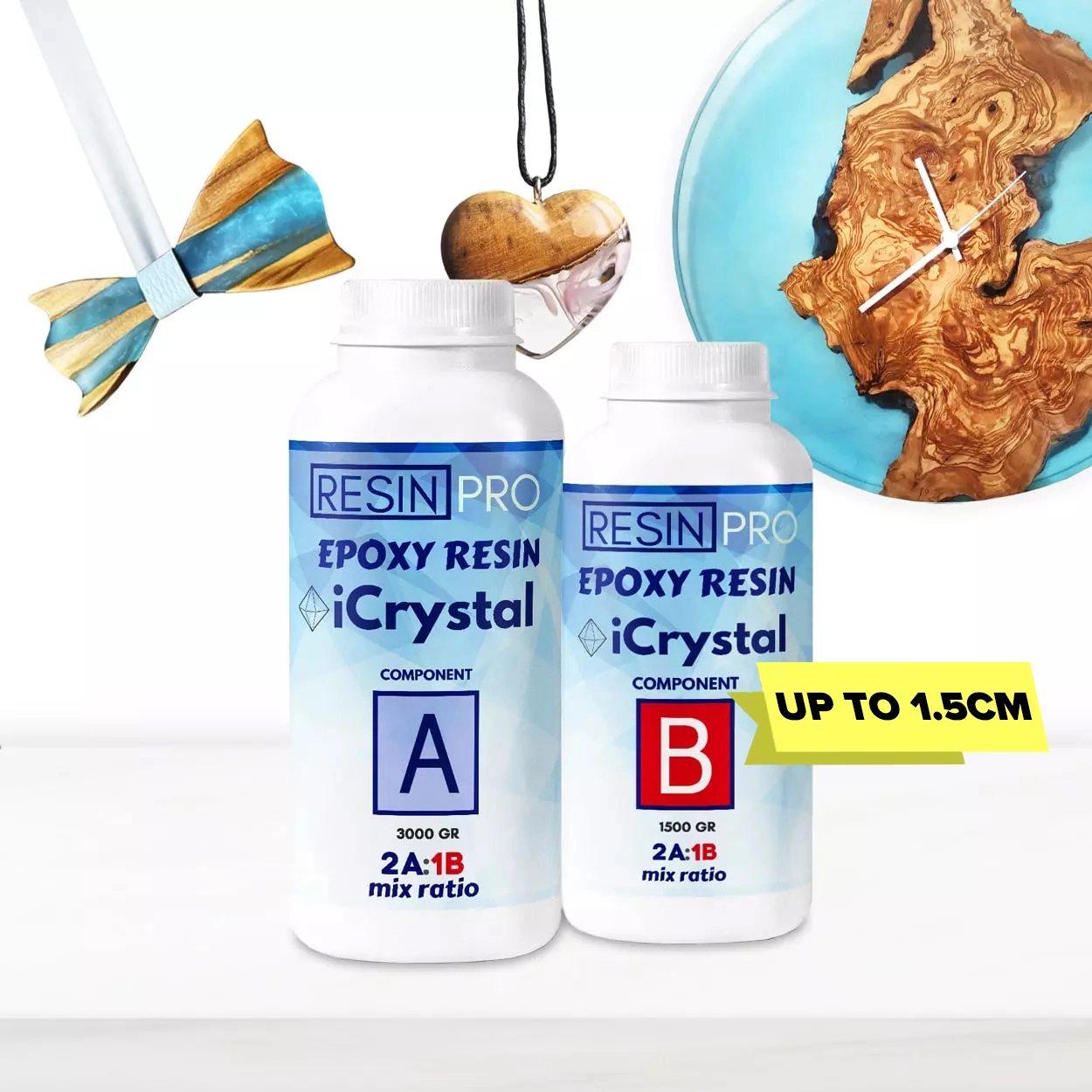
Transparent epoxy resin is a versatile and durable type of resin, widely used in various industries. This material offers numerous advantages, such as:
- High transparency that allows for creating glossy and shiny finishes.
- Excellent adhesion to different materials, such as wood, glass, metal, and plastic.
- Resistance to weathering and impacts, ensuring long-lasting durability.
- Easy mixing with dyes and pigments to create custom effects.
- Common applications in the DIY, crafting, and jewelry making sectors. Transparent epoxy resin is ideal for creating protective coatings, glossy surfaces, and custom decorations.
Epoxy Resin Pigments (2)
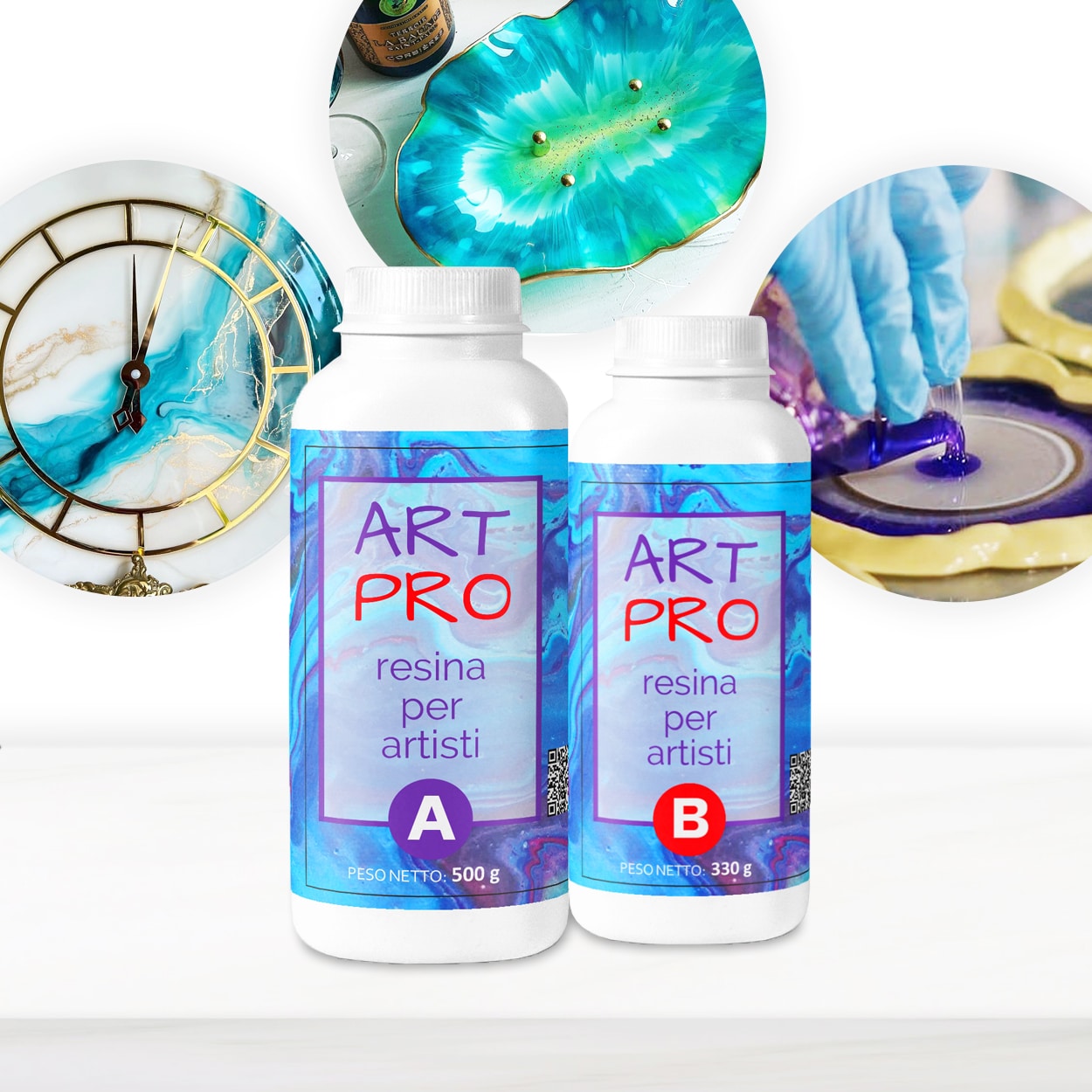
Epoxy resin pigments are specially formulated colorants designed to be mixed with epoxy, polyester, or polyurethane resins to give them color. These pigments are available in a wide range of shades and allow for customization to create tailor-made finishes for coating projects, art, DIY jewelry, and more. Epoxy resin pigments are typically highly concentrated, so only a small amount is needed to achieve intense and vibrant colors. Before using them, it is advisable to conduct tests to determine the amount of pigment required to achieve the desired color.
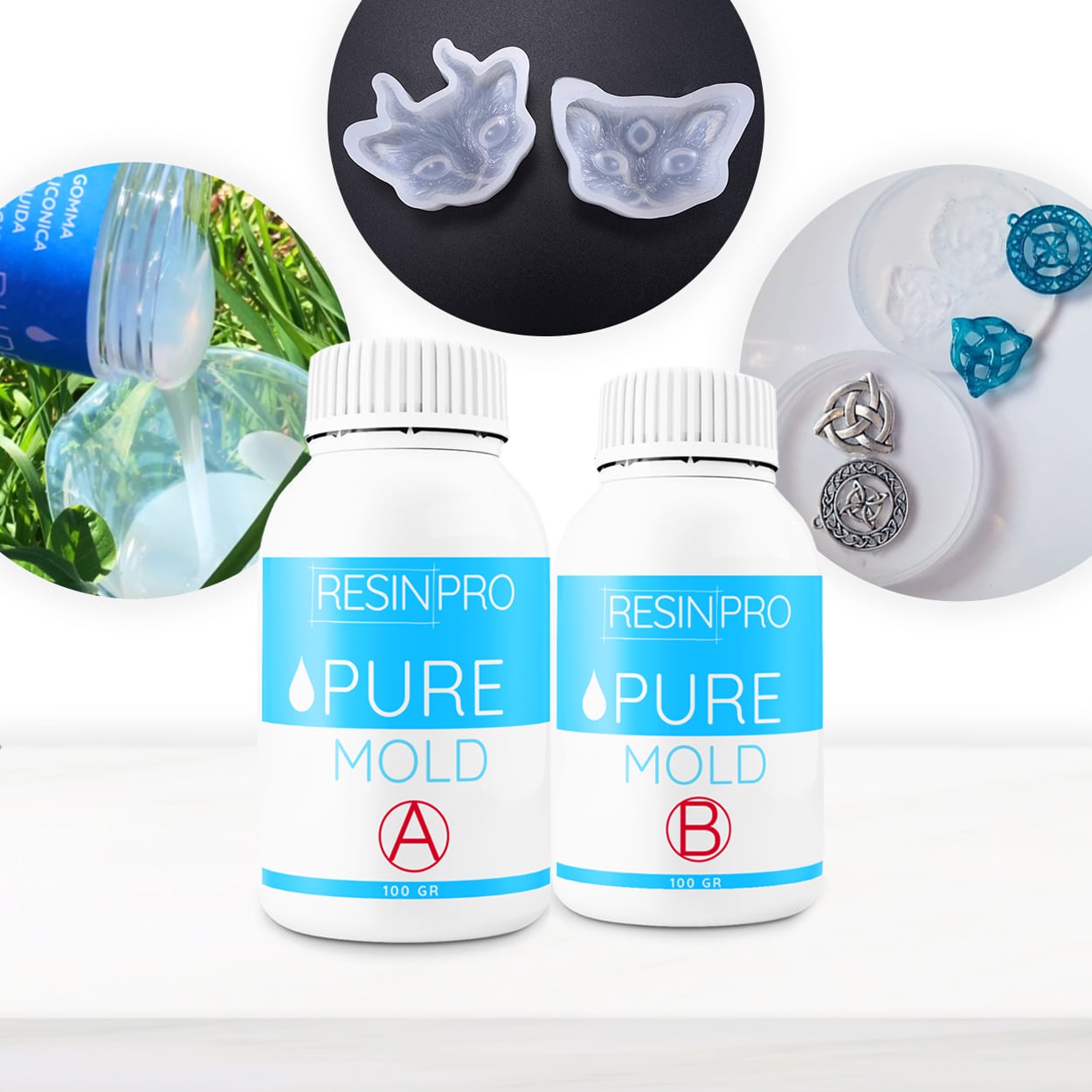
DIY silicone molds (3)
DIY silicone molds are a practical and versatile solution for creating custom objects. Silicone is a durable and flexible material that allows for reproducing precise details and easily removing the object once it has solidified. To make a DIY silicone mold, you need to prepare the model to be replicated, pour the liquid silicone over it, and let it harden. Once the mold is ready, you can fill it with epoxy resin, plaster, or other materials to create faithful reproductions of the original. This technique is widely used in crafts, jewelry making, and creative hobbies.
ResinPro: one supplier for all your needs
15 years of experience at your complete disposal, supplying resins and accessories for creativity, industry, DIY, flooring and marine applications.
At your home, directly from the manufacturer!
ResinPro is the direct manufacturer of our resin range for companies and hobbyists, guaranteeing the lowest prices on the market.
Learn more


The widest range of resins in the UK!
We offer resins for every need, from artistic creations to marine and construction applications, far beyond the “limited” selection typically found in local DIY stores.


Expert technical support!
Our technicians provide free remote consulting to help you avoid mistakes and ensure you achieve the result you want — unlike “generic retailers” who sell 1,000 different products.
get a free consultationRESIN PRO is a leader in resin production and distribution!
24-hour delivery: We ship across the UK on the same day. Enjoy convenient home delivery with our appointment service—our courier will contact you in advance and deliver the package to your preferred location, or leave it at an alternative address of your choice.


Full support!
We provide continuous support from preparation to final application, including remote technical assistance, ensuring a smooth experience.
Talk with a specialist and place a phone order without registration and without credit cards!


