 Free shipping on orders over £29,85
  Shipping Tracking!


 Google
 Facebook




Protecting Fuel Tanks
Protecting fuel tanks is essential to ensure their durability and functionality over time. There are several effective methods to preserve the integrity of tanks, such as applying specific protective coatings that create a barrier against corrosion and external damages. Moreover, the use of epoxy or silicone resins can help seal any cracks or fissures, preventing fuel leaks. Additionally, installing anti-shock and anti-theft devices can be useful to protect tanks from accidental damage or vandalism. In general, regularly following maintenance and inspection programs is crucial to ensure the safety and longevity of fuel tanks.
How to protect fuel tanks
To protect fuel tanks, several effective solutions can be adopted:
- Apply protective coatings with epoxy resin to prevent corrosion and wear due to fuel action.
- Use silicone gaskets to ensure a tight seal and prevent fuel leaks.
- Install safety systems such as interception valves to prevent potential accidental leaks.
- Regularly inspect tanks to detect any signs of damage and intervene promptly.
- Comply with current regulations on safety and maintenance of fuel tanks. By following these practices, it is possible to ensure greater durability and reliability for fuel tanks.
**Durable Materials for Fuel Tanks**
Fuel tanks require extremely resistant materials to ensure their reliability and safety. Among the most common options are:
- Carbon steel: sturdy and corrosion-resistant, but requires adequate protective coating.
- Stainless steel: offers higher corrosion resistance compared to carbon steel.
- Aluminum: lightweight and corrosion-resistant, but requires proper protection against abrasion.
- High-density polyethylene (HDPE): lightweight, corrosion-resistant, and easily moldable, ideal for smaller tanks.
- Fiberglass-reinforced polymers (FRP): lightweight, corrosion-resistant, and durable over time. The choice of material depends on specific needs for strength, durability, and compatibility with the fuel.
DIY solutions for protecting fuel tanks
Protecting fuel tanks in a DIY manner can be an effective solution to prevent damage and extend their lifespan. Here are some strategies you can adopt:
- Apply a chemical-resistant protective coating to create a barrier against corrosion.
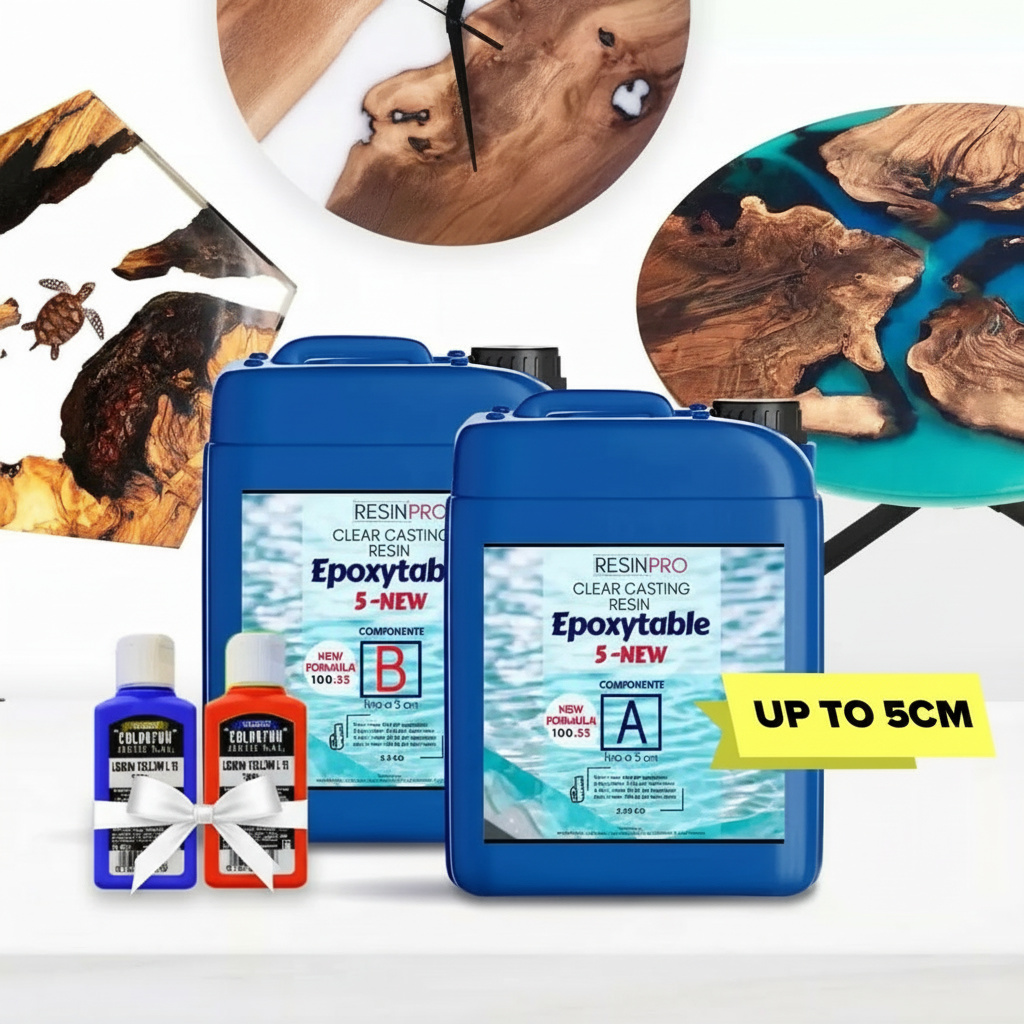
- Use epoxy resins to seal any cracks or crevices on the tank.
- Install silicone gaskets around the fastening points to prevent fuel leaks.
- Shield the tank from wear and tear with anti-scratch and anti-peel paints. These DIY solutions can help you keep your fuel tanks safe and in good condition over time.
ResinPro: one supplier for all your needs
15 years of experience at your complete disposal, supplying resins and accessories for creativity, industry, DIY, flooring and marine applications.
At your home, directly from the manufacturer!
ResinPro is the direct manufacturer of our resin range for companies and hobbyists, guaranteeing the lowest prices on the market.
Learn more


The widest range of resins in the UK!
We offer resins for every need, from artistic creations to marine and construction applications, far beyond the “limited” selection typically found in local DIY stores.


Expert technical support!
Our technicians provide free remote consulting to help you avoid mistakes and ensure you achieve the result you want — unlike “generic retailers” who sell 1,000 different products.
get a free consultationRESIN PRO is a leader in resin production and distribution!
24-hour delivery: We ship across the UK on the same day. Enjoy convenient home delivery with our appointment service—our courier will contact you in advance and deliver the package to your preferred location, or leave it at an alternative address of your choice.


Full support!
We provide continuous support from preparation to final application, including remote technical assistance, ensuring a smooth experience.
Talk with a specialist and place a phone order without registration and without credit cards!


