 Free shipping on orders over £29,85
  Shipping Tracking!


 Google
 Facebook





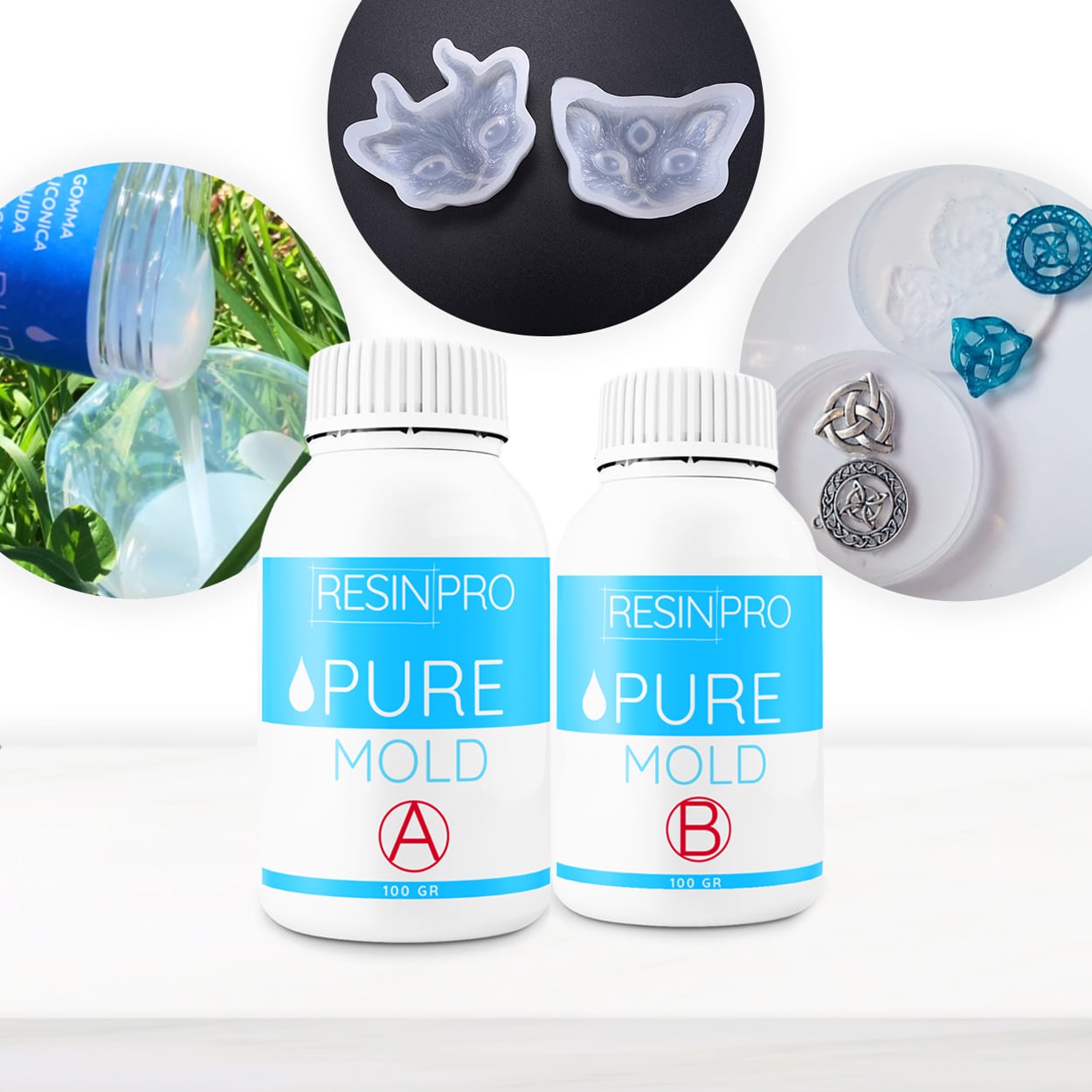

How to Remove Air Bubbles from Micro Molds
To remove air bubbles from micro molds, it is advisable to follow these steps:
- Place the mold on a flat surface.
- Fill the mold with the desired material up to 80% of its total capacity.
- Gently tap the mold on the work surface to allow any air bubbles to rise to the top.
- Use a thin tool, such as a toothpick, to break any air bubbles present.
- Continue filling the mold to the edge and repeat the tapping process to eliminate air bubbles.
- Allow the material to settle for a few minutes before proceeding to the next phase of the molding process.
Techniques to Remove Bubbles from Miniature Molds
To eliminate bubbles from miniature molds, you can follow some effective techniques:
- Use resins specifically formulated to reduce bubble formation.
- Use a vacuum chamber to remove air bubbles before the curing process.
- Gently stir the resin to help bubbles rise to the surface.
- Use a thin-pointed tool to break larger bubbles.
- Slightly heat the resin to reduce its viscosity and promote bubble release. By following these techniques, you can achieve bubble-free miniature molds with a high-quality finish.
Removing air bubbles from small molds
To remove air bubbles from small molds, follow these steps:
- Prepare the epoxy resin or silicone according to the manufacturer's instructions.
- Use a stirrer to gently mix and eliminate surface bubbles.
- Use a syringe to slowly and evenly fill the mold.
- For stubborn bubbles, use a thin brush to push the bubbles outwards.
- For larger bubbles, you can employ a bubble removal device, such as a vacuum chamber.
- Allow the resin or silicone to cure following the recommended drying times.
- Once hardened, carefully remove your artifact from the mold. By following these steps, you can achieve bubble-free results in your small molds.
Tips to Avoid Bubbles in Small Molds
To prevent the formation of bubbles in small molds, it is advisable to follow these recommendations:
- Ensure that the material used is suitable for the dimensions and characteristics of the mold.
- Before pouring the resin or silicone into the mold, it is advisable to degas the material to remove any air bubbles.
- Use a degreasing agent to clean the mold and ensure a surface free of impurities that could cause bubbles.
- Pour the resin or silicone slowly and carefully to prevent the entry of air into the material.
- Use a brush to spread the material evenly in the mold and reduce the chances of bubble formation.
- If necessary, you can use an oven or heat gun to eliminate surface bubbles after filling the mold.
ResinPro: one supplier for all your needs
15 years of experience at your complete disposal, supplying resins and accessories for creativity, industry, DIY, flooring and marine applications.
At your home, directly from the manufacturer!
ResinPro is the direct manufacturer of our resin range for companies and hobbyists, guaranteeing the lowest prices on the market.
Learn more


The widest range of resins in the UK!
We offer resins for every need, from artistic creations to marine and construction applications, far beyond the “limited” selection typically found in local DIY stores.


Expert technical support!
Our technicians provide free remote consulting to help you avoid mistakes and ensure you achieve the result you want — unlike “generic retailers” who sell 1,000 different products.
get a free consultationRESIN PRO is a leader in resin production and distribution!
24-hour delivery: We ship across the UK on the same day. Enjoy convenient home delivery with our appointment service—our courier will contact you in advance and deliver the package to your preferred location, or leave it at an alternative address of your choice.


Full support!
We provide continuous support from preparation to final application, including remote technical assistance, ensuring a smooth experience.
Talk with a specialist and place a phone order without registration and without credit cards!


