 Free shipping on orders over £29,85
  Shipping Tracking!


 Google
 Facebook


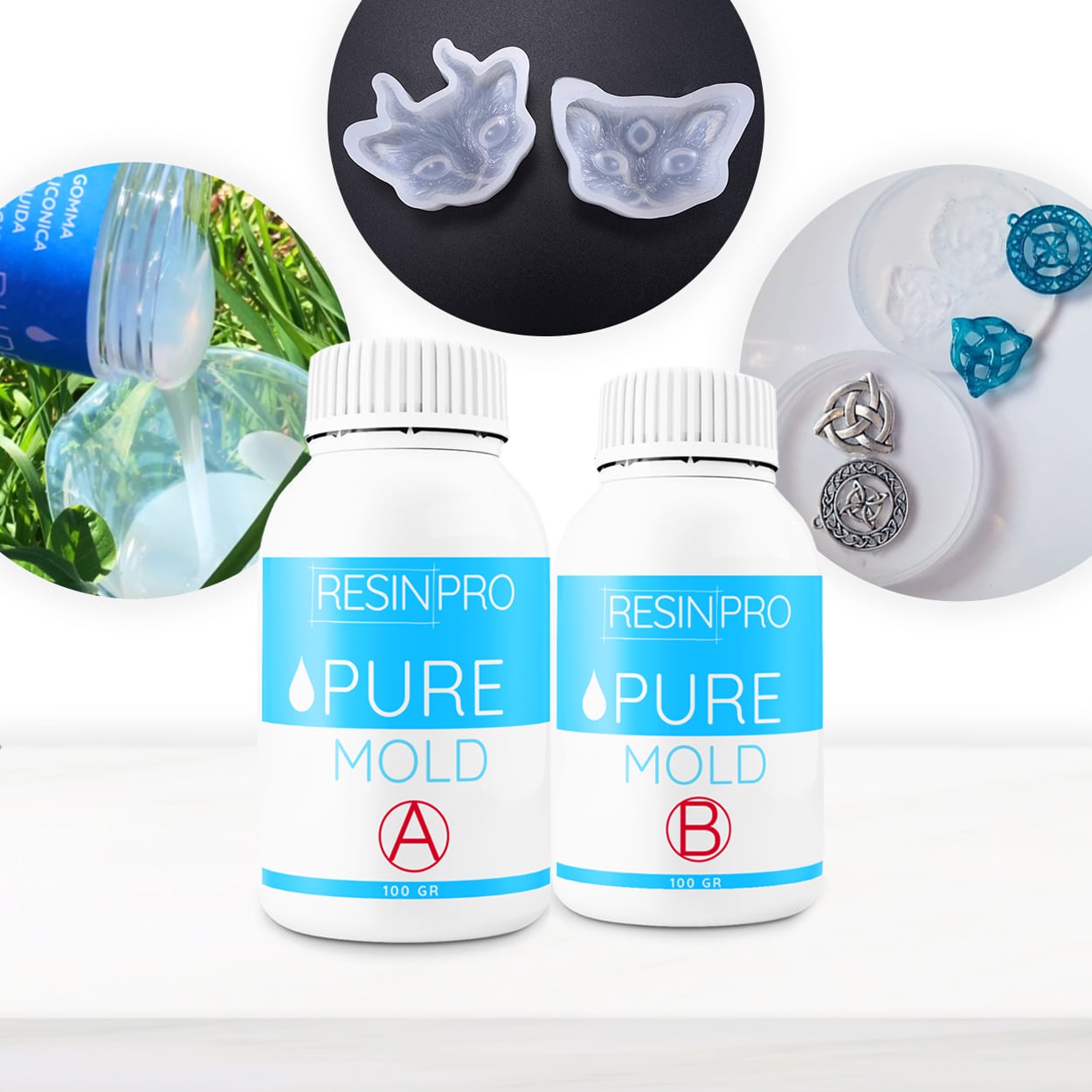

Air issues with acrylic resin
Acrylic resin can present issues related to air during the application and drying process. Some of the main inconveniences that can occur include the formation of air bubbles within the coating, which can compromise the final aesthetic appearance and durability of the product. These air bubbles can be caused by improper mixing of the resin, too high ambient temperature, or too fast application of the material. To avoid such problems, it is advisable to carefully follow the manufacturer's instructions, make sure to work in a well-ventilated environment, and use proper tools for the application of acrylic resin.
How to Remove Epoxy Resin Bubbles
To eliminate bubbles from epoxy resin, it is important to carefully follow these steps:
- Use an epoxy resin with low viscosity to reduce bubble formation.
- Mix the epoxy resin and hardener slowly to avoid air incorporation.
- Use a torch to remove surface bubbles: pass the flame quickly over the resin to bring the bubbles to the surface.
- Use a syringe to inject resin into larger bubbles.
- Use a vacuum cleaner to remove smaller bubbles on the surface.
- Cover the project with a lid to prevent contamination from dust or dirt during the resin curing process.
Silicone Resin Printing Techniques
Silicone and resin printing techniques are used to create customized and detailed objects. Silicone is often used to create flexible molds, ideal for reproducing complex shapes and intricate details. Once the silicone mold is made, resin is poured inside to create the final object. This combination of materials offers great precision and durability, making the prints suitable for a wide range of applications such as jewelry, decorations, and prototyping. Silicone and resin printing techniques require attention to detail and proper material mixing to achieve optimal results.
Best pigments for transparent resin
The most suitable pigments for transparent resin are those specifically formulated to ensure perfect blending and color stability over time. Powder colorants are particularly recommended for transparent resins, as they integrate easily without compromising transparency. Highly concentrated liquid pigments are excellent for achieving intense and vibrant colorations. It is important to choose UV-resistant pigments to prevent yellowing over time. Before adding the pigment, make sure to carefully follow the manufacturer's instructions and always test the mixture on a small amount of resin.
ResinPro: one supplier for all your needs
15 years of experience at your complete disposal, supplying resins and accessories for creativity, industry, DIY, flooring and marine applications.
At your home, directly from the manufacturer!
ResinPro is the direct manufacturer of our resin range for companies and hobbyists, guaranteeing the lowest prices on the market.
Learn more


The widest range of resins in the UK!
We offer resins for every need, from artistic creations to marine and construction applications, far beyond the “limited” selection typically found in local DIY stores.


Expert technical support!
Our technicians provide free remote consulting to help you avoid mistakes and ensure you achieve the result you want — unlike “generic retailers” who sell 1,000 different products.
get a free consultationRESIN PRO is a leader in resin production and distribution!
24-hour delivery: We ship across the UK on the same day. Enjoy convenient home delivery with our appointment service—our courier will contact you in advance and deliver the package to your preferred location, or leave it at an alternative address of your choice.


Full support!
We provide continuous support from preparation to final application, including remote technical assistance, ensuring a smooth experience.
Talk with a specialist and place a phone order without registration and without credit cards!


