 Free shipping on orders over £29,85
  Shipping Tracking!


 Google
 Facebook
Is DIY Permeable Flooring Durable in UK Environments?
Discover solutions for lasting, attractive and self-installed outdoor floors.

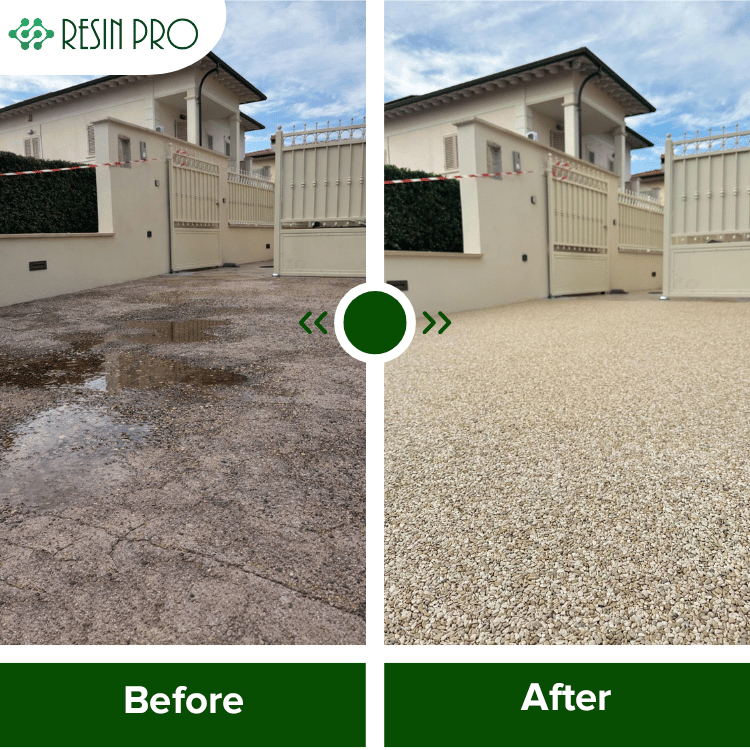
Permeable flooring is gaining traction across the UK as a stylish, eco-conscious solution for driveways, patios, and outdoor paths. But the real question many DIYers and homeowners want answered is: Will a self-installed permeable floor stand the test of time? Explore the products, technologies and choices crucial to achieving outdoor floors that remain robust—and stunning—for years, even in Britain’s varied weather.
Understanding DIY Permeable Flooring
Permeable floors are specially designed surfaces that let rainwater pass through, reducing puddling and supporting responsible drainage. Unlike non-permeable alternatives, they combine stones or gravel with resin binders to create a porous yet stable finish. The trick to durability? Using the right stone, binder, and primer for the location and intended foot or vehicle traffic.
Comparison: Tested Products for Lasting Permeable Surfaces
Let’s examine UK-ready solutions, each proven for performance and user-friendliness, available from ResinPro:
- “Flowstone” – Complete Permeable Floor Kit with Pebbles and Resin: An all-in-one package for pebbled drains, paths, and driveways. It includes material selection advice: non-yellowing polyurethane for white stones and low-yellowing epoxy for coloured aggregates, maximising both appearance and longevity.
- “Resinstone” – One-Component Methacrylic Resin for Concrete Floors and Driveways: Ideal for sealing new or existing concrete, providing waterproof—but still breathable—protection in garages, paths, and outdoor surfaces.
- Washed Pebbles for Permeable Floors 25kg – Outdoor Resin-Bound Surfaces: Sustainably sourced, pre-washed natural aggregates that promote excellent drainage, easy to use in both new applications and refits.
- “Trasparente” – Epoxy Binder for Coloured Pebbles and Grits: A clear, UV-stable epoxy perfect for binding coloured pebbles and grits for paths, driveways, and permeable floors—ensuring clarity and durability over time.
- “Epoxyprimer” – Universal Water-Based Two-Component Epoxy Floor Primer: Boosts adhesion on concrete, timber, and tile bases, keeping resin-bound surfaces securely anchored.
- “Polirock” – Polyurethane Binder for White Stones, 2kg Two-Component Kit: Designed specifically for non-yellowing performance on white stones, weather-resistant and anti-slip for outdoor durability.
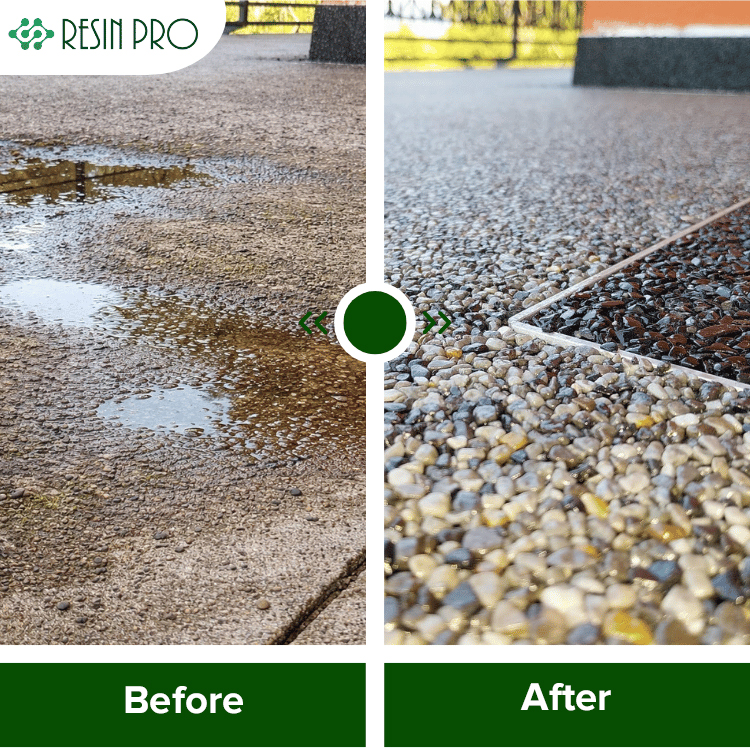
How Permeable Flooring Stands Up to UK Conditions
Durable DIY permeable flooring begins with specialised resin systems and reliable aggregate. Rainfall and freeze-thaw cycles challenge outdoor surfaces, but solutions like Flowstone and Polirock respond with weather-proof, slip-resistant, and anti-yellowing formulations that remain robust year after year—even after repeated exposure to the elements.
What Affects the Durability of DIY Permeable Floors?
The lifespan and toughness of any DIY permeable floor relies on substrate quality, resin selection, and application techniques. Here’s what sets robust systems apart:
- Aggregate Quality: Products like Washed Pebbles for Permeable Floors ensure optimal drainage without organic residues or dust that diminish bond strength.
- Binder Selection: Choosing the ideal resin is critical. Polirock is best for white pebbles as it maintains a crystal-clear finish even after prolonged UV exposure (avoiding yellowing). For coloured stones, Trasparente epoxy binder is preferred—delivering a robust, non-yellowing seal that holds up even in heavy use.
- Surface Preparation: Underpin your surface with Epoxyprimer for the strongest possible bond, ensuring years of stable performance on concrete, tiles, timber or screed.
- Correct Ratios & Mixing: For best results, use resin binders at around 3% of stone weight, following step-by-step guidance in the Flowstone Complete Kit.
Every product above is suited for DIY application and includes simple usage instructions. Properly installed permeable flooring resists frost, mechanical wear, temperature swings, and chemical exposure—essential for the demanding UK climate.
Why DIY Permeable Flooring Is a Reliable Choice
Modern Pebble Floors and resin systems, like those in our range, are engineered for both looks and longevity. Whether you’re refreshing a driveway or building new patios, careful selection from multipurpose epoxy resins and weather-stable binders ensures lasting performance. Finished correctly, these surfaces are:
- Resistant to footfall, cars, and harsh weather
- Safe and anti-slip, even when wet
- Easy to maintain—most marks and organic stains rinse away
- Visually appealing year-round
It’s the combination of robust stone, resilient binder, and primer, as found in the solutions above, that empowers DIY users to achieve professional-grade results previously reserved for contractors.
Ensuring DIY Success: Compatibility and Advice
For a reliable finish, match your base and binder type to your project. Epoxyprimer suits concrete, wood, or screed. Trasparente epoxy binder ensures clarity and staying power on colourful aggregates, while Polirock is best for white stones that might otherwise discolour. Always follow the supplied ratios and mixing instructions for the best result.
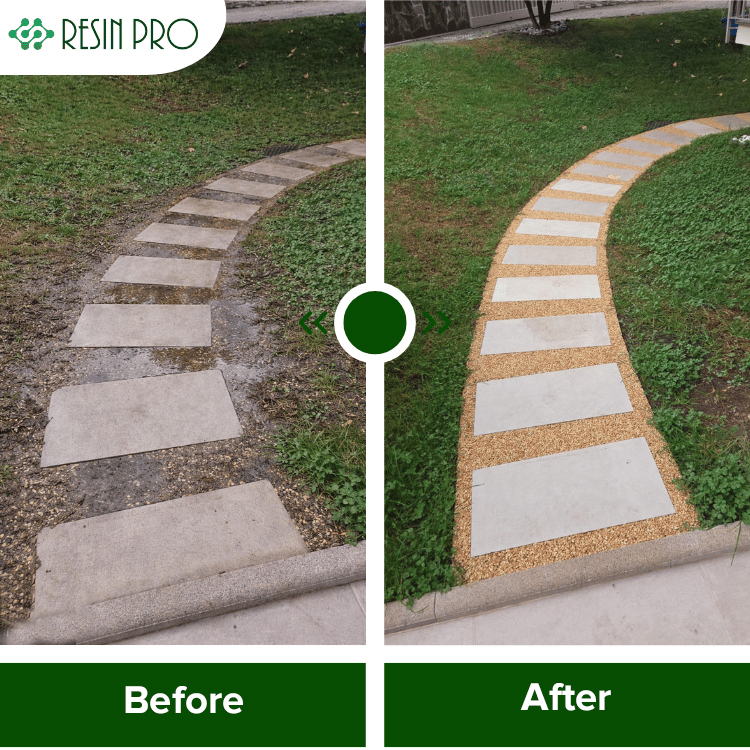
Effortless Customisation for Every Project
Appearance matters. All products above support creative freedom: mix natural pebbles with marble or granite granules, select from a broad palette of resin-compatible stones, and use the right binder—be it epoxy for darker tones or polyurethane for luminous whites—for a unique finish. All while preserving drainage and durability.
Ease of Application: DIY Benefits and Guidance
Each system, especially the straightforward Flowstone Complete Kit with Pebbles and Resin, comes with detailed, stepwise instructions. Surfaces can be installed at home—even by newcomers—with results that rival professional work. For very large projects, mixing with a cement mixer (recommended in our guides) boosts efficiency and consistency.
- "Flowstone" – Complete Permeable Floor Kit with Pebbles and ResinPrice range: £42.85 through £3,389.85"Flowstone" is a permeable pebble and resin floor kit designed for driveways and patios with guidance for resin use in UK outdoor settings.
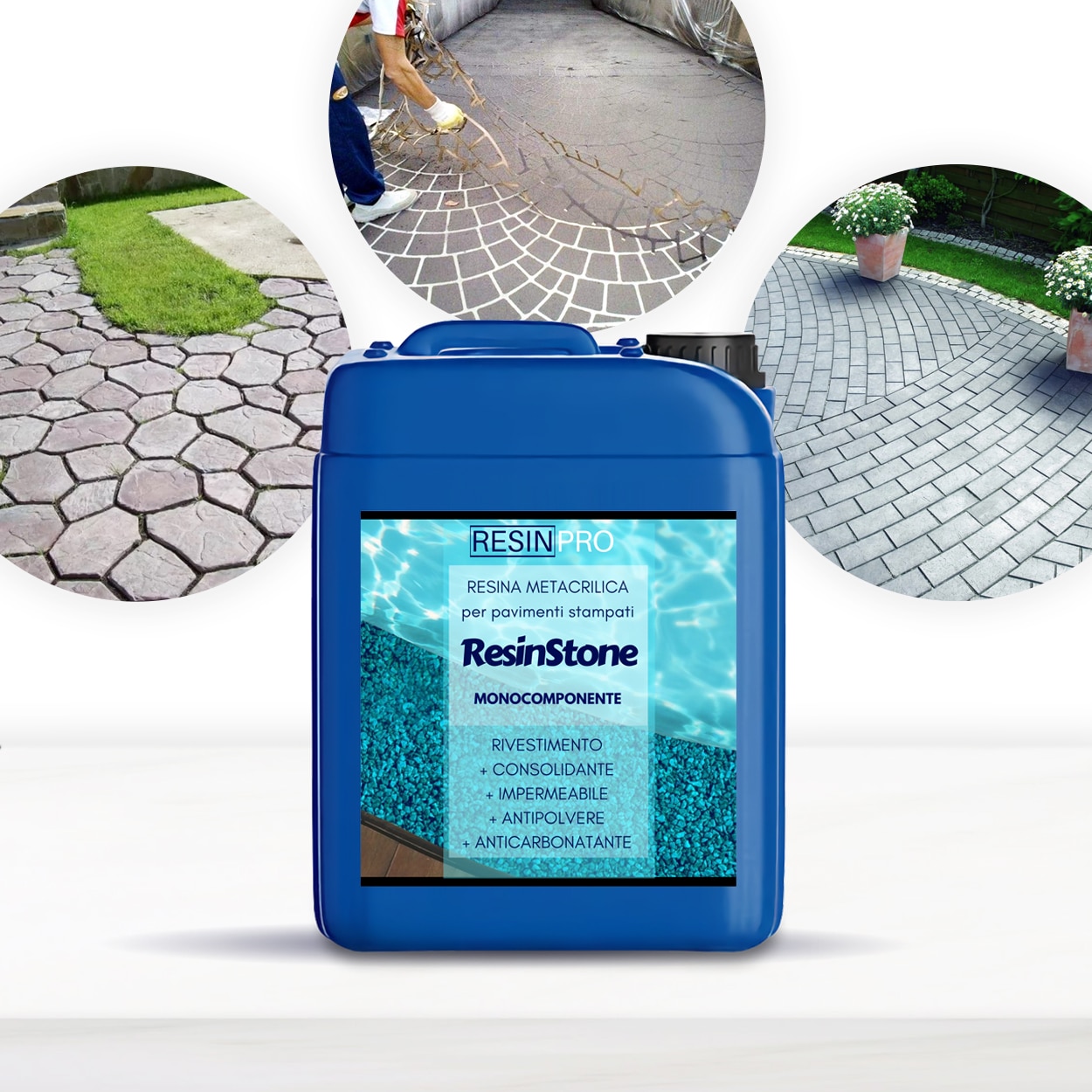 "Resinstone" – One-Component Methacrylic Resin for Concrete Floors and DrivewaysPrice range: £29.85 through £59.85"Resinstone" is a one-component methacrylic resin designed for sealing and protecting concrete floors with durable and breathable waterproofing.
 Washed Pebbles for Permeable Floors 25kg – Outdoor Resin-Bound Surfaces£26.85Washed Pebbles for Permeable Floors offer a practical option for outdoor resin-bound surfaces, supporting permeability and natural aesthetics.
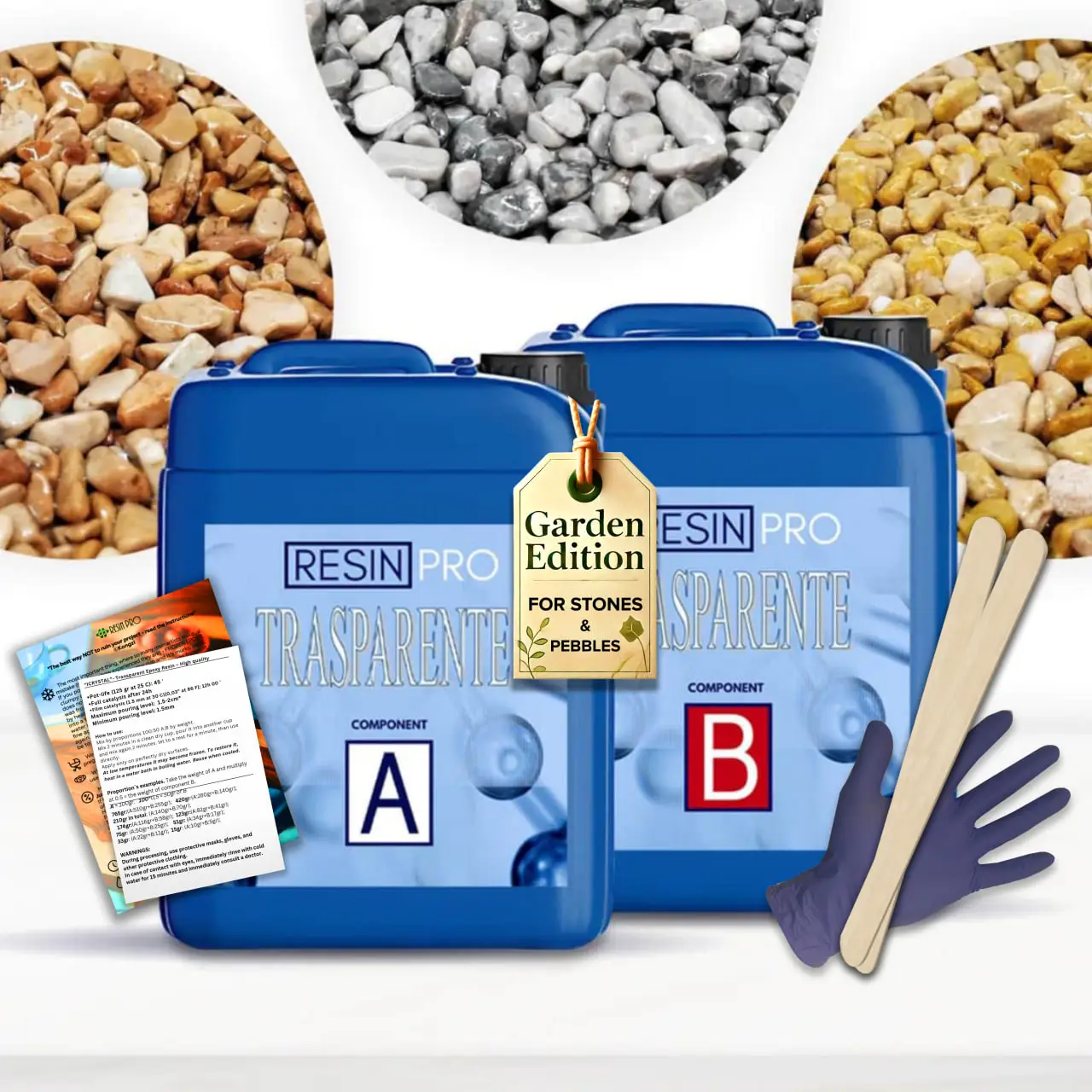 "Trasparente" – Epoxy Binder for Coloured Pebbles and GritsPrice range: £31.85 through £948.85"Trasparente" epoxy binder offers a clear, UV-stable finish suitable for coloured pebbles and grits, supporting the theme of durable DIY permeable…
 "Epoxyprimer" – Universal Water-Based Two-Component Epoxy Floor PrimerPrice range: £148.84 through £272.45Epoxyprimer is a water-based epoxy primer designed for durable and stable adhesion on a variety of flooring surfaces in the DIY permeable flooring…
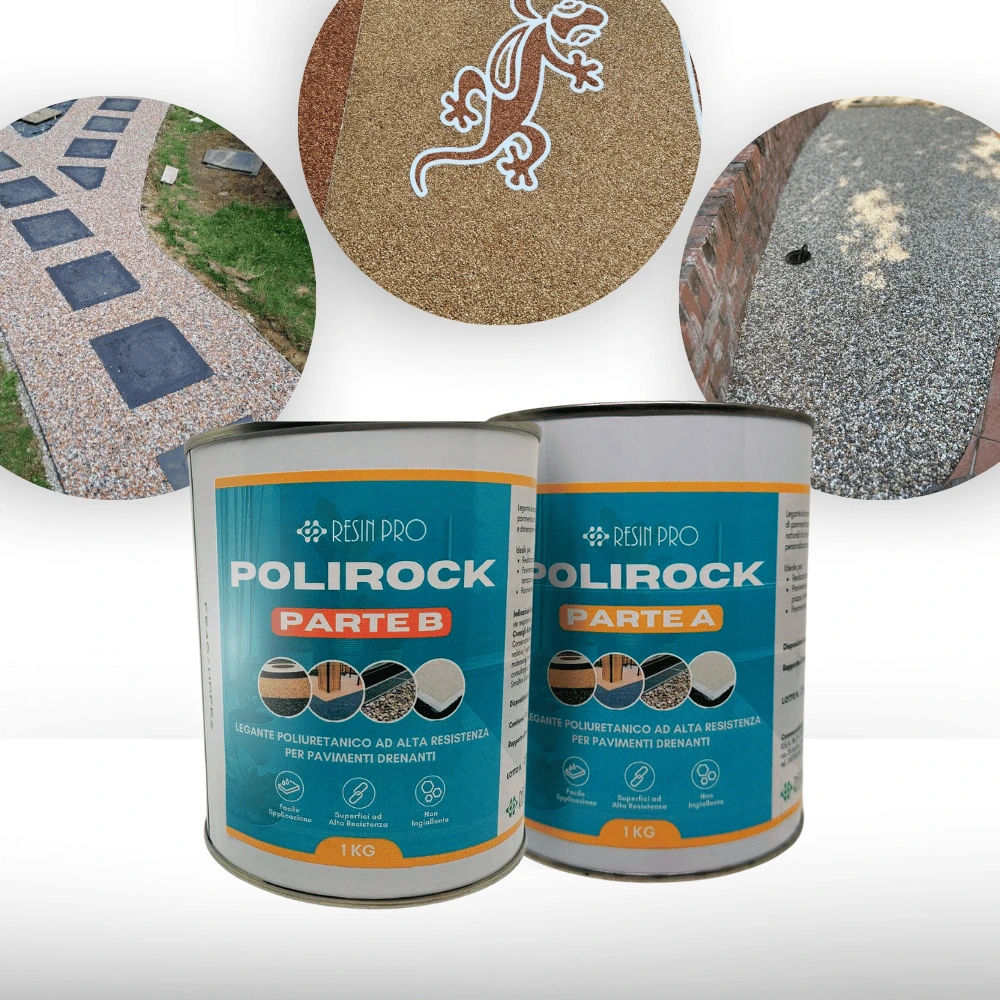 "Polirock" – Polyurethane Binder for White Stones, 2kg Two-Component Kit£58.85"Polirock" polyurethane binder for white stones is suitable for creating durable decorative permeable outdoor stone surfaces.
Frequently Asked Questions
What types of resin do you offer for flooring?
We offer resins for industrial cement-based floors, coloured self-levelling floors, garage floors, permeable pebble flooring, and tile coatings. Options are available for both the DIY and professional markets.
What are the advantages of resins compared to other flooring materials?
Are specific weather conditions required for resin application?
Yes. For best results and to ensure strong adhesion, it is advisable to apply resin when temperatures are moderate and humidity is not excessive. Avoid installation during extremes of heat, cold, or damp.
How do permeable floors differ from non-permeable alternatives?
Permeable floors allow water to drain through the surface, reducing runoff and promoting safer, drier outdoors, which these pebbles support.
What binder is suitable for coloured or natural-tone stones?
Are permeable floors suitable for high-traffic areas?
Yes, granule and resin permeable floors are strong and suitable for pedestrian areas, driveways, and car parks, provided appropriate materials and installation methods are used.
Can I install a permeable floor myself?
Absolutely. Each of these DIY-friendly products is designed for straightforward installation and doesn’t require specialist skills. For large surfaces, using a cement mixer can assist with mixing and application.