 Free shipping on orders over £29,85
  Shipping Tracking!


 Google
 Facebook
How do you apply resin to floors?
Step-by-step guidance for seamless resin floor installation outdoors

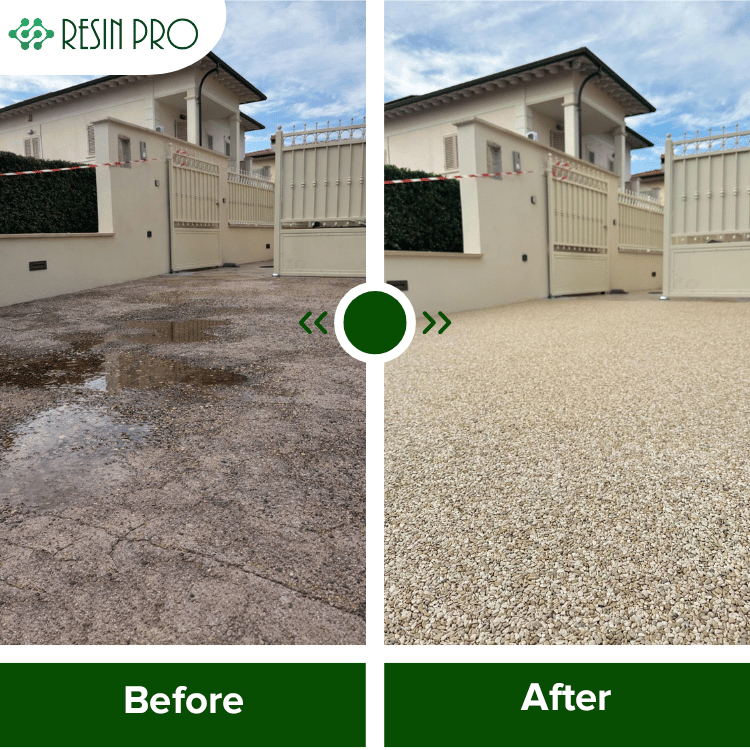
Applying resin to floors is a popular solution for creating durable, attractive, and low-maintenance surfaces outdoors. Whether planning a driveway, footpath, or patio, mastering this technique provides a permeable finish that withstands the elements and elevates your outdoor spaces. This guide covers the essential steps for a successful resin floor application, addressing best practices for surface preparation, mixing, and finishing, while noting potential pitfalls to avoid.
What You’ll Need
Before starting, gather the necessary materials and tools to ensure a smooth workflow and optimal results. Recommended products for resin-bound flooring include:
- “Flowstone” – Complete Permeable Floor Kit with Pebbles and Resin: A comprehensive system for creating permeable, draining outdoor surfaces.
- “Trasparente” – Epoxy Binder for Coloured Pebbles and Grits: A transparent binder for coloured and natural stone aggregates.
- “Epoxyprimer” – Universal Water-Based Two-Component Epoxy Floor Primer: Prepares and seals stable substrates including concrete, screed, or tiles.
- “Polirock” – Polyurethane Binder for White Stones, 2kg Two-Component Kit: Ensures clarity and UV resistance, ideal for white or light aggregates.
Additional tools: mixing vessel, paddle mixer, trowels, gloves, and protective gear.
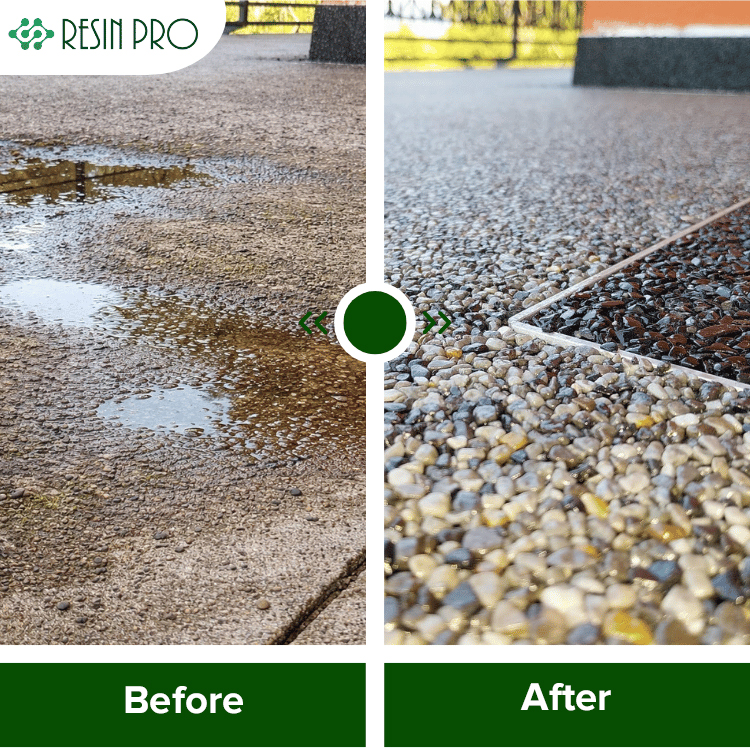
Visual Guide: Resin and Aggregate Preparation
Review product-specific mixing guidelines and observe consistency before spreading mixtures. Clear, labelled containers and well-lit workspace support precision and safety.
Step 1: Prepare the Surface
Start by ensuring your base is load-bearing, stable, and free from moisture, dust, oil, or loose debris. Concrete, screed, or well-fixed tiles are ideal substrates. An uneven or damp substrate can compromise adhesion and lead to long-term surface failure.
Check for cracks or defects and repair them before proceeding. It’s vital to allow new concrete slabs to fully cure—typically 28 days—before resin application. The ambient and substrate temperature should be between 10°C and 25°C for best results. Avoid working in wet conditions or direct sunlight, which can affect curing and finish.
Always prepare and prime your floor substrate carefully for the best results and longevity of your resin floor.
"Flowstone" – Complete Permeable Floor Kit with Pebbles and Resin
A permeable pebble and resin kit designed for durable, draining outdoor flooring in UK conditions.
Step 2: Apply the Primer
To enhance adhesion and seal the substrate against moisture, apply a suitable floor primer evenly across the prepared surface. Use a roller, brush, or spatula to achieve consistent coverage. Allow the primer to dry thoroughly as directed, typically for 24 to 48 hours.
For this stage, “Epoxyprimer” – Universal Water-Based Two-Component Epoxy Floor Primer is recommended on concrete, wood, or tiled bases, ensuring solid adhesion and an odourless application suitable for outdoor or indoor projects.
Step 3: Mix Resin Binder and Aggregates
Once the primer has cured, combine your chosen resin binder with dried decorative aggregates. The mixing ratio will vary depending on product and aggregate type—always follow the manufacturer’s instructions for both resin and stone.
For coloured or natural stones, “Trasparente” – Epoxy Binder for Coloured Pebbles and Grits provides strong bonding and clarity. If working with white or light-coloured stones, “Polirock” – Polyurethane Binder for White Stones, 2kg Two-Component Kit offers UV resistance and a non-yellowing finish.
Use a paddle mixer or cement mixer for larger batches to ensure even distribution. Poor mixing can result in weak spots or colour inconsistency.
Proper mixing of resin and aggregates is crucial for durability—take care to fully coat the stones with binder for best performance.
"Flowstone" – Complete Permeable Floor Kit with Pebbles and Resin
A permeable pebble and resin kit designed for durable, draining outdoor flooring in UK conditions.

Step 4: Lay and Finish the Resin Flooring
Pour the prepared resin and aggregate mixture onto the primed floor in manageable sections. Using a steel trowel, spread the mix uniformly to achieve target thickness—commonly around 10–18 mm for footpaths and light traffic areas.
Press down to compact the mix and achieve a smooth surface. Attention at the edges and joins ensures a seamless final look. Some systems, such as the “Flowstone” – Complete Permeable Floor Kit with Pebbles and Resin, provide step-by-step instructions to support a consistent and attractive result across various project sizes.
Allow the surface to cure fully before subjecting to foot or vehicle traffic—cure times vary by product and environment but are generally 10–24 hours for light traffic, and up to 48 hours for full cure.
Use the right resin binder for your chosen stones to maintain appearance and structural integrity over time.
Tips, Common Mistakes and Troubleshooting
Successful resin flooring requires attention to detail and strict adherence to conditions and instructions:
Avoid applying resin in extreme temperatures or wet conditions to prevent poor curing or surface defects.
Do not skip priming or rush mixing. Incomplete mixing or using the wrong binder (e.g., epoxy with white stones) may result in yellowing, weak floors, or water ingress. Always check product compatibility and timing, and follow the guidance in your selected system.
If you spot dull patches after curing, check for insufficient resin coverage in those areas and consider a corrective thin overcoat. For stains or surface issues, address spills promptly and refer to manufacturer cleaning advice to maintain long-term appearance.

"Trasparente" – Epoxy Binder for Coloured Pebbles and Grits
Transparent epoxy binder suitable for coloured pebbles and grits, used in permeable flooring applications.
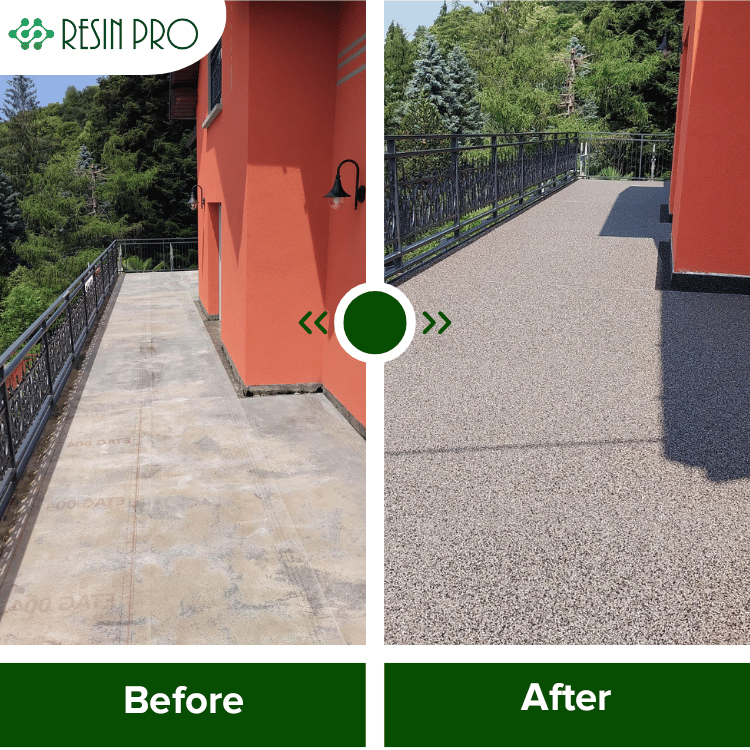
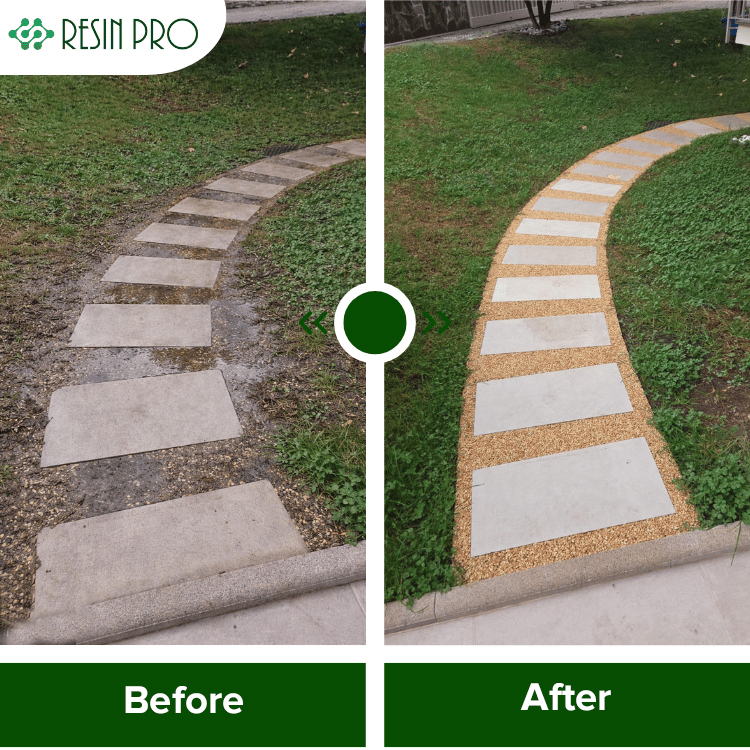
Gallery: Finished Resin Floor Examples
See completed driveways and patios with resin-bound systems in different colours and patterns. These real-life installations showcase possible finishes and design ideas.
- "Flowstone" – Complete Permeable Floor Kit with Pebbles and ResinPrice range: £42.85 through £3,389.85The Flowstone kit offers a permeable, durable pebble and resin system for outdoor floors with simple application guidance.
- "Trasparente" – Epoxy Binder for Coloured Pebbles and GritsPrice range: £31.85 through £948.85"Trasparente" is a clear epoxy binder designed for coloured pebbles and grits, supporting flooring applications with UV resistance and low viscosity.
 "Epoxyprimer" – Universal Water-Based Two-Component Epoxy Floor PrimerPrice range: £148.84 through £272.45"Epoxyprimer" is a water-based two-component epoxy floor primer designed for reliable adhesion and durable results on various stable surfaces.
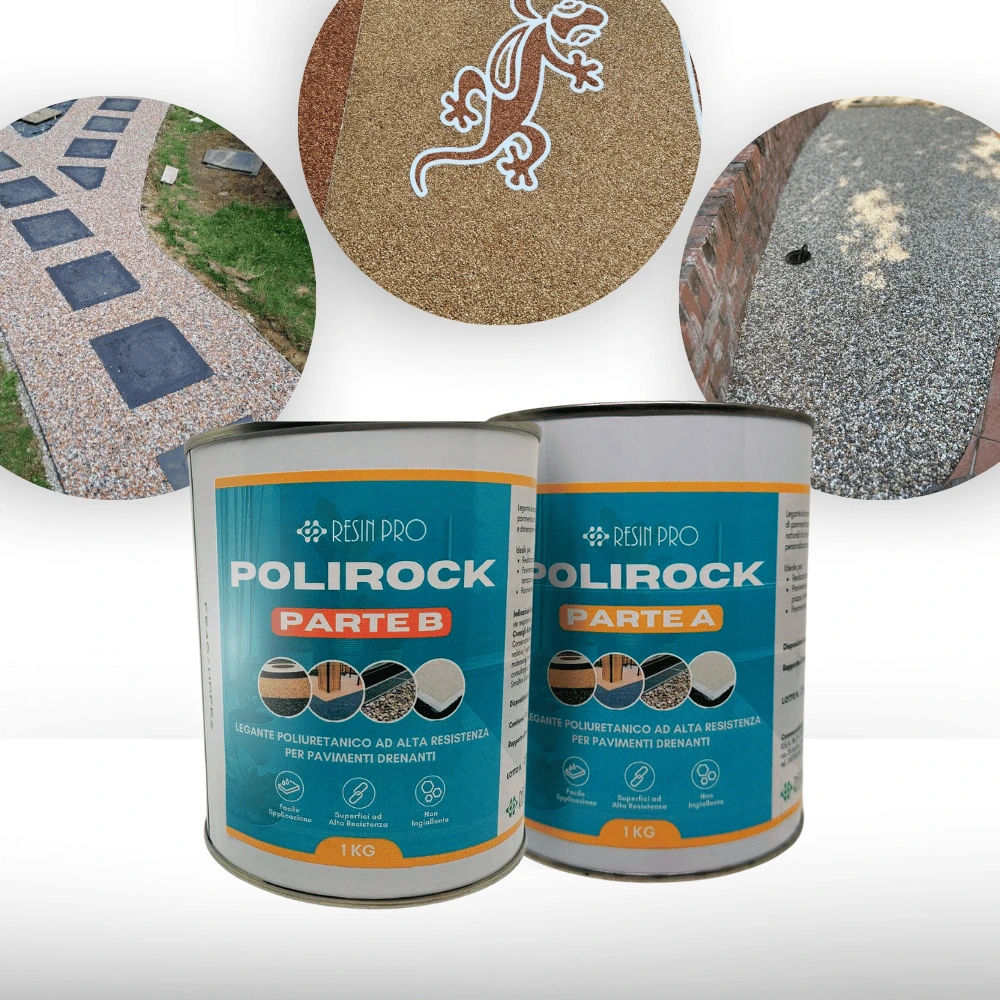 "Polirock" – Polyurethane Binder for White Stones, 2kg Two-Component Kit£58.85"Polirock" is a two-component polyurethane binder suitable for decorative and permeable outdoor stone surfaces with lasting durability.
Frequently Asked Questions
Can I apply resin flooring myself or should I hire a professional?
With careful preparation and by following each step closely, most DIY enthusiasts can achieve quality results. Larger or more complex areas may benefit from professional assistance.
How long before my resin floor is ready for use?
Light foot traffic is possible after about 10–24 hours, depending on product and weather. Wait at least 48 hours before driving vehicles on new resin floors.
What substrate is best for resin floors?
Stable, dry bases such as concrete, screed, or fixed tiles are preferred. Avoid loose, damp, or flexible substrates that can undermine the finished surface.
Why is priming necessary before laying resin?
Priming improves adhesion, prevents moisture penetration, and ensures the resin system bonds securely to the subfloor, resulting in a stable, long-lasting installation.
What happens if I mix resin and stones incorrectly?
Poor mixing may cause weak bonding, surface crumbling, or inconsistent appearance. Always mix until every grain is evenly coated and follow recommended ratios.
Is a resin-bound floor permeable to water?
Yes, properly applied resin-bound surfaces allow water to drain through, reducing puddles and helping comply with SuDS regulations for outdoor areas.
What if the weather changes during installation?
If rain or temperature drops are forecast, wait for suitable conditions. Moisture entering uncured resin can ruin the finish and compromise performance.