 Free shipping on orders over £29,85
  Shipping Tracking!


 Google
 Facebook
How do you apply resin flooring?
Step-by-step guide for seamless and durable resin floors

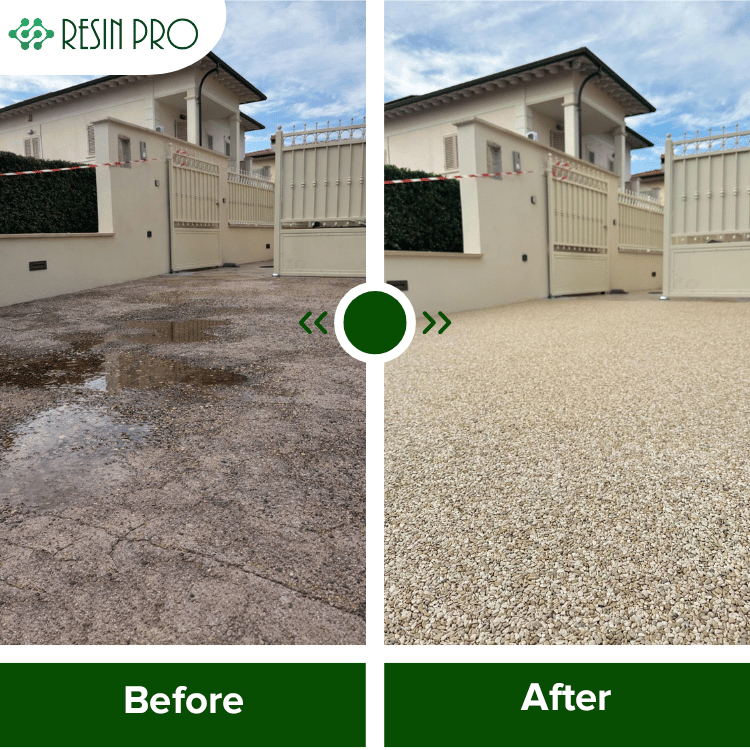
If you want a sleek, seamless, and long-lasting floor for your drive, patio, or garden path, resin flooring is an excellent choice. Applying resin flooring involves careful planning, correct material selection, and attention to surface conditions. This guide walks you through what matters most at each stage so you can achieve professional results whether you are a DIY enthusiast or tackling a large-scale outdoor project.
What You’ll Need
- “Epoxyprimer” – Universal Water-Based Two-Component Epoxy Floor Primer for surface pre-treatment (essential for concrete, timber, tiles, or screeds)
- “Trasparente” – Epoxy Binder for Coloured Pebbles and Grits for coloured or dark aggregate resin floors
- “Polirock” – Polyurethane Binder for White Stones, 2kg Two-Component Kit if working with white or light stone aggregates needing UV stability
- “Flowstone” – Complete Permeable Floor Kit with Pebbles and Resin (for complete system, including resin, aggregate and applicator guidance for permeable outdoor floors)
- Protective gloves, mixing paddle, suitable trowels, roller or brush, and a cement mixer for large areas
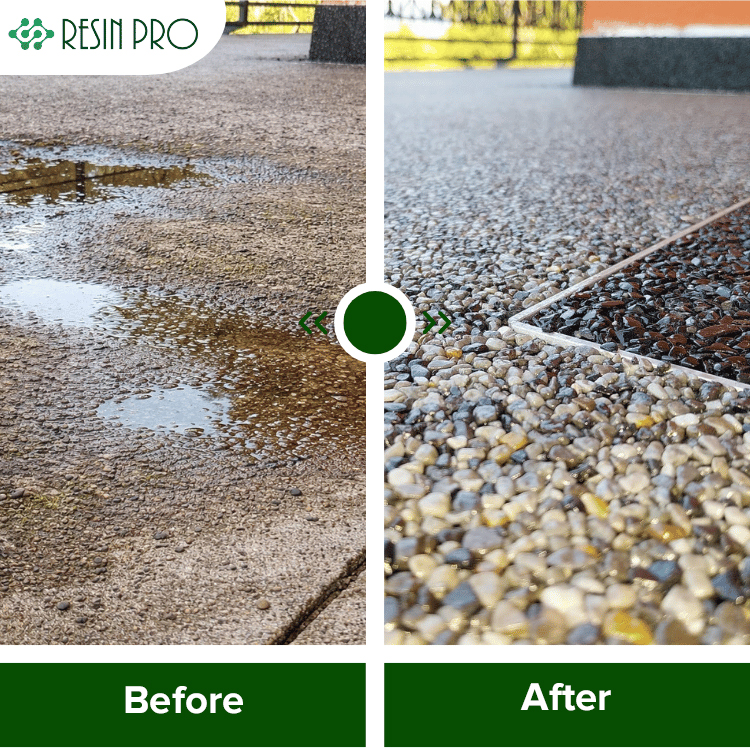
Substrate Preparation in Action
Good resin flooring relies on a thoroughly prepared surface. Preparing the base correctly is the most important step and determines the longevity and appearance of your finished floor. Make sure to use the right primer, such as Epoxyprimer, for your substrate before starting your resin application.
Step 1: Prepare the Surface
A solid, clean base is the foundation for a successful resin floor. Remove any dust, grease, loose material or organic debris from the substrate. Concrete should be fully cured, dry, and free of cracks. Timber, screeds, or tiles must be stable and well-fixed.
Ensure a dust-free and stable substrate before application. Use a vacuum if necessary. Surface levelling or local repairs may be needed for uneven areas.
To enhance adhesion and lifespan, applying a primer is highly recommended. Epoxyprimer is ideal for this step, suitable for a broad range of surfaces including concrete, timber, ceramic tiles, and screeds. Roll or brush on the primer and let it cure for 24–48 hours. Avoid proceeding until the primer is fully dry.
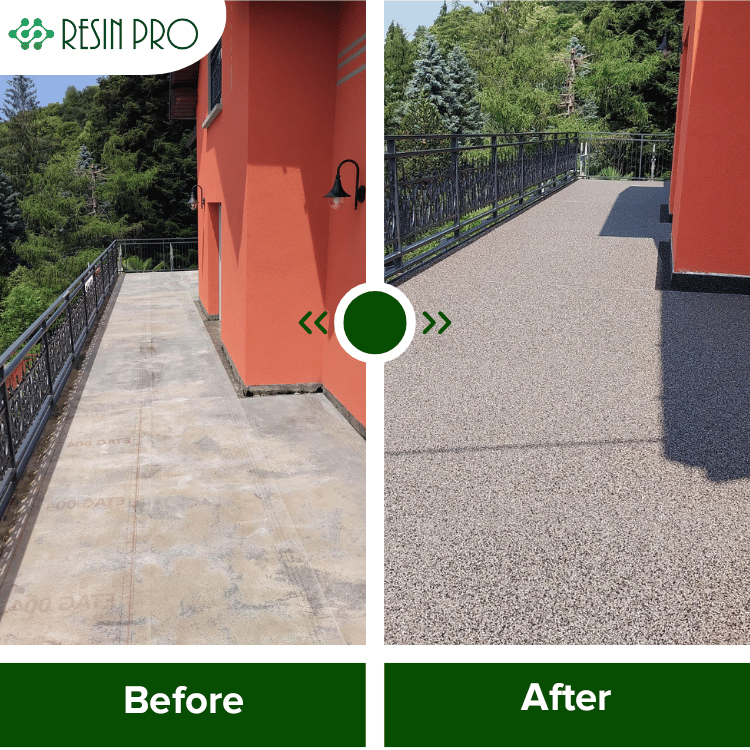
"Flowstone" – Complete Permeable Floor Kit with Pebbles and Resin
A permeable, durable, and customisable pebble and resin flooring kit designed for outdoor surfaces such as driveways and patios.
Step 2: Mix the Resin and Aggregate
Once your substrate is primed and cured, you can move on to blending your resin and chosen aggregate. The type of binder depends on your aggregate: for coloured or dark pebbles, opt for the Trasparente Epoxy Binder; for white stones, use the Polirock Polyurethane Binder. Refer to your product guidelines for mix ratios—typically 6 to 8 kg of aggregate per 1 kg of binder.
Use a cement mixer for larger batches, ensuring the resin coats every stone for structural integrity and a seamless finish. Work efficiently, as resin systems have a limited pot life and begin curing once mixed. Blend resin and aggregate thoroughly for best results.
Step 3: Apply and Level the Mixture
Spread the resin and aggregate blend evenly over the prepared surface. Begin at one corner and work systematically to prevent foot marks and ensure complete coverage. Use a trowel to achieve the desired thickness—typically 12–14 mm for standard decorative floors and up to 20 mm for driveways. Compact the mix gently for a uniform, level appearance and to ensure full bond with the base.
Avoid pauses during application, as resin can begin to set and cause visible joins. If needed, a spiked roller can help remove air bubbles and ensure an even finish. For full kits with combined components and instructions, consider the Flowstone Complete Permeable Floor Kit.
"Flowstone" – Complete Permeable Floor Kit with Pebbles and Resin
A permeable, durable, and customisable pebble and resin flooring kit designed for outdoor surfaces such as driveways and patios.

Step 4: Allow to Cure and Inspect
Resin flooring needs time to harden and reach full durability. Allow full curing before subjecting the floor to traffic. As a general rule, pebble resin floors are walkable after about 10–12 hours at 20°C, but full mechanical and chemical resistance develops after 24–48 hours. Environmental factors like temperature and humidity will affect curing times. Shield the area from rain, dust, and debris during this period.
Carefully inspect the finished floor for any patches or inconsistencies. Light sanding or an additional thin layer of resin can repair minor surface defects if necessary, but avoid heavy traffic before the full cure.
Tips, Common Mistakes, and Troubleshooting
Planning and precision are vital for a flawless resin floor. Always check substrate moisture—damp or unprimed bases can compromise adhesion. Avoid applying resin on damp or unprimed surfaces.
Measure resin and aggregate accurately and mix thoroughly. Never try to stretch the working time by adding water or thinning resin, as this weakens the final result. In colder conditions, allow longer curing times. If bubbles or unevenness appear, a spiked roller or light sanding after curing can help correct the finish.
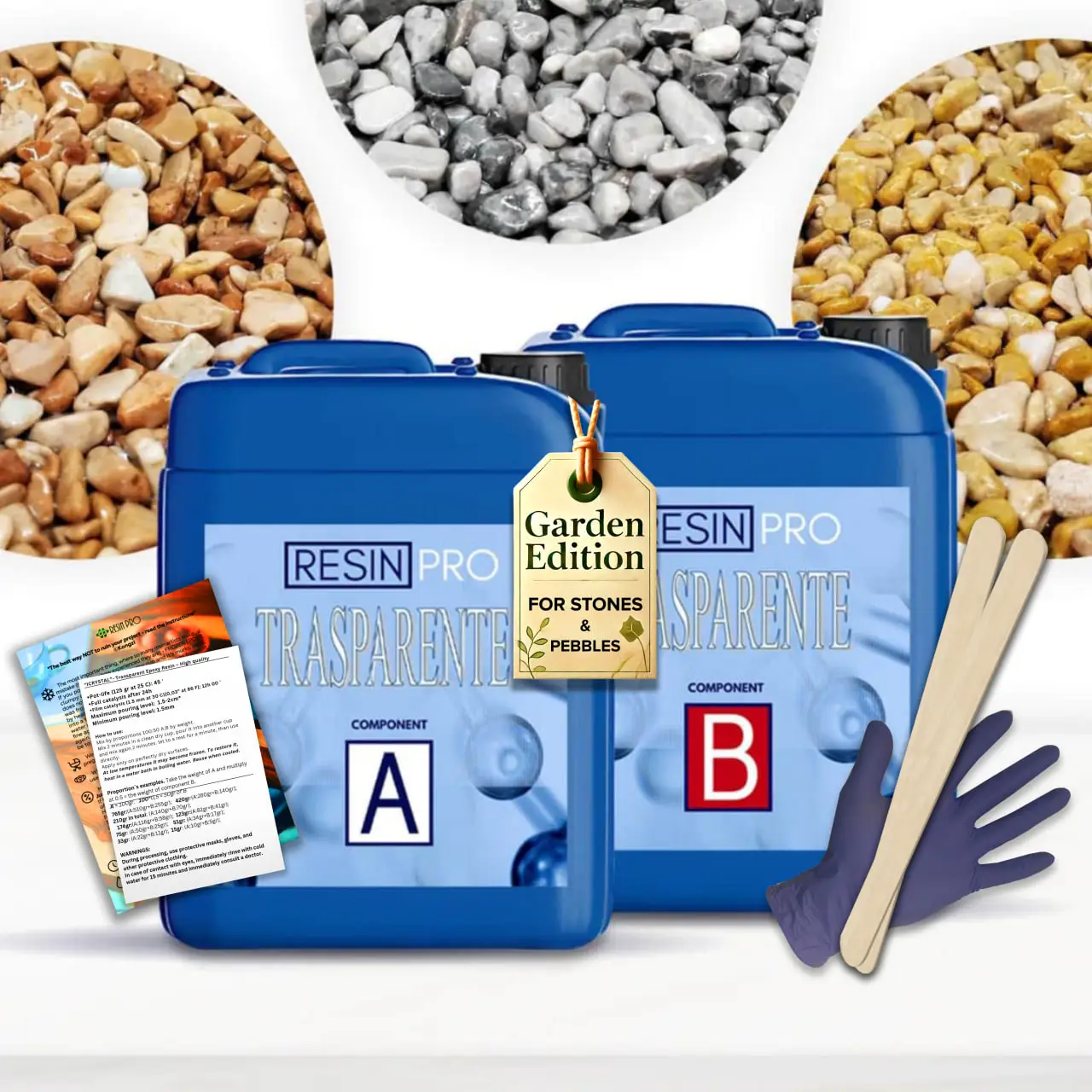
"Trasparente" – Epoxy Binder for Coloured Pebbles and Grits
A transparent epoxy binder for decorative coloured pebbles with good UV stability and mechanical resistance.
Applying and Curing Resin Flooring
Work efficiently and within the resin’s pot life. Spread your resin and aggregate mix evenly, using suitable tools to create a level surface. Don’t allow foot traffic until the floor is fully cured, and always monitor temperature and weather for outdoor applications to avoid common curing issues.
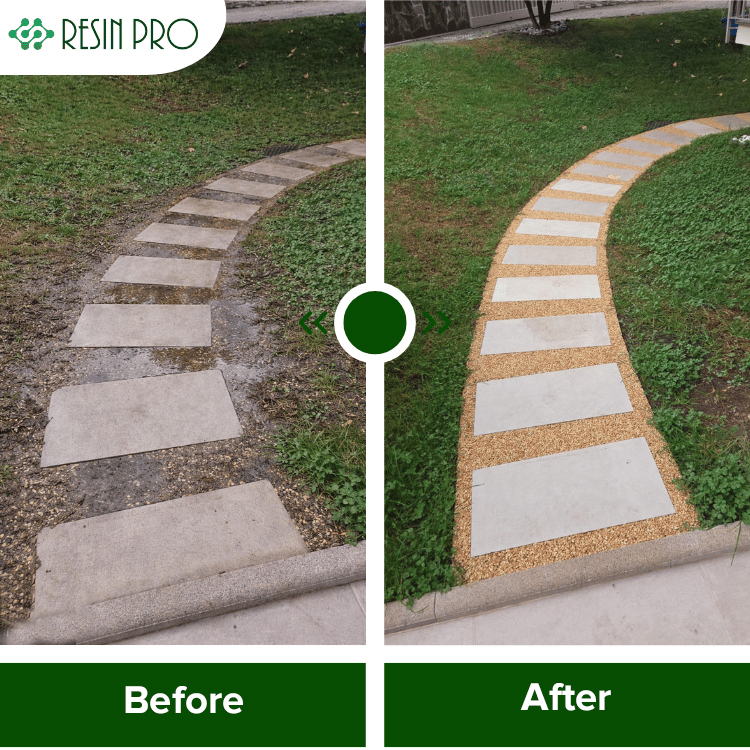
- "Flowstone" – Complete Permeable Floor Kit with Pebbles and ResinPrice range: £42.85 through £3,389.85"Flowstone" Complete Permeable Floor Kit is a durable pebble and resin system with simple application steps suitable for outdoor UK spaces.
- "Trasparente" – Epoxy Binder for Coloured Pebbles and GritsPrice range: £31.85 through £948.85"Trasparente" is a transparent epoxy binder designed for coloured pebbles and grits, suitable for clear, UV-stable decorative pebble floors.
 "Epoxyprimer" – Universal Water-Based Two-Component Epoxy Floor PrimerPrice range: £148.84 through £272.45Epoxyprimer is a water-based epoxy floor primer designed for reliable adhesion on various substrates including concrete and timber.
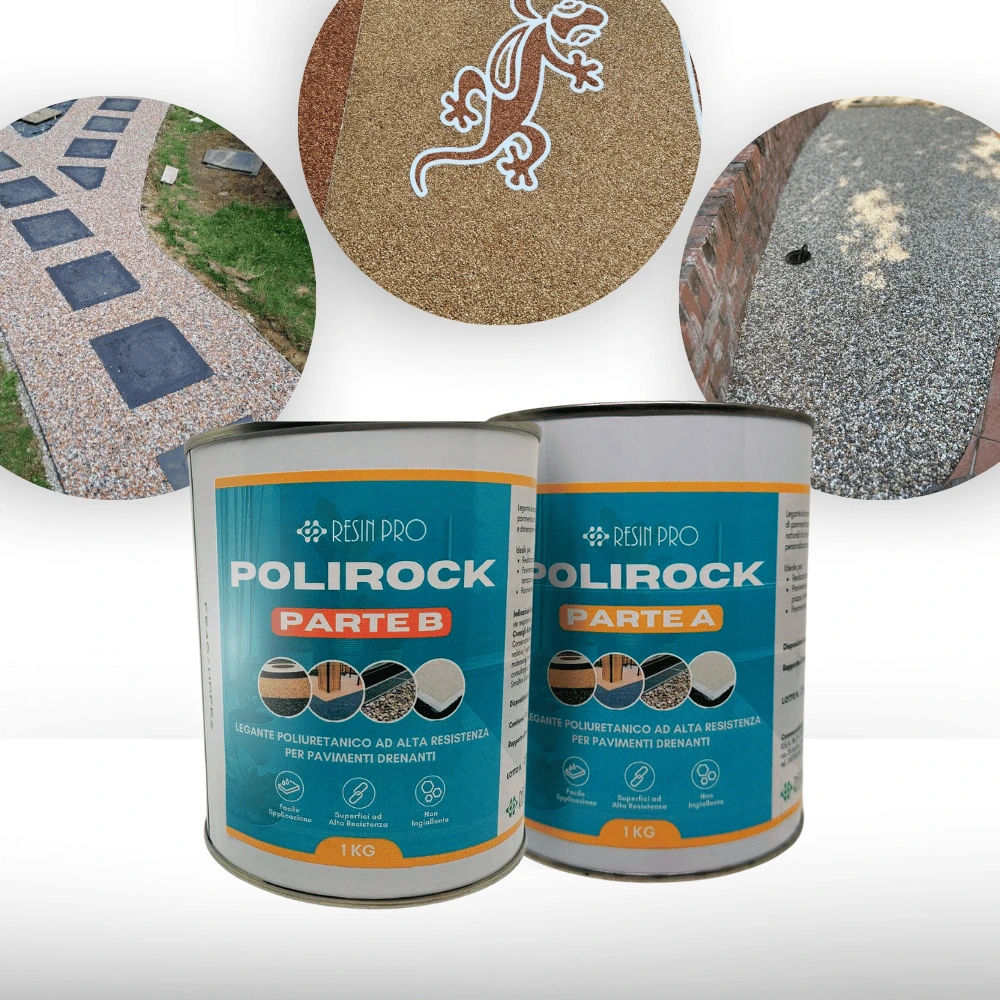 "Polirock" – Polyurethane Binder for White Stones, 2kg Two-Component Kit£58.85"Polirock" is a two-component polyurethane binder designed for creating decorative, permeable outdoor stone surfaces with lasting durability.
Frequently Asked Questions
How long does resin flooring take to cure for full use?
Most pebble resin floors can be walked on after 10–12 hours at around 20°C. However, it's best to allow 24–48 hours before heavy or vehicular traffic. Curing time varies with thickness, temperature, and ventilation.
What is the right primer for a concrete or wooden base?
For concrete, timber, screeds, and tiles, a dedicated primer like Epoxyprimer maximises adhesion and prevents moisture issues. Ensure primer is fully cured before applying resin.
Can I use resin flooring outdoors in the UK?
Yes, modern resin systems are designed for UK climate conditions, provided you avoid application during rain or extreme temperatures. Permeable resin floors also manage drainage effectively.
What if the surface looks patchy or uneven after curing?
Patchy results are usually due to poor mixing or uneven spread. Light sanding or a second thin resin coat can often correct minor mistakes once the floor is fully cured.
Is it possible to repair damaged resin flooring?
Small chips or flaws can often be repaired by lightly sanding and reapplying a patch of resin. For larger damage, consult your product guidance to ensure correct repair technique.
Can I apply resin on damp or newly laid screeds?
No. The substrate must be fully dry and cured to prevent delamination. Use moisture meters if in doubt and always allow screeds to cure according to manufacturer guidelines.