 Free shipping on orders over £29,85
  Shipping Tracking!


 Google
 Facebook
← Back to How to sand epoxy resin?
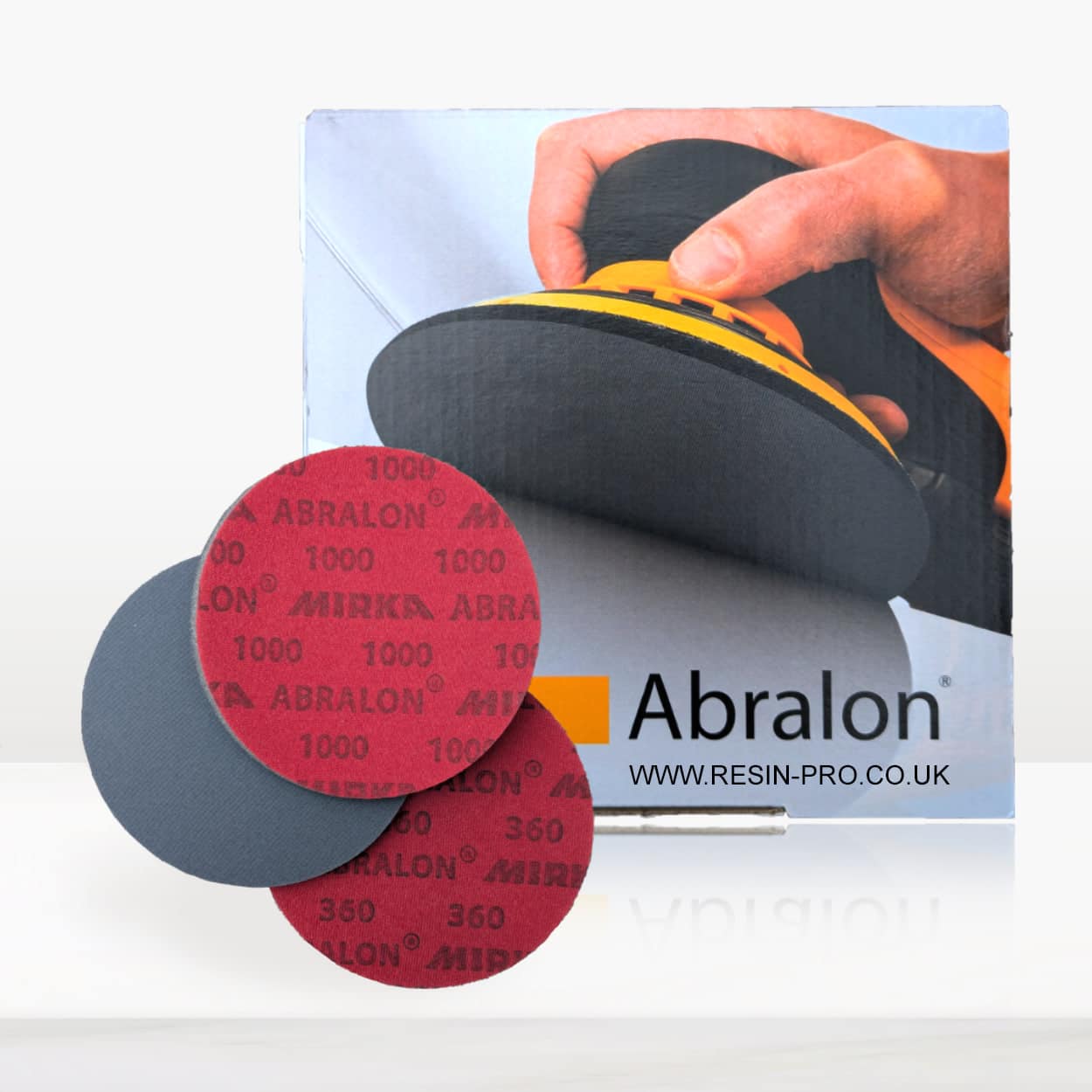
Achieving a flawless epoxy resin surface requires using the correct grit progression when sanding. Understanding how to move from coarse to fine abrasives is essential to avoid scratches and produce a professional finish.
Understanding Grit Progression
When starting to sand epoxy resin, it is vital to begin with a coarser grit to remove unevenness or surface marks, then gradually progress towards finer grits for smoothness and clarity. This controlled increase in grit prevents deep scratches and ensures a high-quality result. A typical sequence might start at 360 or 400 grit and continue through 800, 1500, and finishing around 4000 grit, depending on the level of gloss desired.
Tools and Techniques for Effective Sanding
Consistency throughout the grit stages is key to an even surface. Using sanding pads like the “Ebonite Abralon” Sanding Pads helps control pressure and allows both wet and dry sanding for resin. For larger or flat surfaces, incorporating a rotary or variable-speed polisher can make the sanding process quicker and smoother. Flexible foam sanding blocks are ideal for rounded or contoured shapes, adapting to the resin’s form without damaging it.
When Attention to Grit Progression Matters Most
Careful grit selection is especially important for transparent resin pieces, tabletops, or surfaces intended for a polished gloss. Skipping grits or rushing the process can result in visible scratches or an uneven sheen, undermining the clarity and beauty of your project.
Related products
Related guides
Selecting the proper grit progression is central to professional epoxy resin finishes and underpins every successful sanding technique. For more tips on sanding and finishing, see our main guide on how to sand epoxy resin.