 Free shipping on orders over £29,85
  Shipping Tracking!


 Google
 Facebook
← Back to How do you colour silicone rubber?
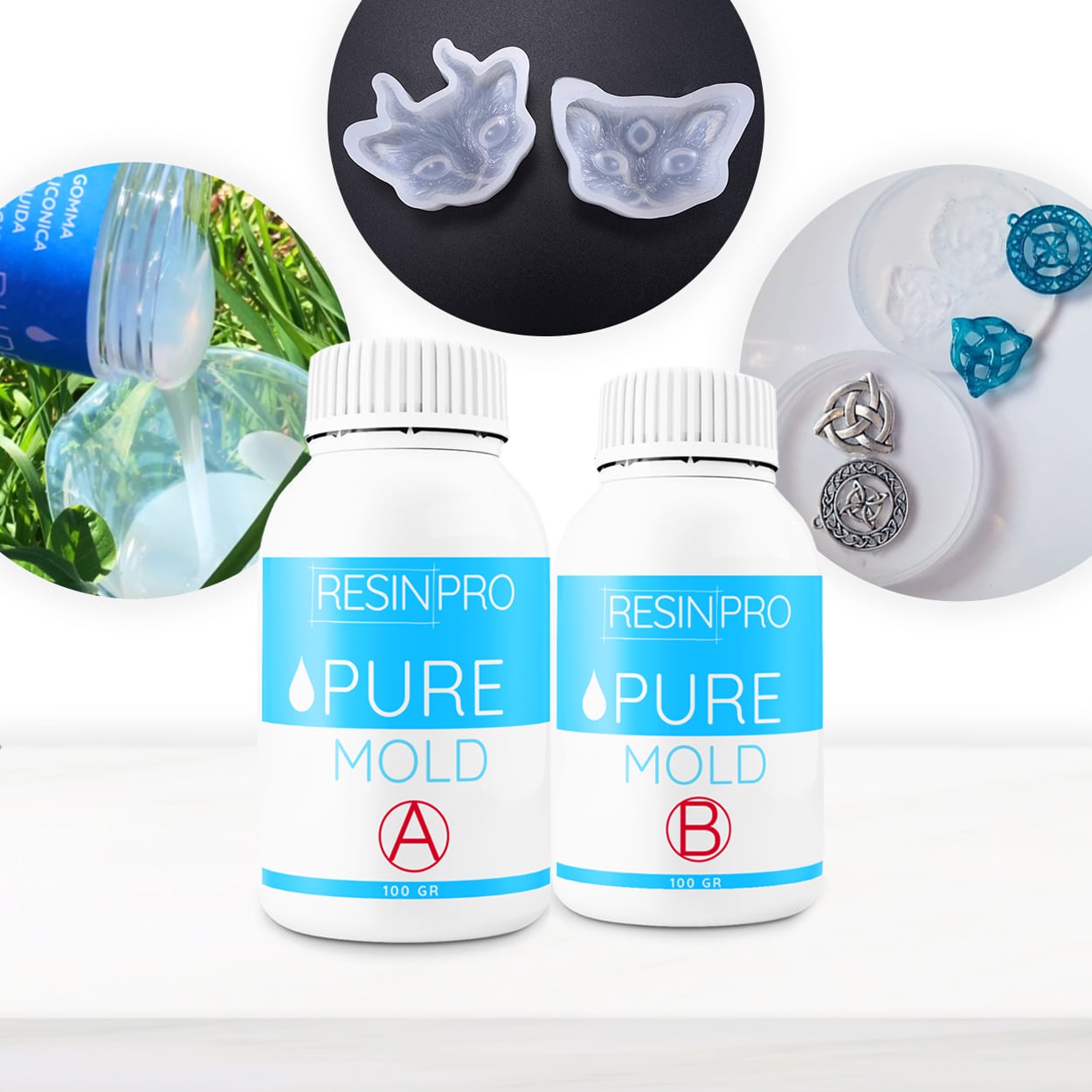
Adding pigment to silicone rubber opens up endless creative possibilities for mould making and craft projects. However, using the right amount is important to maintain the silicone’s natural properties and ensure a successful cure.
Recommended Pigment Ratio
For most silicone rubbers, a pigment loading of 2–5% by weight is advised. This means for every 100g of silicone base, add a maximum of 2–5g of compatible pigment or colour paste. Staying within this range helps preserve the curing process and elastic strength of the finished product.
- Too little pigment may result in faint colouring or streaks.
- Exceeding 5% can disrupt curing and affect mould durability.
Tips for Successful Mixing
To achieve an even, rich colour in your silicone, add the pigment directly to the base (Part A) before introducing the catalyst or activator. Mix thoroughly, scraping the sides and bottom of your container, then combine with Part B. Exceptional products like “Pure Mould” Silicone Rubber offer a translucent finish, making it easier to judge pigment distribution before casting.
- Use scales for accuracy when measuring pigment.
- Test with small batches to find your preferred intensity.
When This Matters
The exact pigment amount is particularly important for detailed or thin-walled moulds, where improper curing can lead to sticky residues or loss of fine detail. This is also key for works involving “Liquid Mould” Casting Silicone, as it captures delicate features where full cure and flexibility are essential.
Related products
Related guides
Getting the pigment ratio right not only improves the look of your silicone mould but ensures it performs as expected. For more tips and specialist products suitable for colouring and casting, see our main guide on how to colour silicone rubber.