 Free shipping on orders over £29,85
  Shipping Tracking!


 Google
 Facebook
How do you colour silicone rubber?
Achieve vibrant, custom-coloured silicone with simple steps
Transforming clear or natural silicone rubber into bold, customised colours opens up endless creative possibilities, whether you’re crafting unique moulds, casting decorative pieces, or designing functional items. This guide will walk you through the straightforward process and key techniques, ensuring consistent and long-lasting results for all types of projects involving silicone rubber.
What You’ll Need
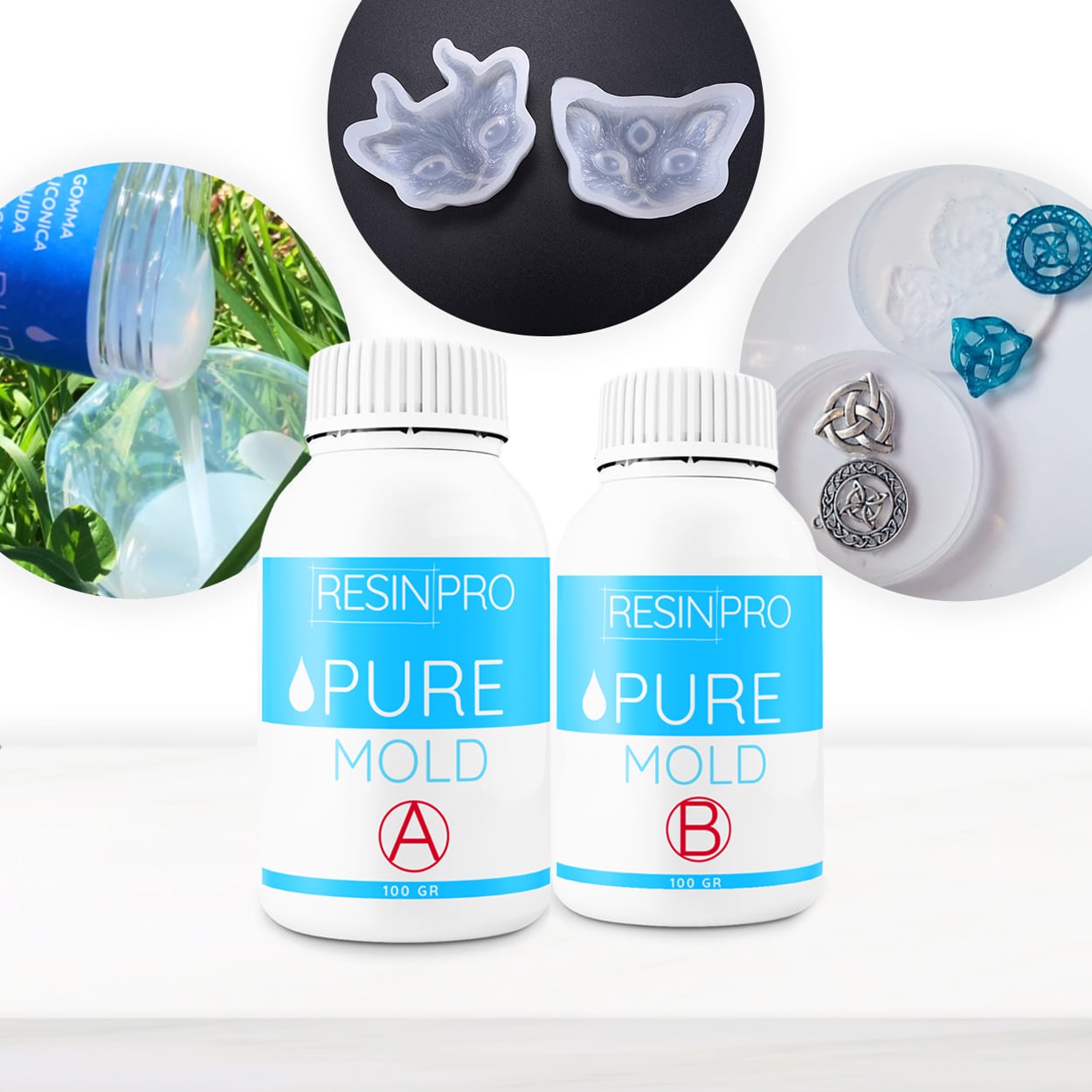
- “Pure Mould” – Translucent Liquid Silicone Rubber for Mould Making – Ideal for detailed, see-through moulds
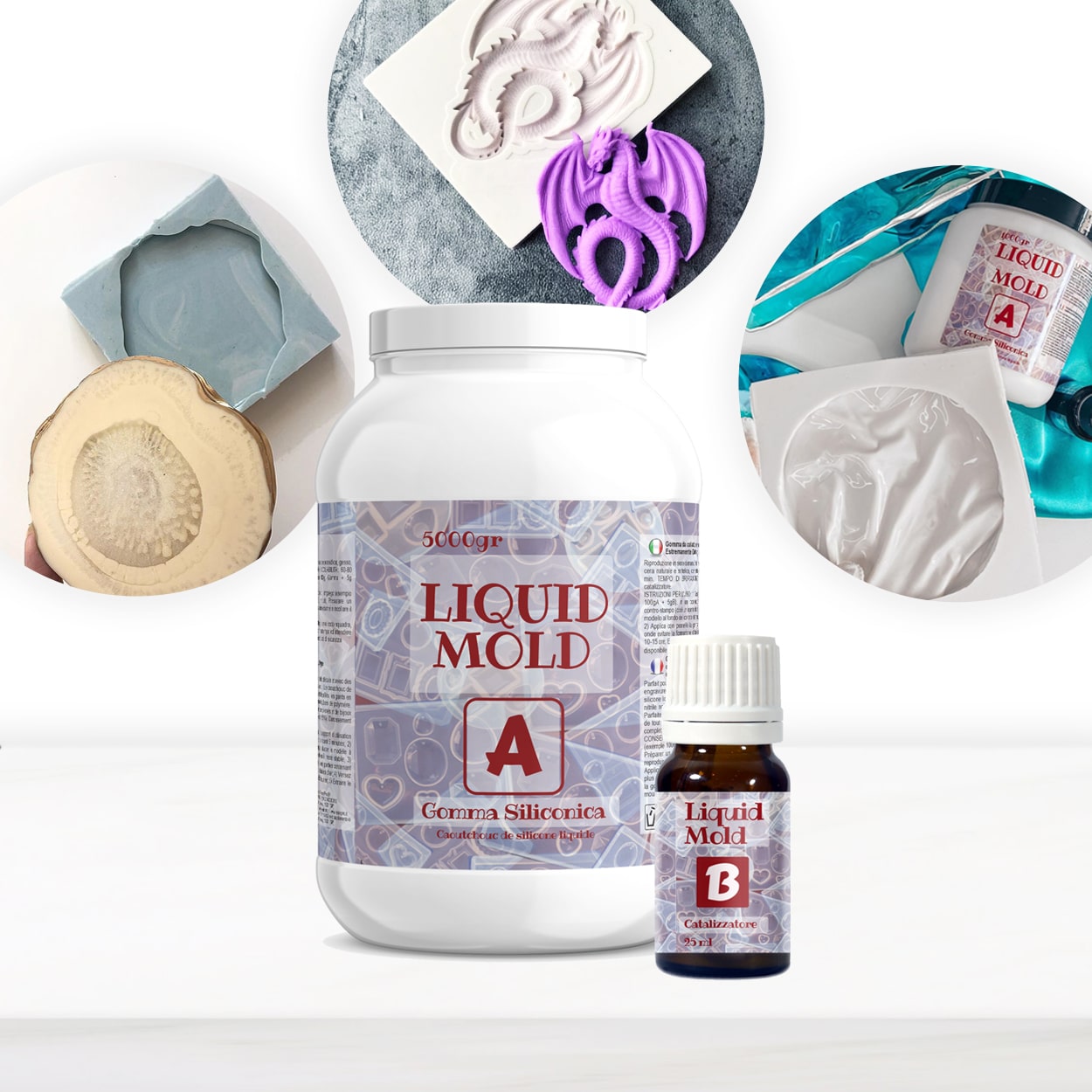
- “Liquid Mould” – Casting Liquid Silicone Rubber, 5-40 Shores, Bi-Component A+B – Great for small objects and fine detail
- “I–Gum” – Non-Toxic Silicone Putty for Mould Making – User-friendly putty ideal for rapid moulds
- Silicone-compatible liquid or powder pigments, dyes, or pastes (do not use water-based or acrylics)
- Mixing sticks and disposable cups
- Digital scales for accurate weighing
- Protective gloves and apron (recommended, especially for liquid silicones)
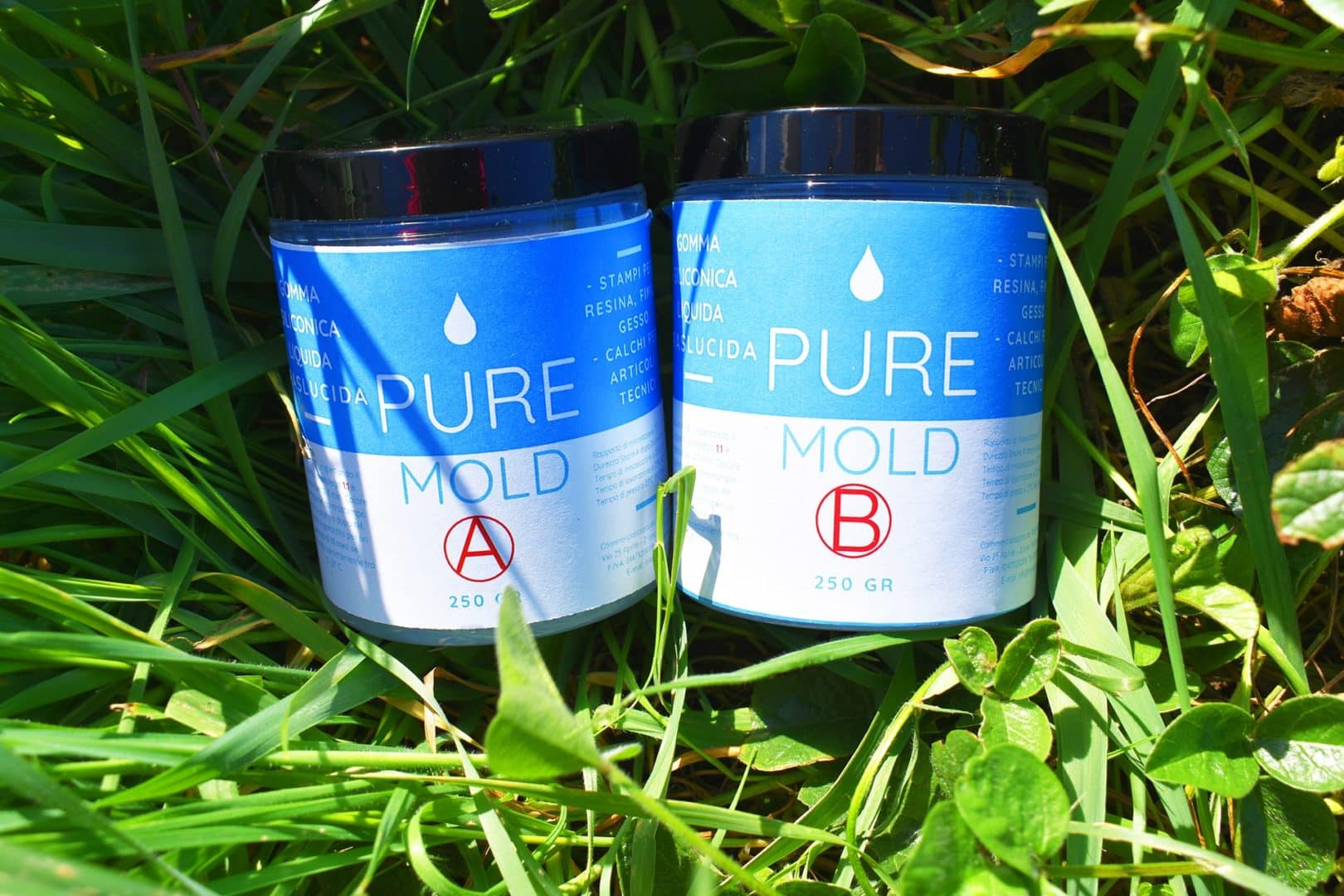
Coloured Silicone Projects Gallery
Explore vibrant coloured silicone creations achieved using translucent and putty silicone rubber. See how adjusted pigment loading can produce anything from subtle pastel to bold opaque moulds.
Step 1: Select the Right Silicone and Pigments
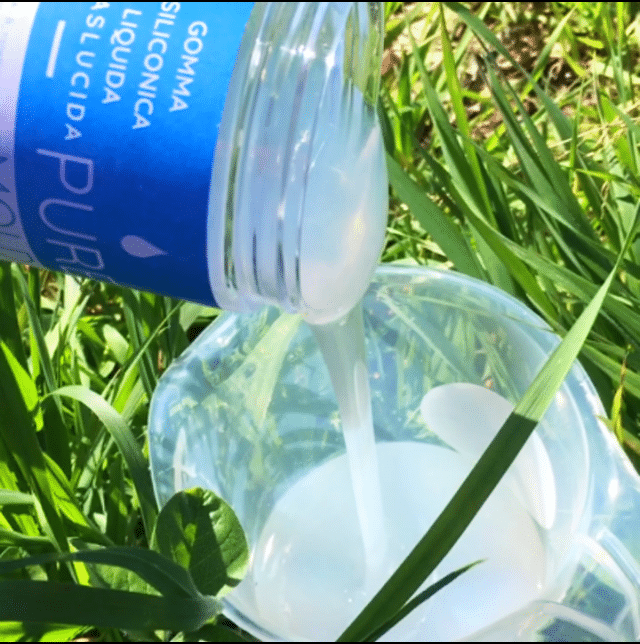
Start by choosing a silicone rubber suitable for your project. For see-through or highly detailed moulds, “Pure Mould” – Translucent Liquid Silicone Rubber for Mould Making is recommended, while the “Liquid Mould” – Casting Liquid Silicone Rubber, 5-40 Shores, Bi-Component A+B allows for a wider range of softness and detail. Always select pigments specifically formulated for silicone to avoid curing or compatibility issues.
Silicone pigments usually come in concentrated pastes or liquids. Decide on your intended colour intensity before measuring, as adding too much pigment can weaken the cured rubber. Always check manufacturer guidance for maximum pigment percentages—typically up to 2-5% of the total silicone weight.
Step 2: Measure and Mix the Silicone Components
Accurate weighing of both A and B components is crucial to ensure proper curing. Place your empty mixing cup on the scales, zero the reading, and measure out equal parts if using a 1:1 mix silicone like “I–Gum” – Non-Toxic Silicone Putty for Mould Making. For silicones needing a catalyst, follow the product’s instructions precisely.
Once both components are weighed, scrape all material into one cup. Mix firmly but smoothly to prevent streaks and achieve a uniform base before adding your pigment.
Step 3: Add Colour and Blend Thoroughly
Add a small amount of pigment to your mixed silicone base. A toothpick or spatula works well for paste pigments, while liquid dyes can be added dropwise. Stir gradually, scraping the sides of the cup, until you reach a consistent hue with no swirls or streaks.
Mix your colourants thoroughly—incomplete blending leads to patchy or marbled areas in the final rubber. For translucent effects, add less pigment and test the mix’s opacity holding a small drop up to the light before curing.
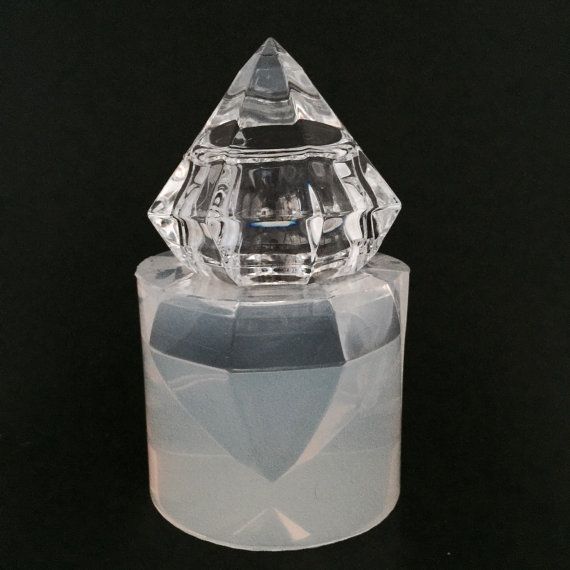
Step 4: Test and Adjust Before Pouring
Before using your coloured silicone for a full project, do a small test batch. Pour a small amount into a disposable cup or mould and allow it to cure to check intensity and curing behaviour. Test colour on a small batch first—this ensures your pigment does not affect set time or rubber performance.
If needed, adjust pigment or silicone mix for your final batch. Avoid exceeding recommended pigment ratios to preserve your mould’s strength.
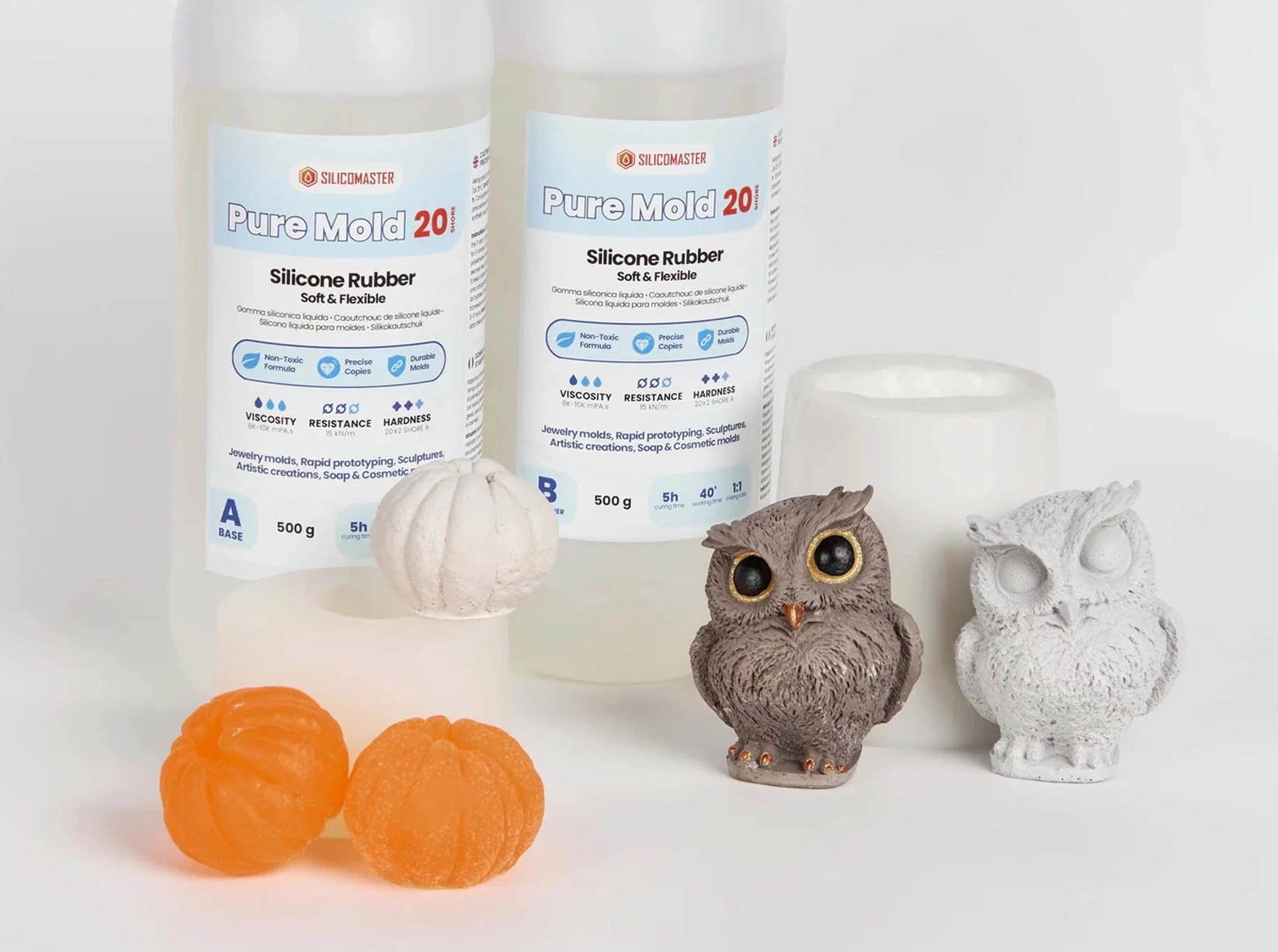
Step 5: Pour, Shape, or Apply Your Coloured Silicone
Quickly pour or apply your coloured silicone into the prepared mould or form, as curing typically begins soon after mixing. Tap the mould gently to release air bubbles. For putty products such as “I–Gum”, shape by hand and press directly onto your model.
Cure as directed by the silicone product—translucent and putty types usually cure within hours, while some thicker pours may take longer. Remove from the mould only after full curing.
Tips and Common Mistakes When Colouring Silicone Rubber
- Use the correct ratio of pigment to silicone—too much pigment may hinder curing and result in a sticky surface.
- Only use pigments, pastes or dyes formulated for silicone applications—avoid water-based or acrylic options.
- Avoid over-mixing to reduce bubbles. Work gently but thoroughly.
- Wear gloves to protect skin—even non-toxic putties can cause irritation on sensitive skin.
- Clean mixing tools immediately after use to prevent cured residue build-up.
Mixing and Colouring Silicone Tips
Master your technique by blending pigments slowly into your silicone rubber and preparing all materials before combining. For more detailed moulds, choose a lower-viscosity silicone, while putties offer fast results for simple shapes.
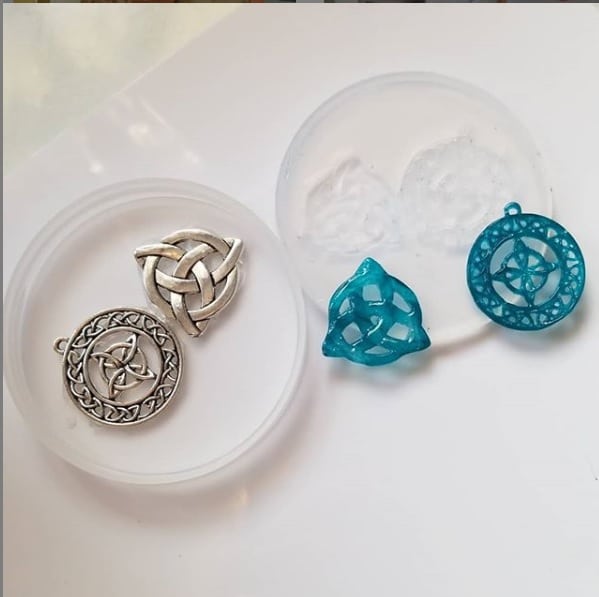
- "Pure Mould" – Translucent Liquid Silicone Rubber for Mould MakingPrice range: £22.85 through £158.85"Pure Mould" is a translucent and fast casting liquid silicone rubber for mould making, suitable for use with various resins and plasters.
- "Liquid Mould" – Casting Liquid Silicone Rubber, 5-40 Shores, Bi-Component A+BPrice range: £13.45 through £368.85"Liquid Mould" is a casting liquid silicone rubber designed for making highly detailed moulds suitable for resin and polymer pastes.
 "I–Gum" – Non-Toxic Silicone Putty for Mould MakingPrice range: £22.85 through £99.85"I–Gum" is a non-toxic silicone putty designed for making moulds and forms suitable for use with epoxy resin and other materials.
Frequently Asked Questions
How much pigment should I use to colour silicone rubber?
Typically, use no more than 2–5% pigment by weight of the silicone to maintain curing and strength.
Can I use acrylic paint to colour silicone rubber?
No, only silicone-based pigments or dyes should be used, as acrylic or water-based colours may prevent proper curing.
Does colouring silicone rubber affect strength or curing time?
Excess pigment can interfere with curing and flexibility, so measure accurately and avoid overloading with colour.
What is the best way to test coloured silicone before casting?
Mix a small test batch and allow it to cure before scaling up to the full project. This ensures colour quality and compatibility.
Can all silicone mould rubbers be coloured?
Yes, most liquid and putty silicones for casting can be coloured using the correct type of pigment or dye.
How do I achieve translucent or opaque silicone colour?
Increase pigment loading for opacity or use less for a translucent look. Always test before a large batch.